
 Slovenščina
 Bosanski
 Hrvatski
 Čeština
 Dansk
Dansk Dutch
Dutch Suomi
Suomi Français
 Deutsch
 Magyar
 Italiano
 Polski
 српски
 Slovenčina
 Español
 Svenska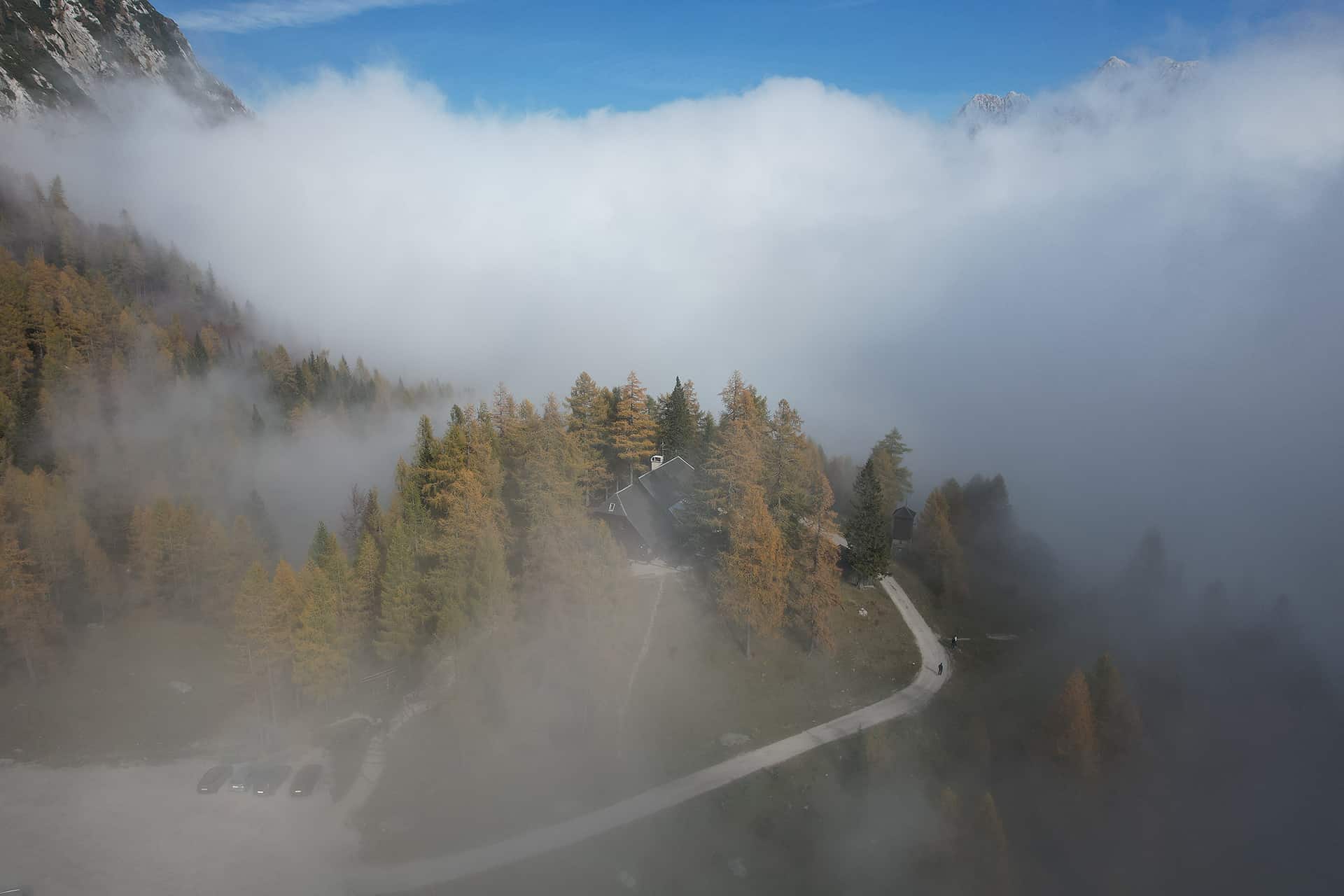
On this page
Jump to the most useful sections of this guide.
- Summer visit: parking, hiking and rooms
- Changes in Mountain Life and Hiking Culture
- Find Erjavčeva Hut on the map
- Erjavčeva hut
- Modernisation and Infrastructure
- Environmental Sustainability
- Safety and Emergency Preparedness
- Cultural and Recreational Role
- Sustainability and Long-Term Viability
- Related mountain and travel guides
Quick summary
The most useful points from this guide before you continue.
Stay on Vršič Pass
Stay at Erjavčeva koča on Vršič Pass
Erjavčeva koča is a mountain hut at Vršič Pass, between Kranjska Gora, Trenta, the Soča Valley and the Julian Alps. It is a practical base for hikers, road-trippers, cyclists and guests who want to stay close to the mountain pass.
- Direct location on the Vršič Pass road
- Good base for hiking, scenic drives and Julian Alps day trips
- Useful for guests visiting Kranjska Gora, Trenta, Soča Valley and Triglav National Park
- Food, mountain-hut atmosphere and practical local information in one place
This block is designed for independent guests and self-service booking. It does not imply a price guarantee or live availability.
Before you book your stay
Vršič Pass is a high mountain location, so it is worth checking a few practical details before you travel. This helps you plan your arrival, parking, hiking day and overnight stay more easily.
Access and road conditions
The Vršič road can be affected by season, weather and traffic. Before travelling, check current access information and plan enough time for the mountain road.
Parking
Parking rules and availability around Vršič can change by season and operator. Check the latest parking information before arrival, especially in busy periods.
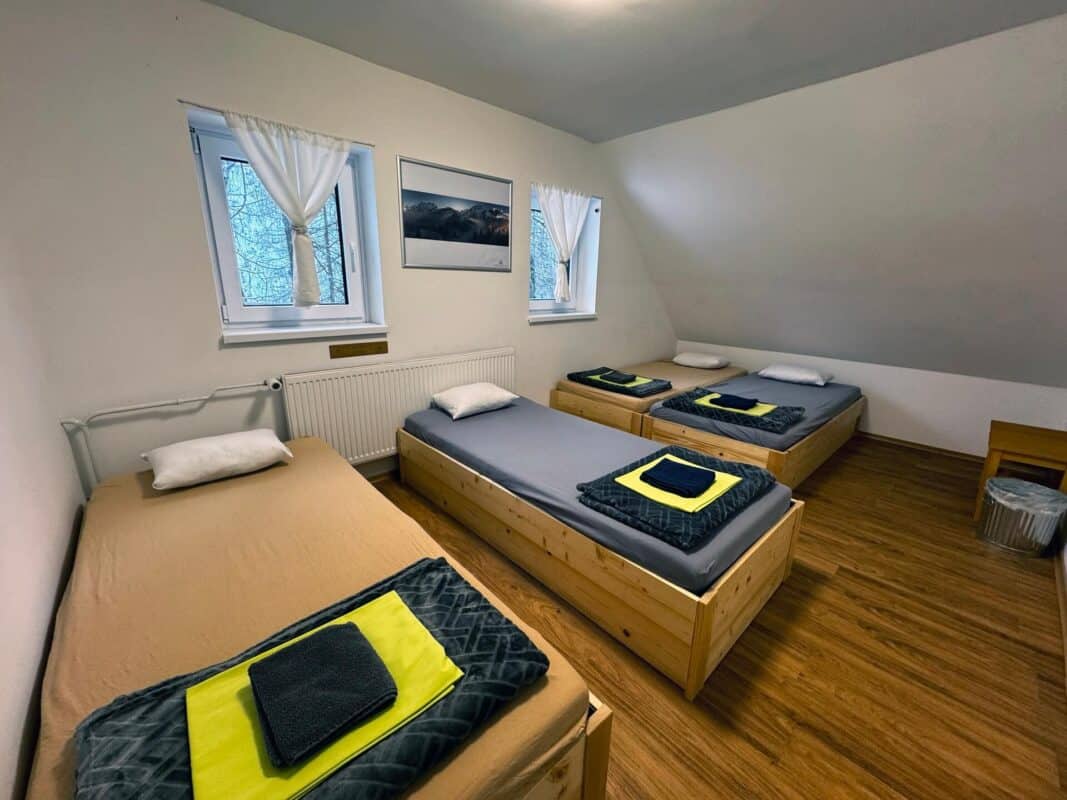
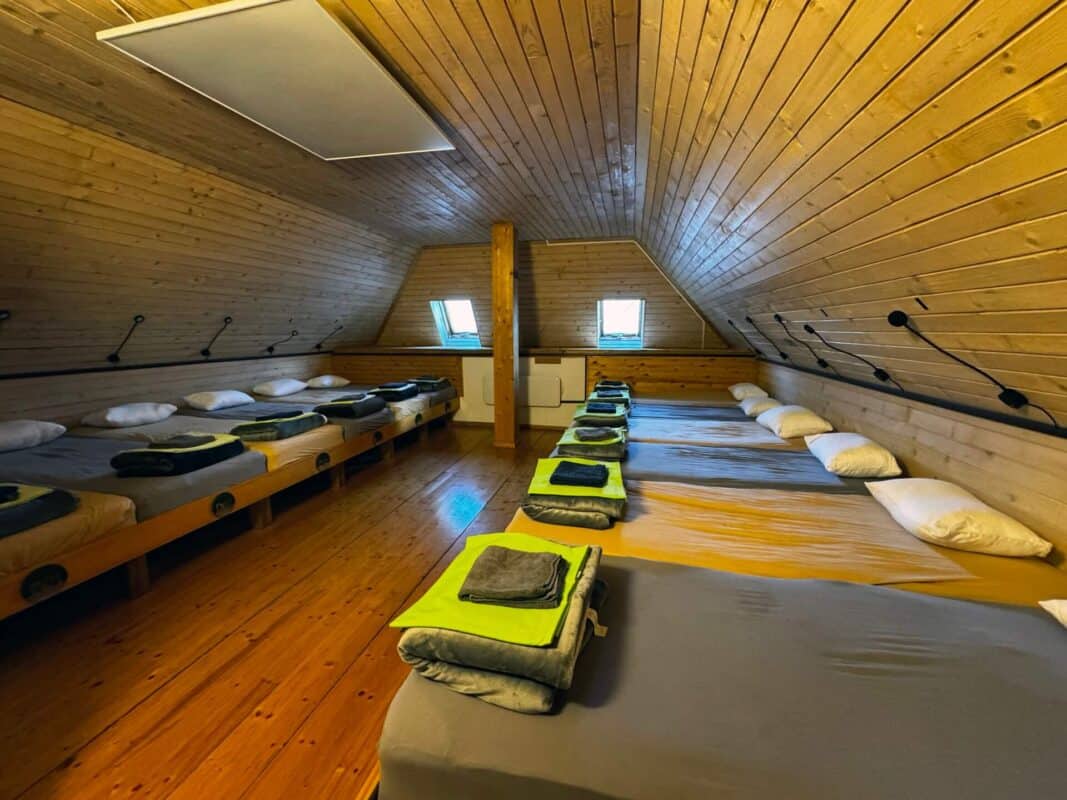
Rooms and overnight stay
If you plan to stay overnight, check room availability in advance. This is especially important during the hiking season, weekends and good-weather periods.
Food, opening hours and groups
Opening times may vary outside the main summer season or by arrangement with groups. Contact the hut directly for the latest information before making fixed plans.
Self-service planning for your stay at Vršič Pass
- Check room and availability options first.
- Read access, parking and arrival notes before travelling.
- Arrive with your own plan for Vršič, Kranjska Gora, Trenta and the Soča Valley.
- Use contact only for special cases, not for information already explained on the page.
A trusted mountain hut at Vršič Pass
Erjavčeva koča has been part of the Vršič mountain pass experience for generations. Guests use it as a practical alpine base for hiking, cycling, scenic drives, visits to Kranjska Gora and trips toward Trenta and the Soča Valley.
Ready to stay on Vršič Pass? Check the verified accommodation page and reserve directly with the hut.
Erjavčeva koča is a mountain hut at 1525 m, not a hotel or hostel. Come for nature, simple shelter and the rhythm of the mountains.
- ✓Simple mountain-hut comfort and shared house rules
- ✓Direct access to Vršič, trails and Triglav National Park
- ✓Quiet evenings, early starts and weather-dependent mountain life
- ✓Food, shelter and practical help from the hut team
- ×Unlimited parking or guaranteed road access in every weather
- ×Perfect silence during busy mountain days
- ×A valley resort experience
- ×Luxury hotel rooms or city-hotel services
Before you book your stay at Vršič Pass
Use the booking information on this page to decide independently. Booking platforms can help with comparison, but your reservation should be clear before you travel. Contact is only for special cases.
Direct booking is best for
- Checking rooms and availability
- Reading access, parking and arrival details
- Booking when your dates and plan are clear
- Special questions only for groups, late arrival or winter conditions
Booking platforms are useful for
- Comparing accommodation options
- Reading platform-specific reviews
- Managing platform bookings in one account
- Using platform filters and policies
No price guarantee is implied. This block encourages self-service planning and reduces unnecessary calls or emails.
What happens after you check availability?
Checking availability is the first booking step, not a request for personal travel planning. Read the arrival, access and parking information before you book. Contact is only for special cases.
- Choose the room or stay option that fits your plan.
- Complete the booking request with your travel date and arrival plan.
- Before travelling, read the access, parking and seasonal notes; use contact only for groups, late arrival or winter conditions.
CTA clicks are measured as intent signals. This block is designed for self-service reservations and to reduce unnecessary calls or emails.
Summer visit: parking, hiking and rooms
In summer, Vrsic is busy with hikers, cyclists and scenic-road visitors. Plan arrival time, parking, weather protection and overnight questions before you leave.
- Arrive early when parking demand is high.
- Check weather before longer hikes.
- For overnight stays, contact the hut directly before travel.
This block is a practical planning reminder, not a live availability statement.
This guide is prepared from the perspective of Erjavčeva koča, a mountain hut on Vršič Pass. Use it together with current weather, road conditions and responsible behaviour in Triglav National Park.
The times of mountain huts are changing. Even this post was written with computer AI whether we like it or not. So new times arrived…
Changes in Mountain Life and Hiking Culture
In recent years, life in the mountains and the habits of hikers have changed significantly. As information, equipment, and access to mountain destinations have become more widely available, the number of people visiting the mountains has also increased. This has brought both positive and negative effects for nature and for the overall mountain experience.
Among the positive changes are greater awareness of nature protection, better-maintained mountain trails, improved mountain hut organisation, and the wider spread of hiking culture. More visitors now understand the importance of preserving the natural environment, behaving responsibly, taking their litter back with them, and helping keep mountain paths and alpine landscapes clean.
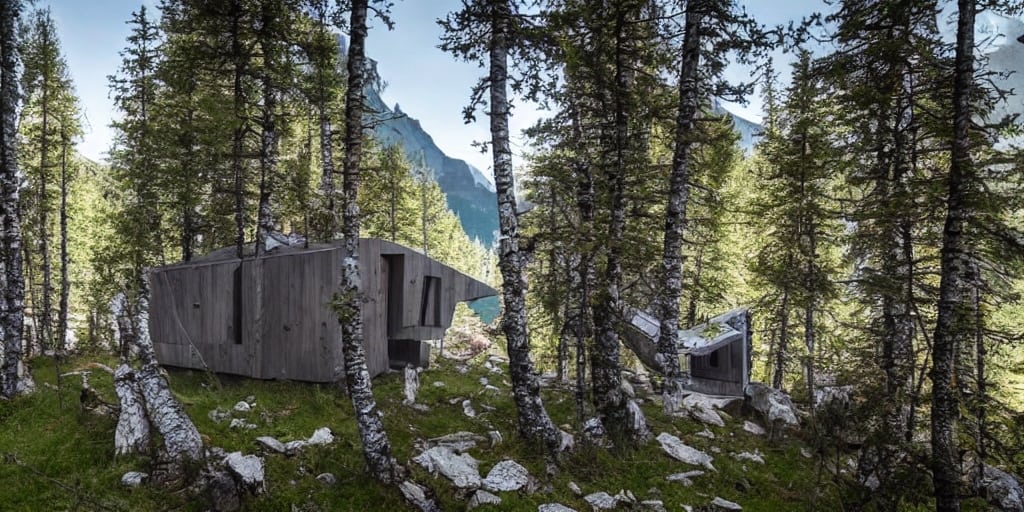
The Times of Mountain Huts Are Changing
At the same time, modern mountain tourism also brings challenges. Popular trails and mountain huts are often overcrowded, especially during the main season, which can reduce the sense of peace and authenticity that many visitors seek in the mountains. Higher visitor numbers can also increase the risk of accidents and place additional pressure on the natural environment.
New travel habits and social media trends have also changed the way many people experience the mountains. The search for perfect photos, “Instagram” locations, and extreme experiences can sometimes encourage unsafe behaviour and lead people to ignore mountain rules, weather conditions, or their own physical limits.
Mountain life is changing, and with it the culture of visiting mountain huts and alpine trails. That is why it is more important than ever to encourage responsible behaviour, respect for nature, and consideration for other hikers. Only in this way can we preserve an authentic, safe, and sustainable mountain experience for future generations.
Find Erjavčeva Hut on the map


Mountain Huts in Slovenia: Tradition, Restoration, and Community Significance
Mountain Huts in Slovenia: Tradition, Restoration, and Community Significance
Dec
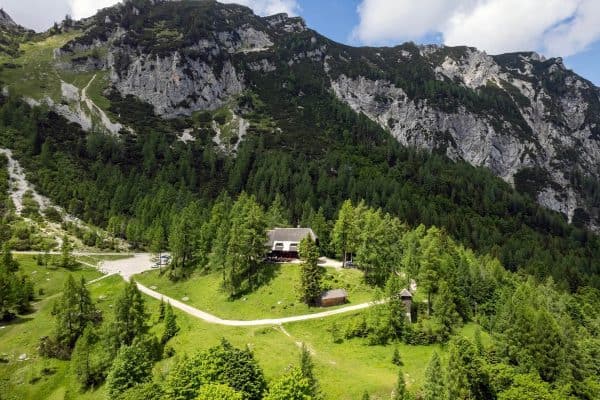

How mountain huts became Slovenian
How German mountain huts became Slovenian and how their names were changed.
Feb
Mountain huts, also known as alpine huts or mountain shelters, have changed significantly over time. As visitor expectations, safety standards, technology, and environmental awareness have evolved, mountain huts have also adapted to new needs and new ways of experiencing the mountains.
The Times of Mountain Huts Are Changing
Modernisation and Infrastructure
Improved facilities: Many mountain huts now offer better comfort than in the past, including electricity, running water, heating, and indoor toilets. These improvements make stays more comfortable while still preserving the character of the mountain hut experience.
Better accessibility: Improved roads, trails, and transport options have made many mountain huts easier to reach, opening them to a wider range of visitors, including families and less experienced hikers.
Technology integration: Some mountain huts now use solar energy, online booking systems, weather information tools, and other modern solutions that help both guests and hut staff.
Environmental Sustainability
Green initiatives: Many mountain huts are introducing more environmentally friendly practices, such as better waste management, recycling, and the use of sustainable materials.
Off-grid solutions: To reduce dependence on traditional energy sources, some huts use solar panels, rainwater collection, and other self-sufficient systems that are better suited to the mountain environment.
Safety and Emergency Preparedness
Improved safety measures: Mountain huts now place greater emphasis on safety, including communication systems, first-aid equipment, and trained staff who can respond more effectively in emergencies.
Weather information: Access to accurate weather updates has become increasingly important, helping visitors make better decisions before and during mountain trips.
Cultural and Recreational Role
Cultural value: Mountain huts are not only places to sleep and eat. Many also help preserve local traditions, mountain heritage, and knowledge of the alpine world.
More activities: Today, mountain huts often support a wider range of experiences, including guided hikes, educational events, mountaineering courses, and outdoor programmes for different ability levels.
Sustainability and Long-Term Viability
Changing business models: To remain viable in the long term, many mountain huts are adapting their services, working more closely with tourism partners, and promoting local products and regional identity.
Community engagement: Cooperation with local communities has become increasingly important. Mountain huts can contribute to local life, support local economies, and help build a more sustainable future for mountain tourism.
Overall, mountain huts continue to evolve to meet changing expectations while preserving their essential role in the mountains. They remain places of shelter, rest, culture, and connection with nature, while increasingly focusing on safety, sustainability, and responsible tourism.
Trips and Hikes around the hut
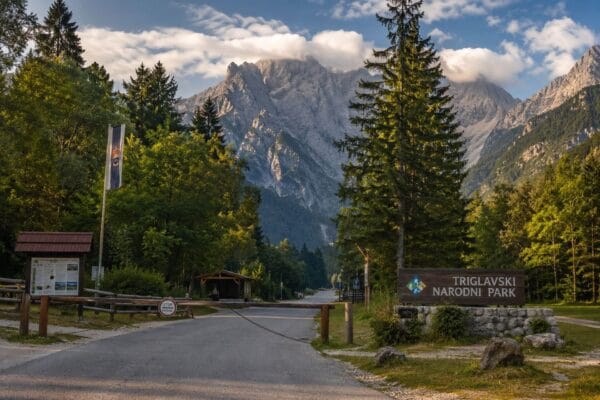
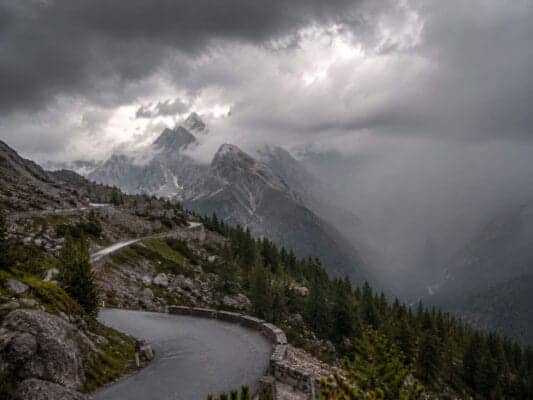
Why visit a moutain hut?
We are open year-round
We are located in the heart of Triglav National Park
Book a stay in the iconic, first-built mountain hut on the Vršič Pass

Erjavčeva mountain hut is open year-round. Reserve your stay and spend some time in the natural paradise of Triglav National Park (UNESCO), near Kranjska Gora, on the Vršič mountain pass in the heart of the park.
Reserve your stayRelated mountain and travel guides
Choose the next verified guide for planning routes, parking, overnight stays and places near Vršič Pass.
- Slovenia – Julian Alps – Kranjska Gora – Vršič Pass – Erjavčeva koča Mountain Hut — travel guide
- 10 Things to Do in Kranjska Gora and Around — travel guide
- Tamar valley — travel guide
- High mountain lakes — travel guide
- Accommodation in Mountain hut Vršič Kranjska Gora Slovenia — travel guide
- Hanzova pot on Prisojnik — travel guide
Plan your visit from Erjavčeva koča
Useful guides, practical information and accommodation options for Vršič Pass, Triglav National Park and the Julian Alps.
Book your stay at Erjavčeva koča
Ready to stay on Vršič Pass? Check the verified accommodation page and reserve directly with the hut.
Road, parking and arrival FAQ
Use these answers before relying on a route, booking time or parking plan.
Is this a live Vršič road status?
No. The site can guide you to access information, but current road conditions should be checked before departure.
What should I plan before driving up?
Plan the approach, parking, arrival time and a backup option for mountain weather or seasonal traffic.
Can I use the hut as a base for nearby routes?
Yes, but match your route, daylight and return plan before you start.
Where should I go next on the site?
Use the verified access, parking or accommodation links shown on this page.