

 Slovenščina
 Bosanski
 Hrvatski
 Čeština
 Dansk
Dansk Dutch
Dutch Suomi
Suomi Français
 Deutsch
 Magyar
 Italiano
 Polski
 српски
 Slovenčina
 Español
 Svenska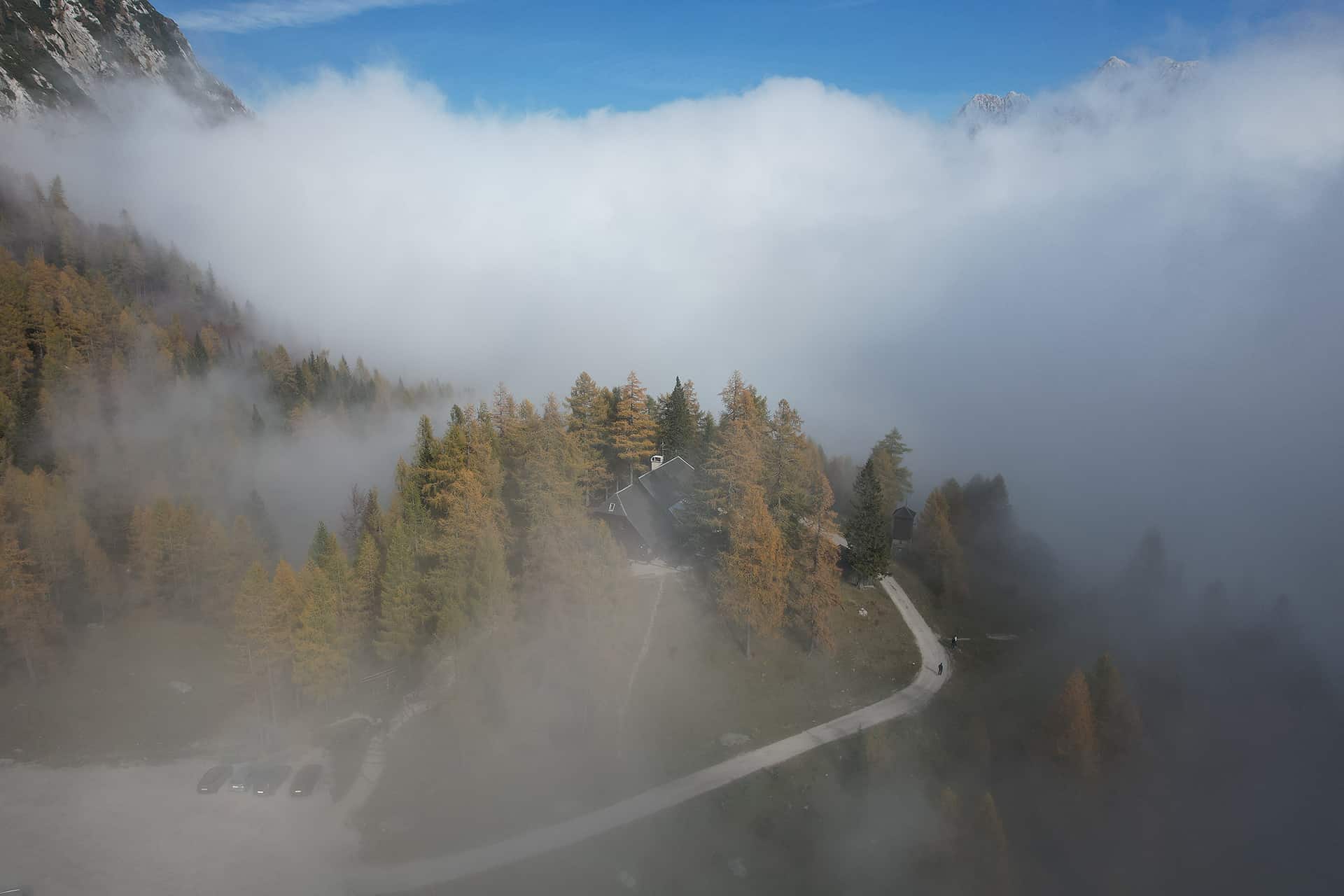
On this page
Jump to the most useful sections of this guide.
Quick summary
The most useful points from this guide before you continue.
Stay on Vršič Pass
Stay at Erjavčeva koča on Vršič Pass
Erjavčeva koča is a mountain hut at Vršič Pass, between Kranjska Gora, Trenta, the Soča Valley and the Julian Alps. It is a practical base for hikers, road-trippers, cyclists and guests who want to stay close to the mountain pass.
- Direct location on the Vršič Pass road
- Good base for hiking, scenic drives and Julian Alps day trips
- Useful for guests visiting Kranjska Gora, Trenta, Soča Valley and Triglav National Park
- Food, mountain-hut atmosphere and practical local information in one place
This block is designed for independent guests and self-service booking. It does not imply a price guarantee or live availability.
Before you book your stay
Vršič Pass is a high mountain location, so it is worth checking a few practical details before you travel. This helps you plan your arrival, parking, hiking day and overnight stay more easily.
Access and road conditions
The Vršič road can be affected by season, weather and traffic. Before travelling, check current access information and plan enough time for the mountain road.
Parking
Parking rules and availability around Vršič can change by season and operator. Check the latest parking information before arrival, especially in busy periods.
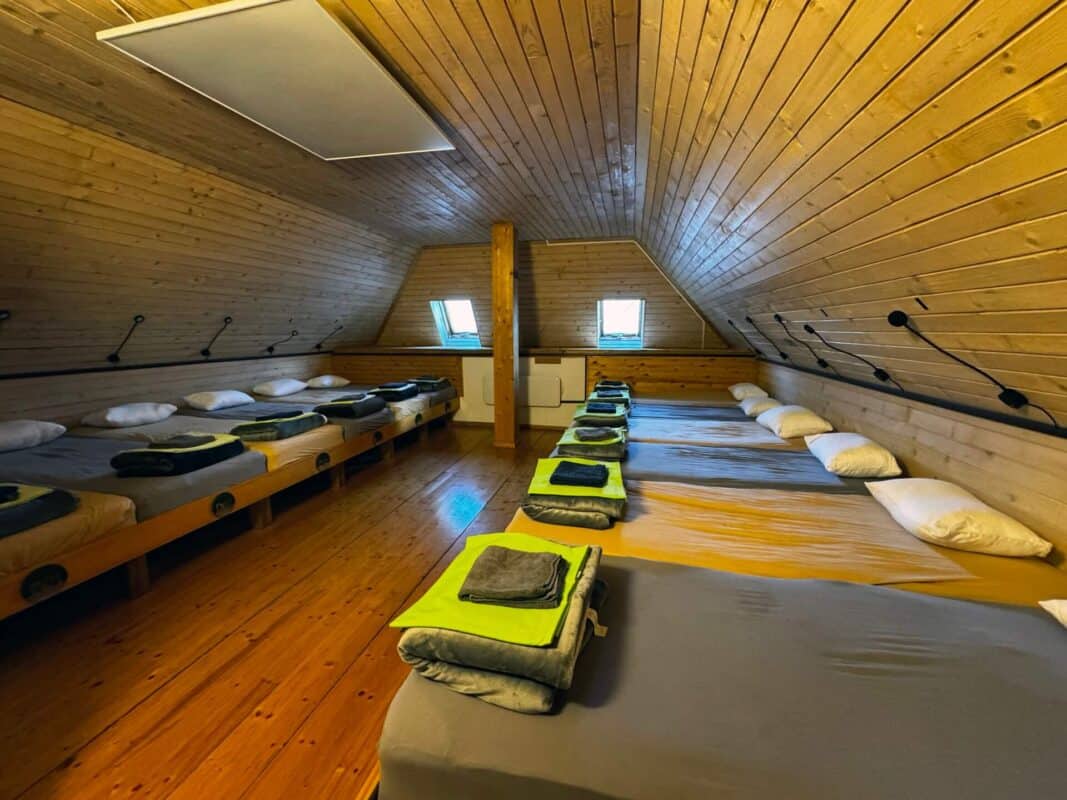
Rooms and overnight stay
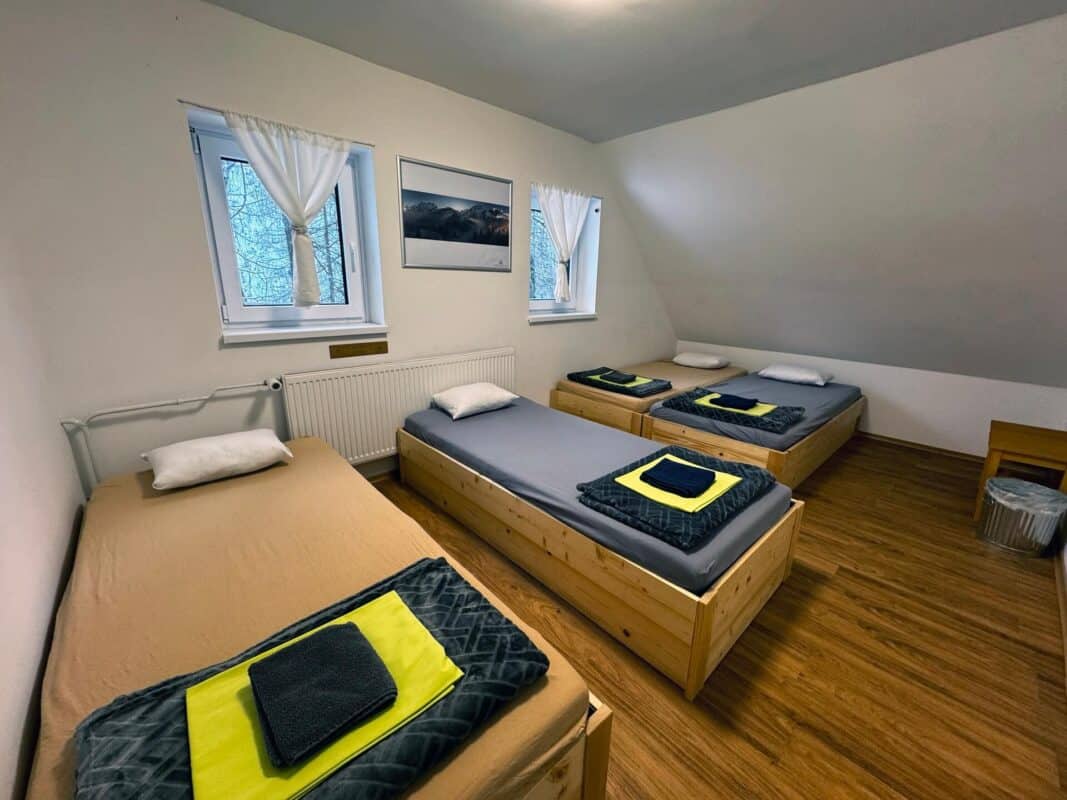
If you plan to stay overnight, check room availability in advance. This is especially important during the hiking season, weekends and good-weather periods.
Food, opening hours and groups
Opening times may vary outside the main summer season or by arrangement with groups. Contact the hut directly for the latest information before making fixed plans.
Self-service planning for your stay at Vršič Pass
- Check room and availability options first.
- Read access, parking and arrival notes before travelling.
- Arrive with your own plan for Vršič, Kranjska Gora, Trenta and the Soča Valley.
- Use contact only for special cases, not for information already explained on the page.
A trusted mountain hut at Vršič Pass
Erjavčeva koča has been part of the Vršič mountain pass experience for generations. Guests use it as a practical alpine base for hiking, cycling, scenic drives, visits to Kranjska Gora and trips toward Trenta and the Soča Valley.
Ready to stay on Vršič Pass? Check the verified accommodation page and reserve directly with the hut.
Erjavčeva koča is a mountain hut at 1525 m, not a hotel or hostel. Come for nature, simple shelter and the rhythm of the mountains.
- ✓Direct access to Vršič, trails and Triglav National Park
- ✓Quiet evenings, early starts and weather-dependent mountain life
- ✓Food, shelter and practical help from the hut team
- ✓Unspoiled nature, mountain views and fresh alpine air
- ×Perfect silence during busy mountain days
- ×A valley resort experience
- ×Luxury hotel rooms or city-hotel services
- ×Hostel-style nightlife or loud late evenings
Before you book your stay at Vršič Pass
Use the booking information on this page to decide independently. Booking platforms can help with comparison, but your reservation should be clear before you travel. Contact is only for special cases.
Direct booking is best for
- Checking rooms and availability
- Reading access, parking and arrival details
- Booking when your dates and plan are clear
- Special questions only for groups, late arrival or winter conditions
Booking platforms are useful for
- Comparing accommodation options
- Reading platform-specific reviews
- Managing platform bookings in one account
- Using platform filters and policies
No price guarantee is implied. This block encourages self-service planning and reduces unnecessary calls or emails.
What happens after you check availability?
Checking availability is the first booking step, not a request for personal travel planning. Read the arrival, access and parking information before you book. Contact is only for special cases.
- Choose the room or stay option that fits your plan.
- Complete the booking request with your travel date and arrival plan.
- Before travelling, read the access, parking and seasonal notes; use contact only for groups, late arrival or winter conditions.
CTA clicks are measured as intent signals. This block is designed for self-service reservations and to reduce unnecessary calls or emails.
Summer visit: parking, hiking and rooms
In summer, Vrsic is busy with hikers, cyclists and scenic-road visitors. Plan arrival time, parking, weather protection and overnight questions before you leave.
- Arrive early when parking demand is high.
- Check weather before longer hikes.
- For overnight stays, contact the hut directly before travel.
This block is a practical planning reminder, not a live availability statement.
This guide is prepared from the perspective of Erjavčeva koča, a mountain hut on Vršič Pass. Use it together with current weather, road conditions and responsible behaviour in Triglav National Park.
Triglav National Park – UNESCO Biosphere Reserve
Celebrating a Century of Triglav National Park: A UNESCO Biosphere Reserve
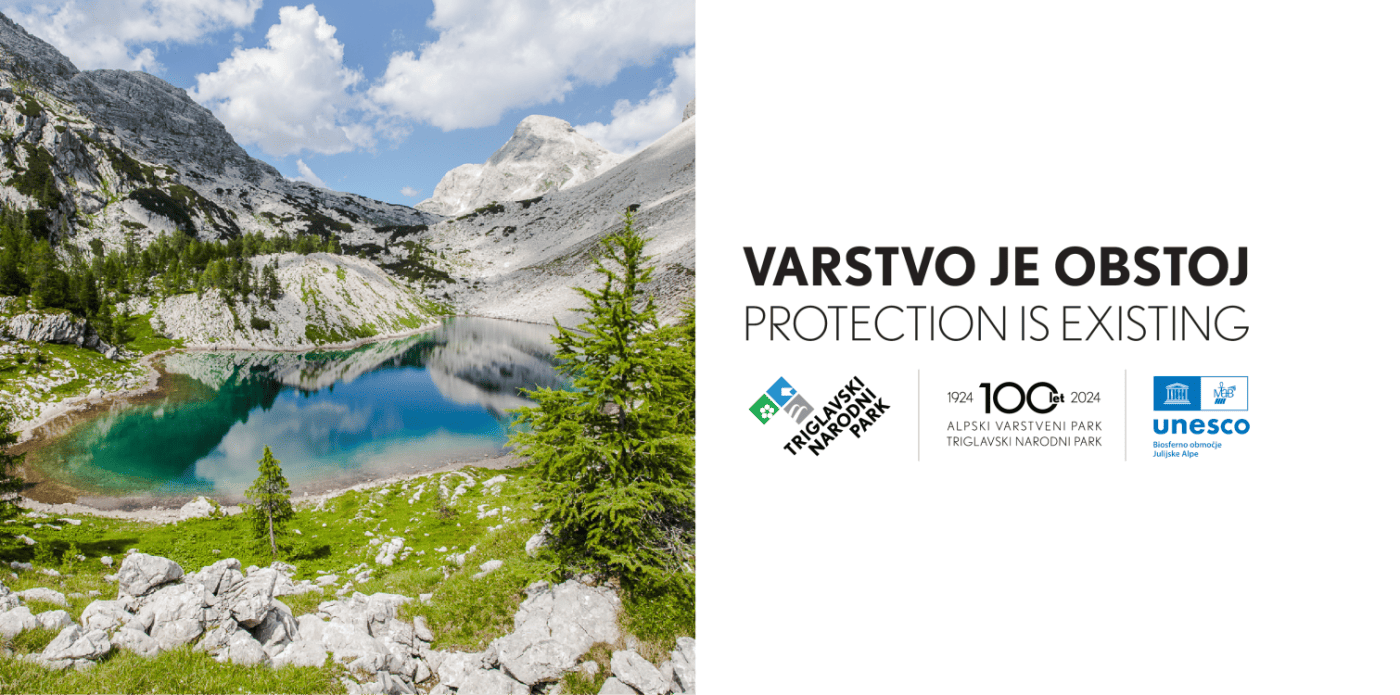
Triglav National Park, nestled in the heart of the majestic Julian Alps in Slovenia, is a testament to the enduring beauty and importance of protected natural areas. Its protection began in 1924 with the Alpine Conservation Park in the Triglav Lakes Valley, laying the foundation for one of Europe’s oldest protected alpine landscapes.
As Triglav National Park marks more than a century of nature conservation, it remains a beacon of hope and responsibility. It reminds us of the vital role that protected areas play in preserving biodiversity, cultural heritage and the delicate relationship between people and nature.
Triglav National Park and UNESCO Recognition
Triglav National Park is named after Mount Triglav, Slovenia’s highest peak and one of the country’s most important national symbols. The first protected area was created in 1924 as the Alpine Conservation Park in the Triglav Lakes Valley. In 1961, the area was declared Triglav National Park, and in 1981 the Triglav National Park Act established the park in its modern legal form.
The park is not a UNESCO World Heritage Site, but it is part of the Julian Alps Biosphere Reserve, designated by UNESCO in 2003 under the Man and the Biosphere Programme. This recognition highlights the outstanding natural, ecological and cultural value of the Julian Alps and Triglav National Park.
Natural Wonders
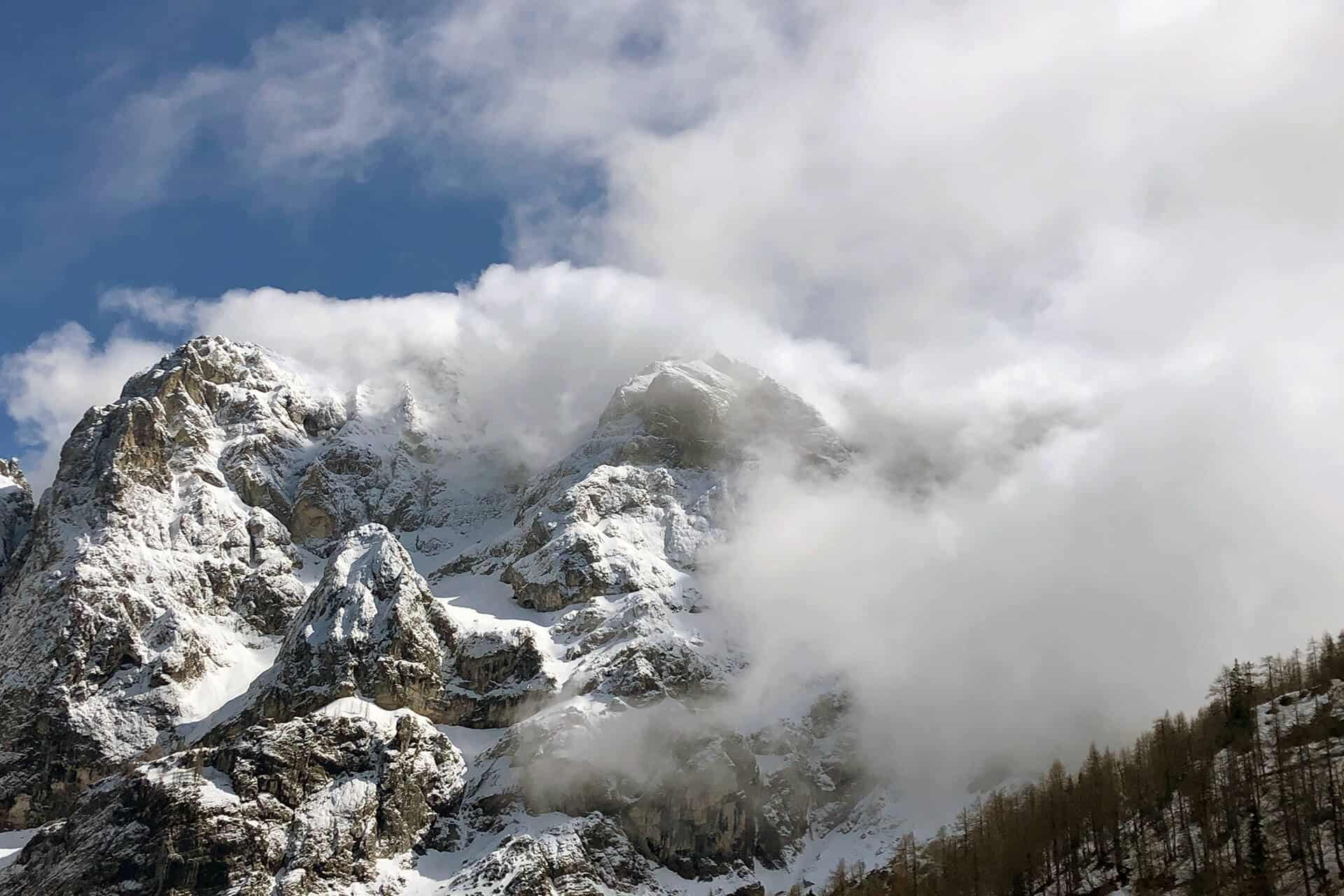
Triglav National Park is renowned for its breathtaking landscapes, diverse ecosystems and rich biodiversity. From towering mountain peaks and pristine alpine meadows to deep river valleys and crystal-clear lakes, the park’s natural wonders inspire awe in hikers, travellers and nature lovers.
At the heart of the park lies Mount Triglav itself, a symbol of national pride and resilience. Rising 2,864 metres above sea level, Triglav is Slovenia’s highest mountain and a sacred symbol deeply connected with the country’s cultural identity.
Triglav National Park – UNESCO Biosphere Reserve
Triglav National Park – UNESCO Biosphere Reserve
Biodiversity Hotspot
Triglav National Park is a biodiversity hotspot and home to a remarkable variety of plant and animal species. Its diverse habitats support rare and protected wildlife, including Alpine ibex, chamois, golden eagle, brown bear, wolf and lynx.
The park’s forests, meadows, wetlands, rivers and streams provide vital habitats for countless species. The wider Julian Alps area is also an important alpine corridor for large carnivores and birds, which is one of the reasons why the area has special value within the UNESCO Biosphere Reserve.
Cultural Heritage of Triglav National Park
Triglav National Park is not only a sanctuary for nature but also a living landscape of human history and culture. Its valleys, pastures and alpine villages reflect centuries of human interaction with the mountain environment, from pastoral traditions and seasonal grazing to mountain farming, local crafts and alpine settlement.
The park’s cultural heritage is preserved through traditional architecture, local festivals, folk music, regional food and artisanal crafts passed down through generations. Visitors can experience this rich connection between people and nature while exploring the valleys, villages and mountain routes of the Julian Alps.
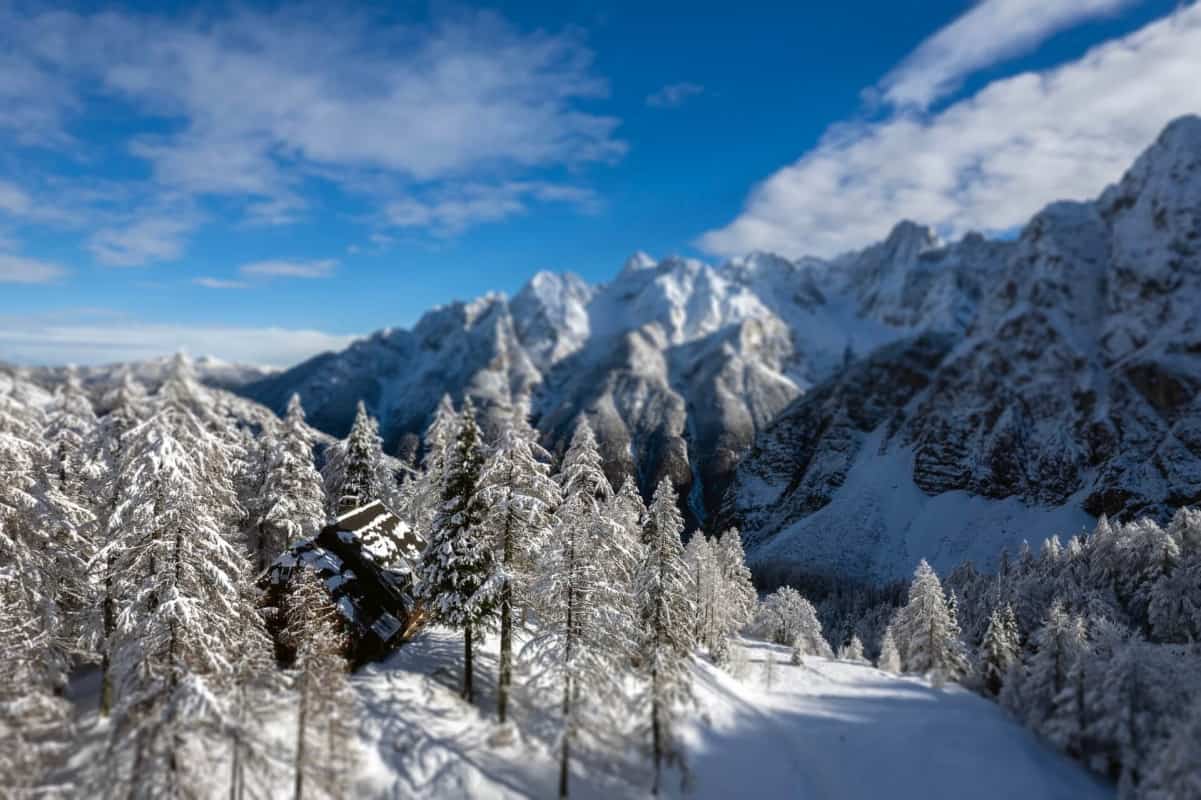
Perfect location of Erjavčeva mountain hut at 1,525 metres since 1901
Triglav National Park and the UNESCO Biosphere Reserve
In 2003, the Slovenian Julian Alps, including Triglav National Park, were designated as the Julian Alps Biosphere Reserve by UNESCO. This recognition confirms the area’s exceptional natural and cultural significance and supports the balance between conservation, sustainable development and local communities.
The UNESCO Biosphere Reserve status strengthens the park’s role as a model for responsible land management, sustainable tourism and biodiversity protection. It also highlights the importance of preserving the Julian Alps as a living landscape where nature, culture and local communities remain closely connected.
Conservation Challenges
Despite its protected status, Triglav National Park faces important conservation challenges in the 21st century. Climate change, habitat pressure, invasive species, increasing visitor numbers and human disturbance can all affect the park’s fragile alpine ecosystems.
Sustainable tourism, environmental education, visitor awareness and community involvement are essential for addressing these challenges and ensuring the long-term health and resilience of Triglav National Park.
Looking Ahead
As Triglav National Park moves beyond its centenary, it stands at a crossroads of conservation and stewardship. The next century will bring new opportunities and challenges, but the park’s enduring spirit of protection and responsibility will continue to guide its future.
By embracing innovation, fostering collaboration and honouring its legacy of preservation, Triglav National Park will continue to inspire generations. It reminds us of the beauty, fragility and importance of the natural world.
In celebrating more than 100 years of Triglav National Park, we honour its achievements and the values of conservation, diversity and harmony that define this cherished alpine sanctuary. As visitors and stewards of the mountains, we share the responsibility to protect and respect Triglav National Park for future generations.
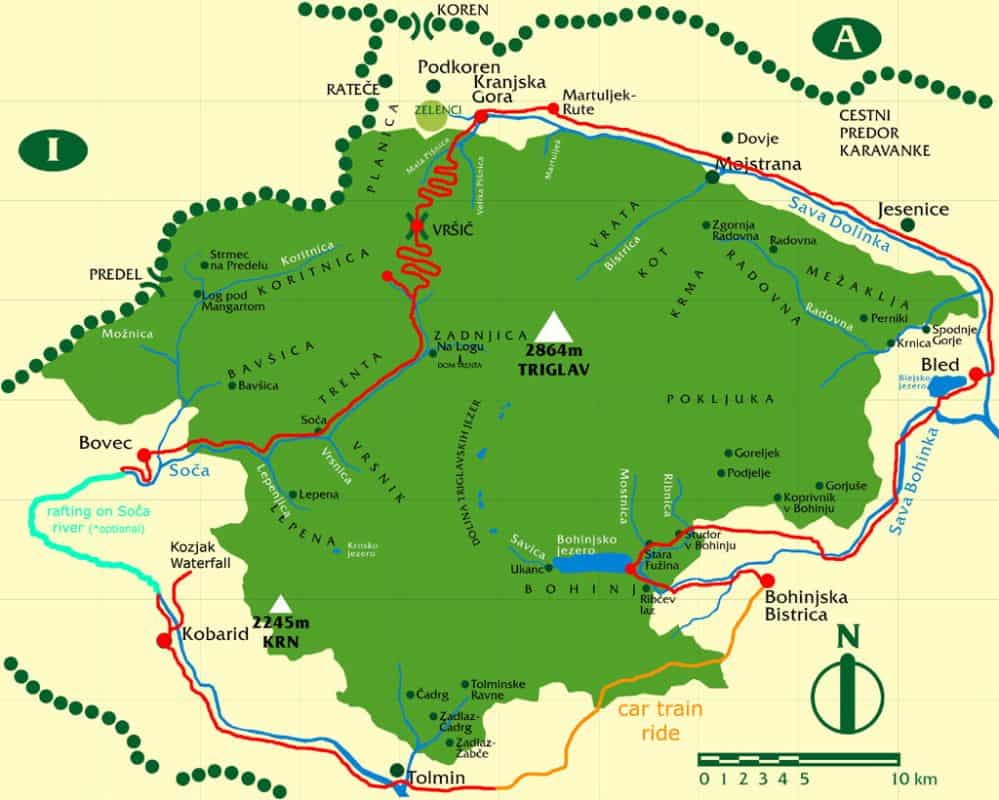
Triglav National Park – UNESCO Biosphere Reserve
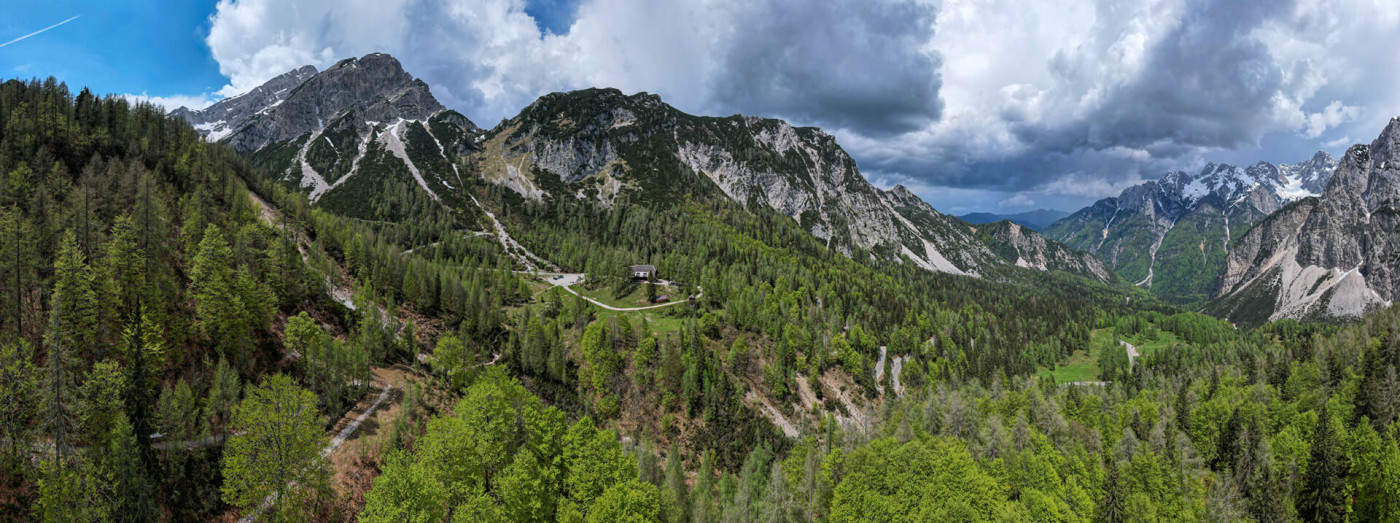
Perfect location of Erjavčeva mountain hut at 1,525 metres since 1901, near Vršič Pass, Kranjska Gora and the Soča Valley
Trips and Hikes around the hut
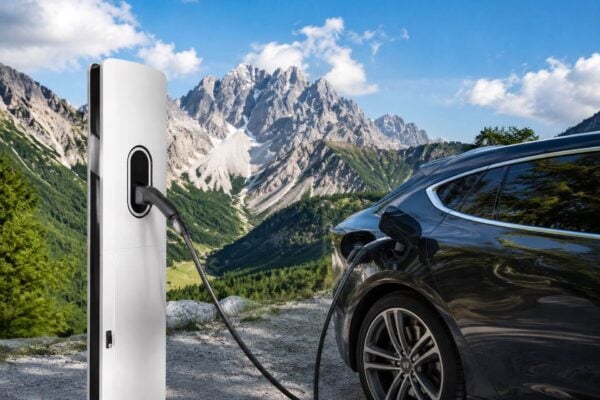
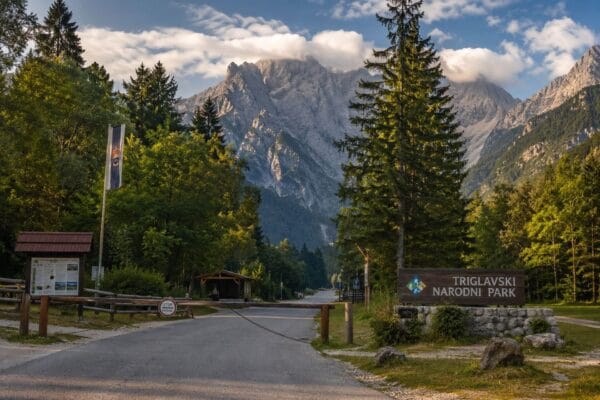
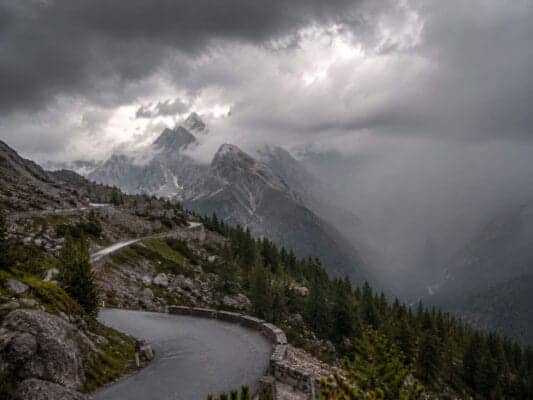
Why visit a moutain hut?
We are open year-round
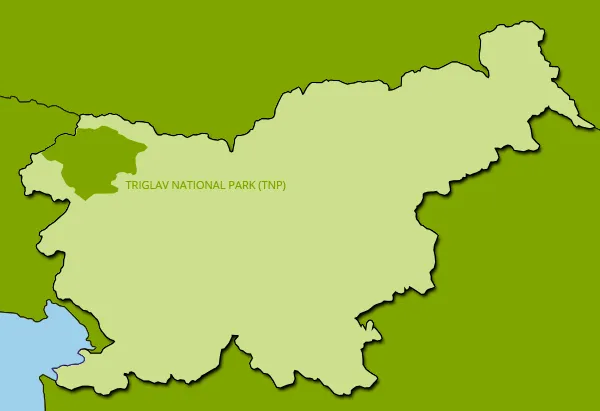
We are located in the heart of Triglav National Park
Book a stay in the iconic, first-built mountain hut on the Vršič Pass

Erjavčeva mountain hut is open year-round. Reserve your stay and spend some time in the natural paradise of Triglav National Park (UNESCO), near Kranjska Gora, on the Vršič mountain pass in the heart of the park.
Reserve your stayRelated mountain and travel guides
Choose the next verified guide for planning routes, parking, overnight stays and places near Vršič Pass.
- Slovenia – Julian Alps – Kranjska Gora – Vršič Pass – Erjavčeva koča Mountain Hut — travel guide
- 10 Things to Do in Kranjska Gora and Around — travel guide
- Tamar valley — travel guide
- High mountain lakes — travel guide
- Accommodation in Mountain hut Vršič Kranjska Gora Slovenia — travel guide
- Hanzova pot on Prisojnik — travel guide
Plan your visit from Erjavčeva koča
Useful guides, practical information and accommodation options for Vršič Pass, Triglav National Park and the Julian Alps.
Book your stay at Erjavčeva koča
Ready to stay on Vršič Pass? Check the verified accommodation page and reserve directly with the hut.
Road, parking and arrival FAQ
Use these answers before relying on a route, booking time or parking plan.
Is this a live Vršič road status?
No. The site can guide you to access information, but current road conditions should be checked before departure.
What should I plan before driving up?
Plan the approach, parking, arrival time and a backup option for mountain weather or seasonal traffic.
Can I use the hut as a base for nearby routes?
Yes, but match your route, daylight and return plan before you start.
Where should I go next on the site?
Use the verified access, parking or accommodation links shown on this page.