


 Slovenščina
 Bosanski
 Hrvatski
 Čeština
 Dansk
Dansk Dutch
Dutch Suomi
Suomi Français
 Deutsch
 Magyar
 Italiano
 Polski
 српски
 Slovenčina
 Español
 Svenska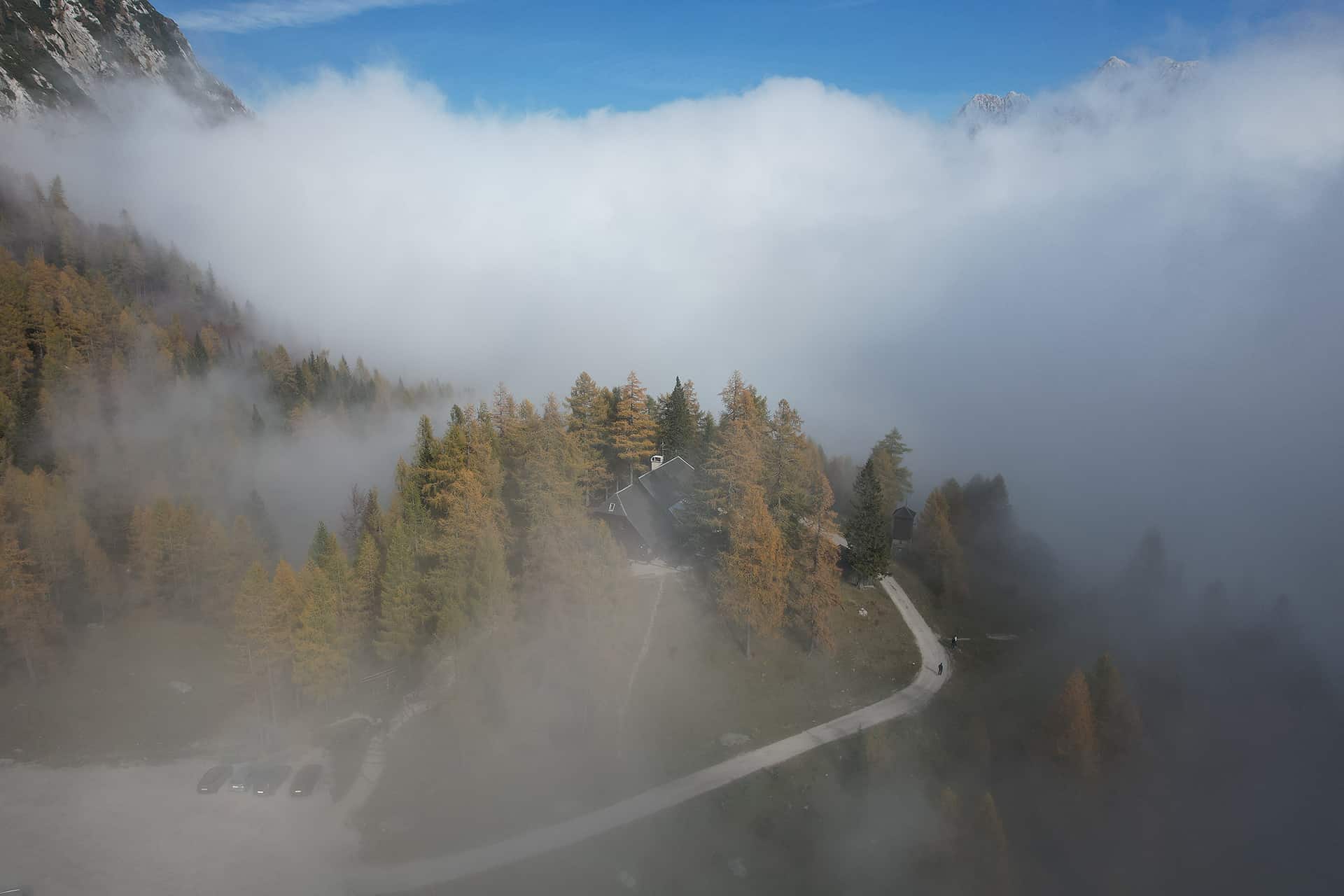

On this page
Jump to the most useful sections of this guide.
- Summer visit: parking, hiking and rooms
- Must see attractions in the park
- Triglav National Park – Home of Erjavčeva mountain hut
- The Landscape’s Canvas
- Biodiversity and Ecosystems
- Cultural Heritage and Human Imprint
- Recreation and Adventure
- Water Wonders
- Challenges of Conservation
- Find Erjavčeva Hut on the map
- Erjavčeva hut
- Triglav National Park: A Legacy
Quick summary
The most useful points from this guide before you continue.
Stay on Vršič Pass
Stay at Erjavčeva koča on Vršič Pass
Erjavčeva koča is a mountain hut at Vršič Pass, between Kranjska Gora, Trenta, the Soča Valley and the Julian Alps. It is a practical base for hikers, road-trippers, cyclists and guests who want to stay close to the mountain pass.
- Direct location on the Vršič Pass road
- Good base for hiking, scenic drives and Julian Alps day trips
- Useful for guests visiting Kranjska Gora, Trenta, Soča Valley and Triglav National Park
- Food, mountain-hut atmosphere and practical local information in one place
This block is designed for independent guests and self-service booking. It does not imply a price guarantee or live availability.
Before you book your stay
Vršič Pass is a high mountain location, so it is worth checking a few practical details before you travel. This helps you plan your arrival, parking, hiking day and overnight stay more easily.
Access and road conditions
The Vršič road can be affected by season, weather and traffic. Before travelling, check current access information and plan enough time for the mountain road.
Parking
Parking rules and availability around Vršič can change by season and operator. Check the latest parking information before arrival, especially in busy periods.
Rooms and overnight stay
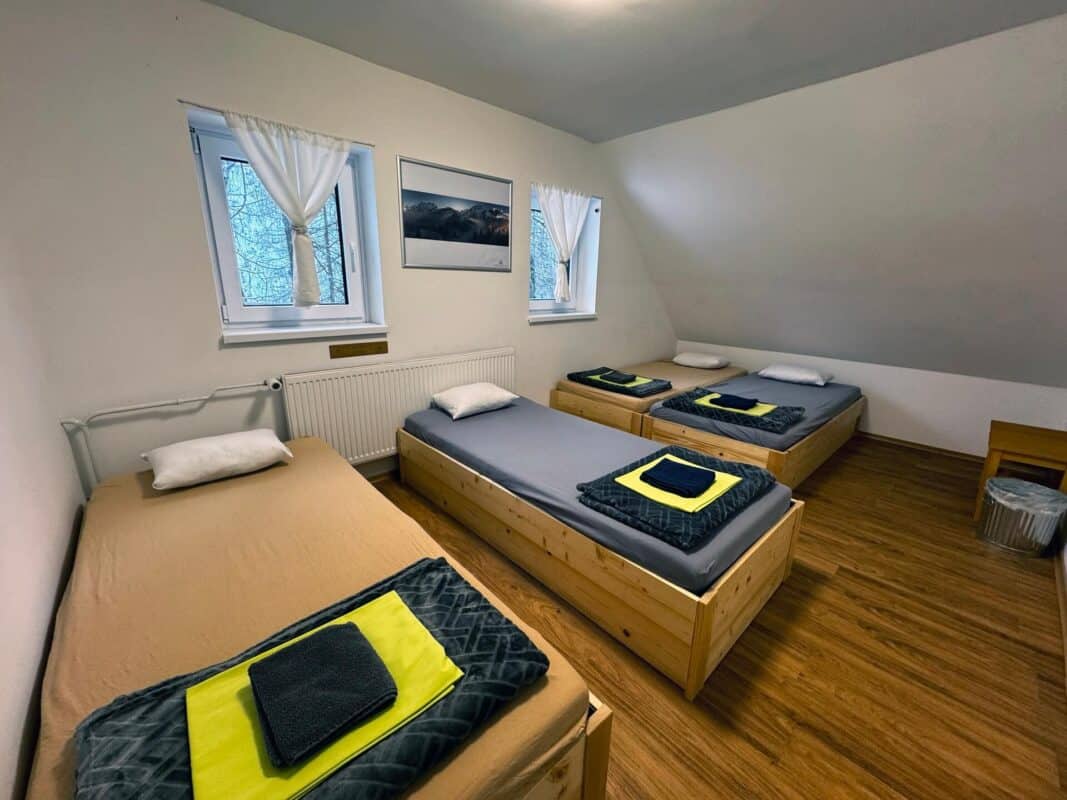
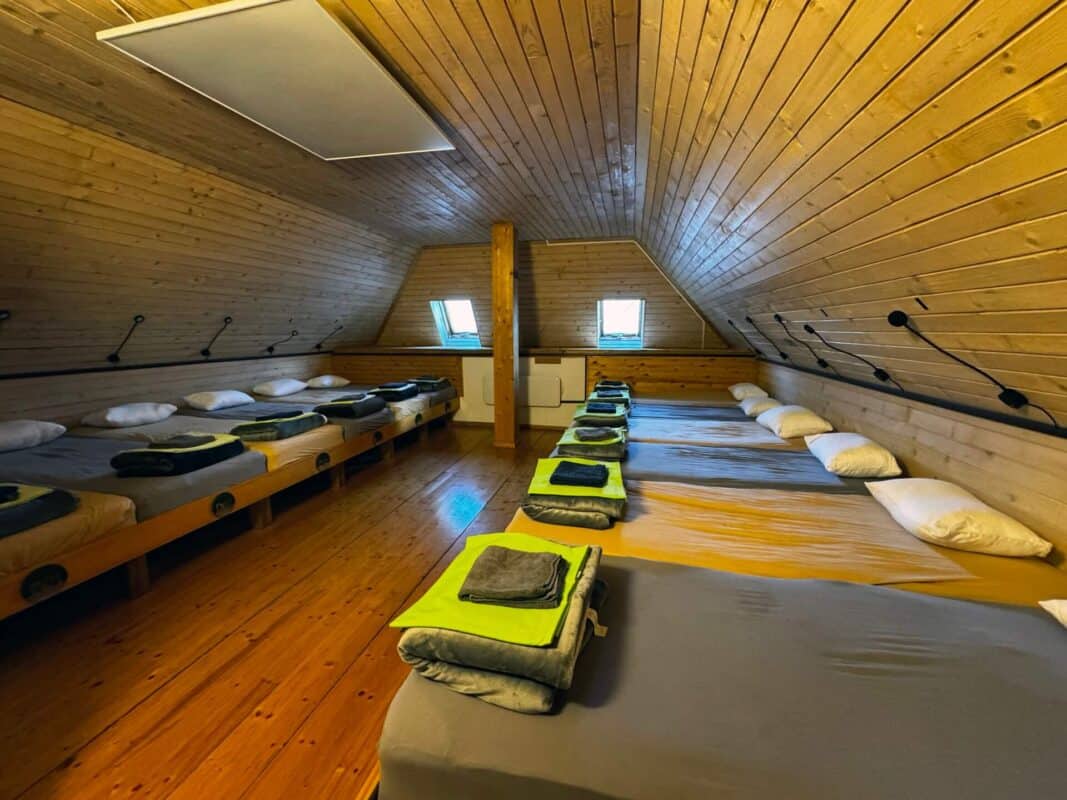
If you plan to stay overnight, check room availability in advance. This is especially important during the hiking season, weekends and good-weather periods.
Food, opening hours and groups
Opening times may vary outside the main summer season or by arrangement with groups. Contact the hut directly for the latest information before making fixed plans.
Self-service planning for your stay at Vršič Pass
- Check room and availability options first.
- Read access, parking and arrival notes before travelling.
- Arrive with your own plan for Vršič, Kranjska Gora, Trenta and the Soča Valley.
- Use contact only for special cases, not for information already explained on the page.
A trusted mountain hut at Vršič Pass
Erjavčeva koča has been part of the Vršič mountain pass experience for generations. Guests use it as a practical alpine base for hiking, cycling, scenic drives, visits to Kranjska Gora and trips toward Trenta and the Soča Valley.
Ready to stay on Vršič Pass? Check the verified accommodation page and reserve directly with the hut.
Erjavčeva koča is a mountain hut at 1525 m, not a hotel or hostel. Come for nature, simple shelter and the rhythm of the mountains.
- ✓Unspoiled nature, mountain views and fresh alpine air
- ✓A place to rest before or after your mountain trip
- ✓Simple mountain-hut comfort and shared house rules
- ✓Direct access to Vršič, trails and Triglav National Park
- ×Hostel-style nightlife or loud late evenings
- ×Private bathrooms in every room
- ×Unlimited parking or guaranteed road access in every weather
- ×Perfect silence during busy mountain days
Before you book your stay at Vršič Pass
Use the booking information on this page to decide independently. Booking platforms can help with comparison, but your reservation should be clear before you travel. Contact is only for special cases.
Direct booking is best for
- Checking rooms and availability
- Reading access, parking and arrival details
- Booking when your dates and plan are clear
- Special questions only for groups, late arrival or winter conditions
Booking platforms are useful for
- Comparing accommodation options
- Reading platform-specific reviews
- Managing platform bookings in one account
- Using platform filters and policies
No price guarantee is implied. This block encourages self-service planning and reduces unnecessary calls or emails.
What happens after you check availability?
Checking availability is the first booking step, not a request for personal travel planning. Read the arrival, access and parking information before you book. Contact is only for special cases.
- Choose the room or stay option that fits your plan.
- Complete the booking request with your travel date and arrival plan.
- Before travelling, read the access, parking and seasonal notes; use contact only for groups, late arrival or winter conditions.
CTA clicks are measured as intent signals. This block is designed for self-service reservations and to reduce unnecessary calls or emails.
Summer visit: parking, hiking and rooms
In summer, Vrsic is busy with hikers, cyclists and scenic-road visitors. Plan arrival time, parking, weather protection and overnight questions before you leave.
- Arrive early when parking demand is high.
- Check weather before longer hikes.
- For overnight stays, contact the hut directly before travel.
This block is a practical planning reminder, not a live availability statement.
This guide is prepared from the perspective of Erjavčeva koča, a mountain hut on Vršič Pass. Use it together with current weather, road conditions and responsible behaviour in Triglav National Park.
30 Things to See in Triglav National Park
Triglav National Park, Slovenia’s only national park, encompasses the Julian Alps’ most dramatic landscapes.
Must see attractions in the park
Named after Mount Triglav, the country’s highest peak, the park is a sanctuary of Alpine beauty, offering a wide range of natural wonders and cultural landmarks. Here are 30 must-see attractions within this pristine wilderness.
30 Things to See in Triglav National Park
- Mt. Triglav: The heart of the park, this towering peak symbolises Slovenian pride and a challenge for mountaineers.
- Lake Bohinj: The largest permanent lake in Slovenia, surrounded by mountains and lush forests, perfect for swimming, boating, and hiking.
- Savica Waterfall: A stunning waterfall that cascades over 78 meters into two streams, offering picturesque views.
- Vintgar Gorge: The Radovna River carved this 1.6km gorge. It has wooden walkways, allowing an enchanting walk alongside and across the rushing water.
- Lake Bled: Although partially outside the park, this iconic lake with its island church and medieval castle is a must-visit nearby.
- The Soča River is known for its unique emerald-green waters, which offer rafting, kayaking, and fly fishing opportunities.
- The Tolmin Gorges: The lowest entry point to the park, featuring stunning gorges, thermal springs, and the Bear’s Head, a naturally occurring rock formation.
- The Seven Triglav Lakes Valley is a glacial valley with seven beautiful lakes, offering some of the most scenic hikes in the park.
- Pokljuka Plateau: This vast plateau covered with spruce forests is known for its peat bogs and as a starting point for numerous hiking trails.
- The Julian Alps Biosphere Reserve is part of UNESCO’s Man and the Biosphere Programme, highlighting the area’s biodiversity.
- Aljaž Tower on Mt. Triglav: A symbol of Slovenian alpinism, this metal shelter offers refuge to climbers and hikers.
- Kozjak Waterfall: Hidden in a cave-like amphitheatre, this waterfall is a magical sight within the park.
- Mojstrana’s Slovenian Alpine Museum: Learn about Slovenia’s mountaineering history and the significance of the Alps.
- The Peričnik Waterfall: This waterfall can be approached and seen from behind, offering a unique perspective.
- The Tamar Valley is a picturesque alpine valley popular starting point for hikes in the Julian Alps.
- The Pogacnikov Dom Hut: Situated on a scenic plateau, it’s a key spot for hikers exploring the higher areas.
- The Triglav North Face: A daunting limestone wall offering some of the most challenging climbs in the Alps.
- Zelenci Springs is a nature reserve known for its stunning emerald-green lake, which is the source of the Sava Dolinka River.
- Kranjska Gora: A famous resort town offering year-round outdoor sports and activities.
- Planica Nordic Centre: Famous for its ski jumps and the annual ski flying week.
- The Russian Chapel on the Vršič Pass: Built by Russian POWs during WWI, serves as a memorial and a piece of history.
- Lepena Valley: Offers serene beauty, with trails leading to the Krn Lake and other scenic spots.
- Slemenova Špica: Known for its panoramic views of the surrounding mountains and valleys.
- The Korita Mostnice: A series of gorges and potholes in Bohinj offering scenic walks.
- The Triglav Lakes Lodge is a mountain hut in the heart of the Seven Lakes Valley, ideal for overnight stays.
- The Source of the Soča River: A powerful karst spring that is the beginning of the emerald Soča River.
- The Dom Planika Hut: Located beneath Mt. Triglav, providing a stopover for climbers aiming for the summit.
- The Trenta Valley is known for its natural beauty, traditional architecture, and the Trenta Museum.
- The Mala Mojstrovka Via Ferrata: Offers thrilling climbs with spectacular views for adventurous hikers.
- The Triglavski Dom at Kredarica is Slovenia’s highest mountain hut. It is located just below the summit of Mt. Triglav and serves as a critical base for summit attempts.

Why Visit the Vršič Pass in Slovenia Near Kranjska Gora in Winter
One of the strongest reasons to visit Vršič Pass in winter is the deep sense...
Dec

Lepena
Lepena is a tranquil, picturesque valley in Slovenia, a hidden gem nestled within the embrace...
Jan

Mala Mojstrovka
Mala Mojstrovka, Vršič mountain pass. Due to its relatively high starting altitude is among the...
Feb

30 Things to See in Triglav National Park
Triglav National Park – Home of Erjavčeva mountain hut
30 Things to See in Triglav National Park
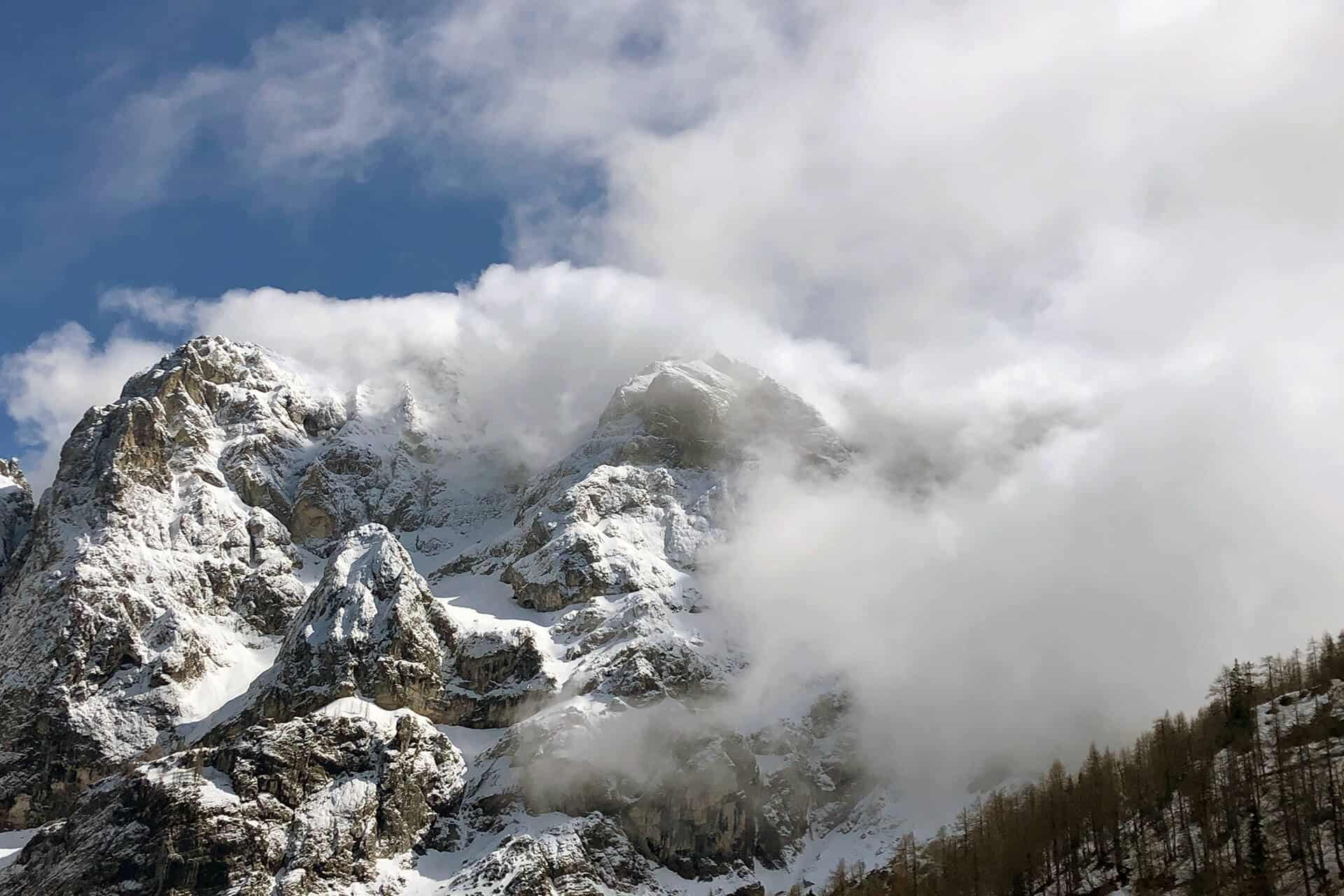
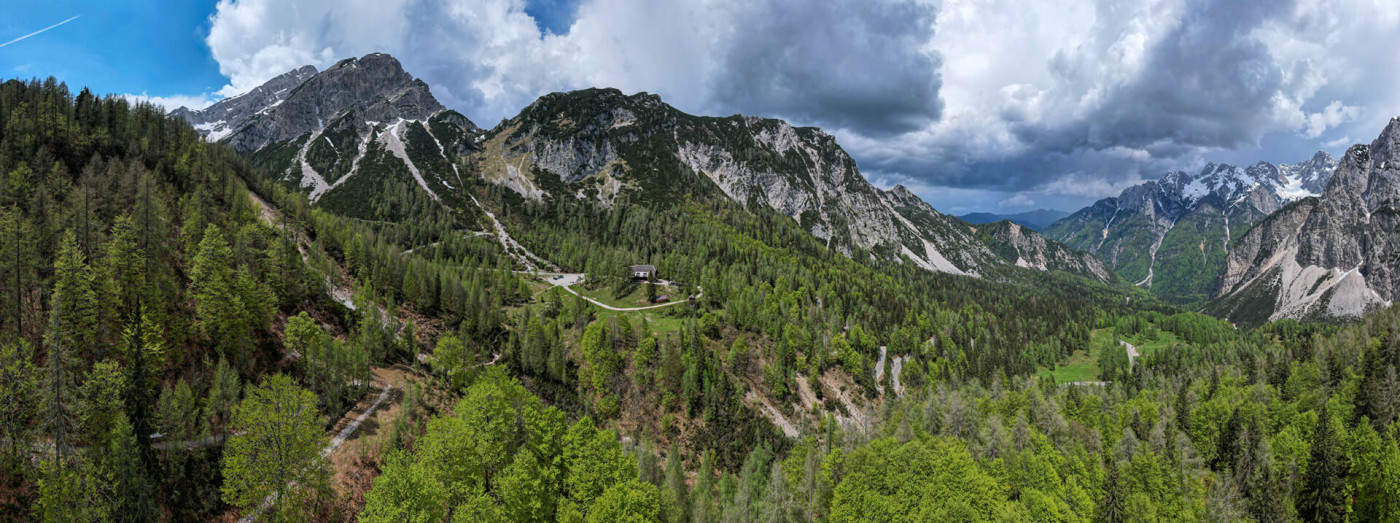
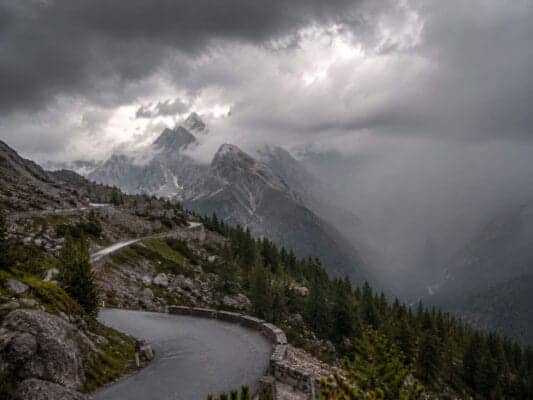
Triglav National Park, the jewel in the crown of Slovenia’s natural wonders, is a testament to its commitment to preserving its rich ecological, cultural, and historical tapestry. Encompassing the majority of the Julian Alps, the park is named after the majestic Mt. Triglav, a symbol of Slovenian identity and unity, rising 2.864 meters into the sky. This sprawling protected area, covering approximately 840 square kilometres, offers a diverse and pristine landscape that captivates the imagination and soothes the soul.
30 Things to See in Triglav National Park
The Landscape’s Canvas
The park’s terrain is a masterpiece sculpted by nature’s hand, showcasing a stunning array of geological formations and landscapes. Its topography varies from towering mountain peaks and rugged cliffs to tranquil valleys, serene lakes, and vibrant meadows. The geological diversity is a window into the Earth’s past, featuring karst phenomena, glacial valleys, and limestone pavements that tell tales of millions of years of natural history.
Biodiversity and Ecosystems
Within this protected enclave, ecosystems thrive in harmony, hosting an array of flora and fauna that is remarkable for its variety and rarity. The park is a haven for endemic species, including the Julian Poppy and Triglav Hawk’s-beard, found nowhere else in the world. Its forests are home to brown bears, wolves, and lynxes, symbolising the wilderness preserved here. Birds of prey, such as the golden eagle, soar above, while the crystal-clear rivers and lakes teem with life, including the famous marble trout.
Cultural Heritage and Human Imprint
Triglav National Park is not only a natural sanctuary but also a custodian of the rich cultural heritage of the Alpine region. The human footprint in the park is minimal and carefully managed. Still, the area is dotted with traditional Alpine farms, historic settlements, and monuments that reflect the enduring human spirit and the adaptation of communities to the mountain environment. The park’s cultural landscape is shaped by centuries of pastoralism, forestry, and alpine agriculture, which have left a mosaic of pastures, hay meadows, and traditional architecture.
Recreation and Adventure
The park is a playground of unparalleled beauty for those seeking adventure and a deep connection with nature. Hiking trails crisscross the landscape, leading adventurers through breathtaking scenery, from the tranquil shores of Lake Bohinj to the challenging ascent of Mt. Triglav itself. The park offers many outdoor activities, including mountaineering, climbing, cycling, and paragliding in the warmer months, while winter transforms it into a haven for skiing, snowboarding, and ice climbing.

A View from the Stream Towards Erjavčeva koča
Hidden in the archives of mountaineering history lies another precious black and white postcard, captured...
Feb

Peričnik waterfall
Peričnik Waterfall, an enchanting natural wonder nestled within the pristine landscapes of Triglav National Park...
Jan
Triglav national park – UNESCO
Celebrating a Century of Triglav National Park: A UNESCO Treasure
Feb

30 Things to See in Triglav National Park
Water Wonders
The park’s aquatic landscapes are among its most cherished features. The Soča River, with its distinctive emerald hue, winds through the park, carving through canyons and creating natural pools perfect for rafting or simply admiring the clear waters. Lake Bohinj, nestled within the park, is the largest natural lake in Slovenia, offering a peaceful refuge for kayaking, swimming, or ice skating in winter. The numerous waterfalls, including Savica and Peričnik, add to the park’s mystique, drawing visitors to their cascading waters.
Challenges of Conservation
Managing a national park of Triglav’s stature involves balancing conservation and allowing people to experience its wonders. The park authorities implement strict regulations to protect the delicate ecosystems while promoting sustainable tourism practices. Education plays a crucial role in this effort, with programs designed to raise awareness among visitors about the importance of preserving natural habitats and respecting wildlife.
Find Erjavčeva Hut on the map


Triglav National Park: A Legacy
Triglav National Park is a legacy of Slovenia’s dedication to preserving its natural beauty for future generations. It is where nature’s grandeur is on full display, offering a sanctuary for biodiversity and a haven for those seeking solace or adventure in the wilderness. The park embodies the spirit of conservation, cultural preservation, and sustainable interaction with the natural world, making it a national treasure and a beacon of natural conservation worldwide.
In essence, Triglav National Park is more than just a destination; it’s a living, breathing world where nature and culture intertwine, where every peak, lake, and meadow tells a story, and where the legacy of the land is preserved for eternity. It invites all who visit to embark on a journey of discovery, to tread lightly upon its paths, and to leave with a deeper understanding of the natural world and our place within it.
Trips and Hikes around the hut
Why visit a moutain hut?
We are open year-round
We are located in the heart of Triglav National Park
Book a stay in the iconic, first-built mountain hut on the Vršič Pass

Erjavčeva mountain hut is open year-round. Reserve your stay and spend some time in the natural paradise of Triglav National Park (UNESCO), near Kranjska Gora, on the Vršič mountain pass in the heart of the park.
Reserve your stayRelated mountain and travel guides
Choose the next verified guide for planning routes, parking, overnight stays and places near Vršič Pass.
- Accommodation in Mountain hut Vršič Kranjska Gora Slovenia — travel guide
- Hanzova pot on Prisojnik — travel guide
- Running spectacle in the Julian Alps — travel guide
- Slovenia – Julian Alps – Kranjska Gora – Vršič Pass – Erjavčeva koča Mountain Hut — travel guide
- 10 Things to Do in Kranjska Gora and Around — travel guide
- Tamar valley — travel guide
Plan your visit from Erjavčeva koča
Useful guides, practical information and accommodation options for Vršič Pass, Triglav National Park and the Julian Alps.
Book your stay at Erjavčeva koča
Ready to stay on Vršič Pass? Check the verified accommodation page and reserve directly with the hut.
Road, parking and arrival FAQ
Use these answers before relying on a route, booking time or parking plan.
Is this a live Vršič road status?
No. The site can guide you to access information, but current road conditions should be checked before departure.
What should I plan before driving up?
Plan the approach, parking, arrival time and a backup option for mountain weather or seasonal traffic.
Can I use the hut as a base for nearby routes?
Yes, but match your route, daylight and return plan before you start.
Where should I go next on the site?
Use the verified access, parking or accommodation links shown on this page.