The most useful points from this guide before you continue.
Stay on Vršič Pass
Stay at Erjavčeva koča on Vršič Pass
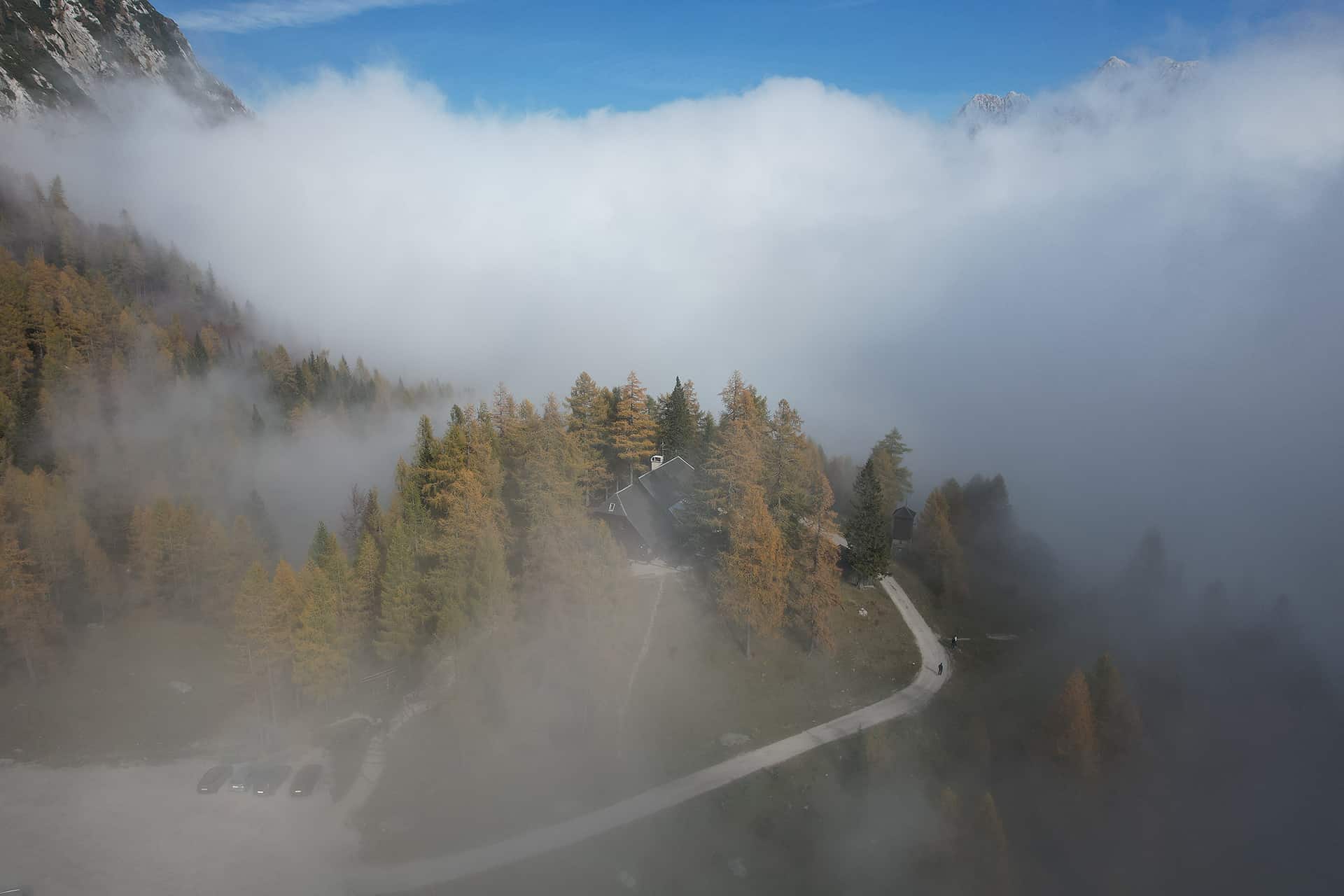
Erjavčeva koča is a mountain hut at Vršič Pass, between Kranjska Gora, Trenta, the Soča Valley and the Julian Alps. It is a practical base for hikers, road-trippers, cyclists and guests who want to stay close to the mountain pass.
Direct location on the Vršič Pass road
Good base for hiking, scenic drives and Julian Alps day trips
Useful for guests visiting Kranjska Gora, Trenta, Soča Valley and Triglav National Park
Food, mountain-hut atmosphere and practical local information in one place
This block is designed for independent guests and self-service booking. It does not imply a price guarantee or live availability.
Before you book your stay
Vršič Pass is a high mountain location, so it is worth checking a few practical details before you travel. This helps you plan your arrival, parking, hiking day and overnight stay more easily.
Access and road conditions
The Vršič road can be affected by season, weather and traffic. Before travelling, check current access information and plan enough time for the mountain road.
Parking
Parking rules and availability around Vršič can change by season and operator. Check the latest parking information before arrival, especially in busy periods.
Rooms and overnight stay
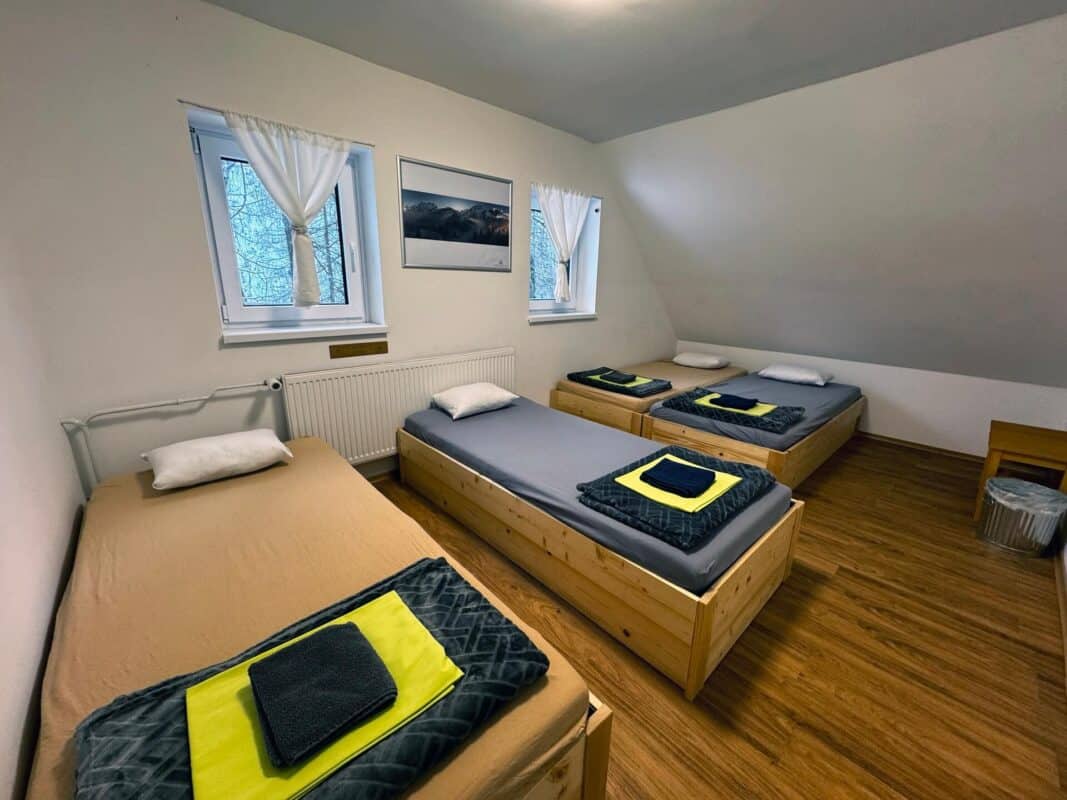
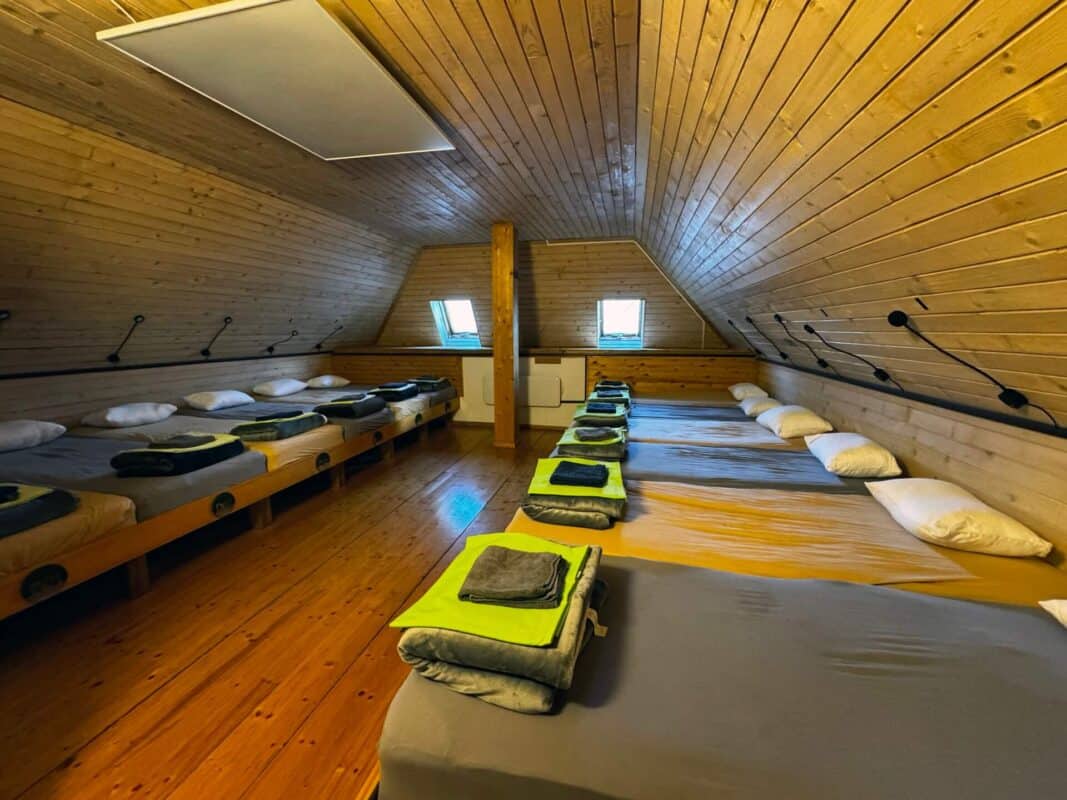
If you plan to stay overnight, check room availability in advance. This is especially important during the hiking season, weekends and good-weather periods.
Food, opening hours and groups
Opening times may vary outside the main summer season or by arrangement with groups. Contact the hut directly for the latest information before making fixed plans.
Self-service planning for your stay at Vršič Pass
Check room and availability options first.
Read access, parking and arrival notes before travelling.
Arrive with your own plan for Vršič, Kranjska Gora, Trenta and the Soča Valley.
Use contact only for special cases, not for information already explained on the page.
A trusted mountain hut at Vršič Pass
Erjavčeva koča has been part of the Vršič mountain pass experience for generations. Guests use it as a practical alpine base for hiking, cycling, scenic drives, visits to Kranjska Gora and trips toward Trenta and the Soča Valley.
Erjavčeva koča is a mountain hut at 1525 m, not a hotel or hostel. Come for nature, simple shelter and the rhythm of the mountains.
✓Expect
✓Direct access to Vršič, trails and Triglav National Park
✓Quiet evenings, early starts and weather-dependent mountain life
✓Food, shelter and practical help from the hut team
✓Unspoiled nature, mountain views and fresh alpine air
×Do not expect
×Perfect silence during busy mountain days
×A valley resort experience
×Luxury hotel rooms or city-hotel services
×Hostel-style nightlife or loud late evenings
Before you book your stay at Vršič Pass
Use the booking information on this page to decide independently. Booking platforms can help with comparison, but your reservation should be clear before you travel. Contact is only for special cases.
Direct booking is best for
Checking rooms and availability
Reading access, parking and arrival details
Booking when your dates and plan are clear
Special questions only for groups, late arrival or winter conditions
No price guarantee is implied. This block encourages self-service planning and reduces unnecessary calls or emails.
What happens after you check availability?
Checking availability is the first booking step, not a request for personal travel planning. Read the arrival, access and parking information before you book. Contact is only for special cases.
Choose the room or stay option that fits your plan.
Complete the booking request with your travel date and arrival plan.
Before travelling, read the access, parking and seasonal notes; use contact only for groups, late arrival or winter conditions.
CTA clicks are measured as intent signals. This block is designed for self-service reservations and to reduce unnecessary calls or emails.
Summer visit: parking, hiking and rooms
In summer, Vrsic is busy with hikers, cyclists and scenic-road visitors. Plan arrival time, parking, weather protection and overnight questions before you leave.
Arrive early when parking demand is high.
Check weather before longer hikes.
For overnight stays, contact the hut directly before travel.
This block is a practical planning reminder, not a live availability statement.
This guide is prepared from the perspective of Erjavčeva koča, a mountain hut on Vršič Pass. Use it together with current weather, road conditions and responsible behaviour in Triglav National Park.
Last updated: 08/02/2026Reading time: 14 min readPrepared by: Erjavčeva koča team
Above the Vršič Pass in Winter
Above the Vršič Pass in Winter
Above the Vršič Pass in Winter
Comfortably to Snow-Covered Peaks
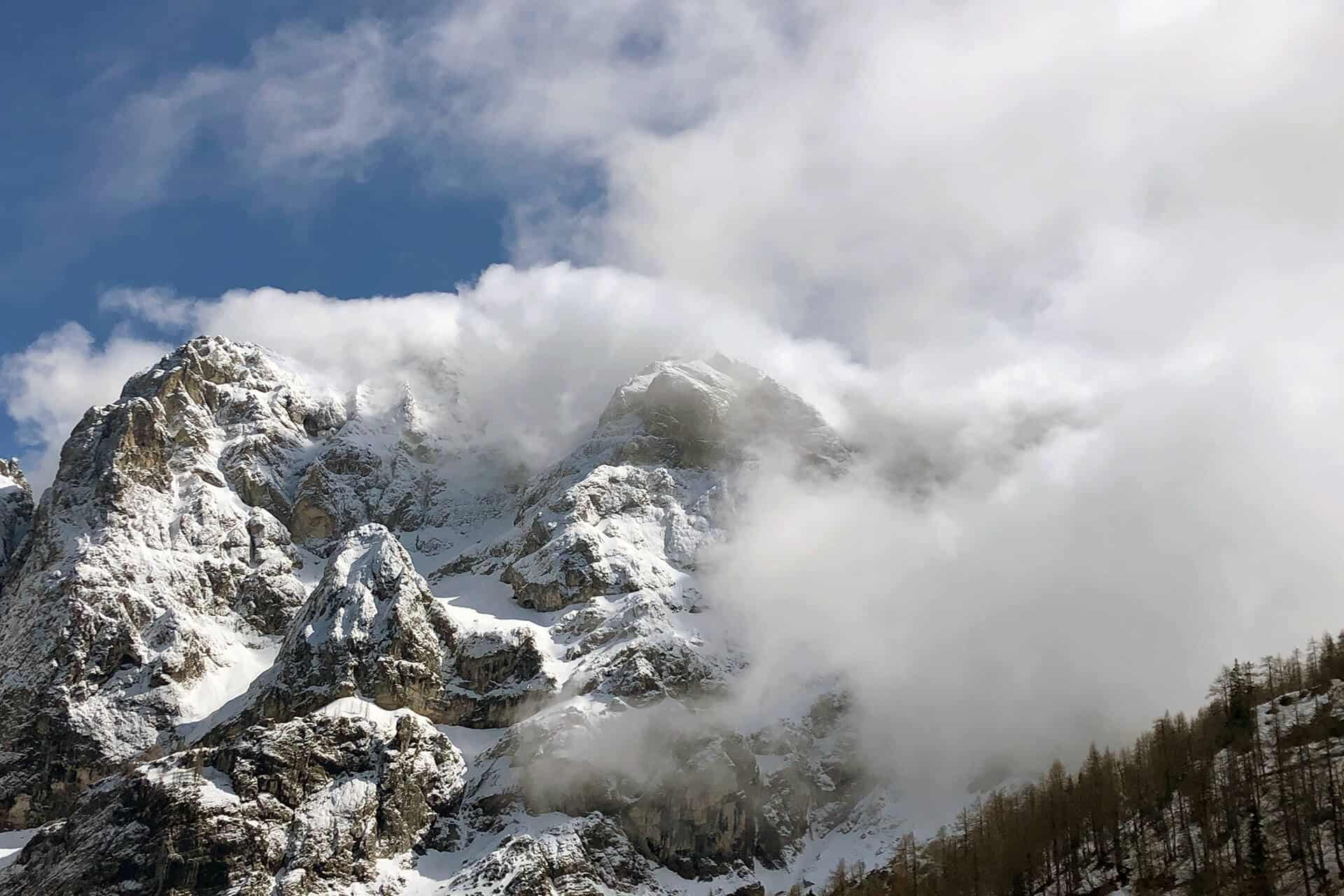
The weather that meteorologists had found no kind words for the previous evening (“tomorrow will be cloudy with precipitation”) turned out not to be so bad at all. The sun even managed to push its way through the clouds. After several days of winter marathons, Biserka and I were already a little worn out, but the good (and safe) snow conditions were something not to be missed. Early in the morning, we joked to ourselves: “Good thing it’s going to snow.” But nothing fell. A gentle, still slightly sleepy voice of the announcer declared at half past five in the morning: “Kredarica – clear!”
Above the Vršič Pass in Winter
Above the Vršič Pass in Winter
Just over an hour later, Prisojnik rose out of the fog, followed by the other surrounding peaks. We quickly made our way toward Nad Šitom glava and climbed one of the steep snow-filled gullies to Mala Mojstrovka. Since it was still early and the weather had not yet broken, we continued along the wall above Planica to Zadnja Mojstrovka. “On to Travnik as well?” we asked each other with a knowing glance. The decision was made for us by a strengthening south-westerly wind that brought the promised deterioration from the Primorska side. So back down into the valley—or rather to Vršič, which that year was miraculously passable almost the entire winter.
You have probably already figured out what our highest mountain pass can be used for. On fine winter days, the slopes above Vršič are certainly not deserted. The ploughed road to the threshold of the high mountains offers, even in winter, opportunities for undertaking serious tours that in most cases are almost half as long as if one were to start all the way down in the valley. Nevertheless, avalanche conditions must be monitored carefully, and one must be properly equipped and experienced.
Overview of the Area
The old passage between the Upper Sava Valley of Gorenjska and the Primorska Trenta was placed on the European map by the tragic events of the First World War. The construction of the road and all accompanying structures left a deep mark on the steep slopes along the watershed between the Soča and the Sava Dolinka rivers.
Even today, ruins remind us of the carnage of more than a century ago, while some buildings now serve more peaceful purposes, having been converted into mountain huts.
If we look at a map of Slovenia—ideally a relief map—we can see that the backbone of the eastern Julian Alps resembles a reversed letter S (Ƨ). The Vršič Pass lies at the top of its upper “belly.” To the left, a ridge stretches toward Jalovec (2645 m) and Mangart (2679 m), encompassing the Mojstrovke peaks (Mala, 2332 m; Velika, 2366 m; and Zadnja Mojstrovka, 2354 m), Travnik (2379 m), and Šit (2305 m). Beyond the pass, the “belly” begins again with nearby Prisojnik (2547 m) and its neighbour Razor (2601 m).
In addition to the main watershed, another ridge is important: descending from the Mojstrovke and Nad Šitom glava (2087 m) over Robičje (Prednje, 1941 m, and Zadnje Robičje, 1930 m) and Kumlehov (Kumlehova glava, 1788 m; Veliki Kumleh, 1664 m) toward Kranjska Gora, it separates the valleys of Mala and Suha Pišnica.
Above the Vršič Pass in Winter
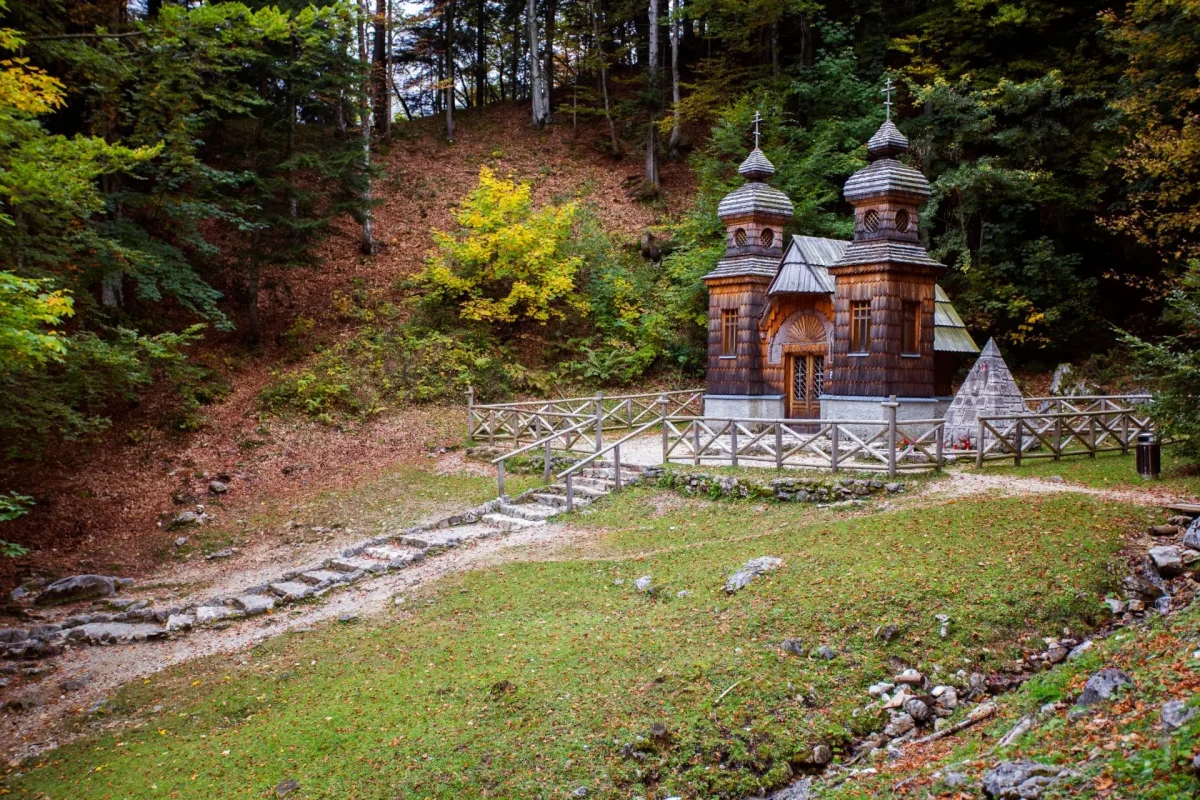
The Russian Chapel
During the First World War, Russian prisoners of war built the road over the Vršič Pass under impossible conditions, enabling the Austro-Hungarian army to supply the Isonzo Front more easily. The route had to remain passable even during the harshest winter months. A snow avalanche buried several hundred Russian prisoners, and a chapel was erected in their memory. Every year, a commemorative ceremony is held there, strengthening the friendship between the Slovenian and Russian peoples. The most prominent political and economic representatives of both nations attend.
On the southeastern side of the pass, the mighty mass of Prisojnik rises toward the sky. Although it appears as a single rocky fortress, several subsidiary peaks can still be distinguished. On the western side, above the Prednje Okno, stands Kraj Sten (2311 m), while on the eastern side the view rests on Zadnji Prisojnik (2392 m) above Zadnje Okno. In the northern face, one can make out Goličica (2078 m), Mali Prisojnik (2215 m), and the Devil’s Pillar (Hudičev steber, 2237 m).
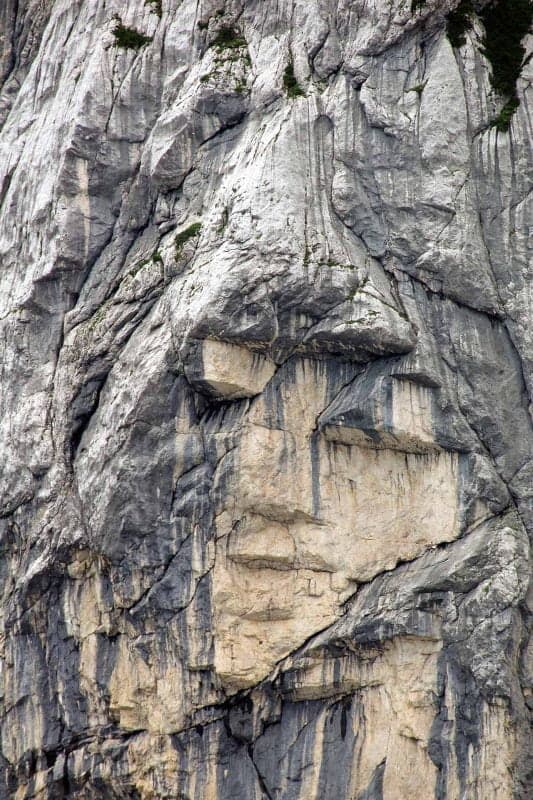
Ajdovska deklica (The Heathen Maiden)
“Above Vršič, in the ribs of the rocky Prisank, the Ajdovska deklica has turned to stone, gazing in astonishment into the Trenta Valley. When autumn days begin to dry the lush mountain grasses, so that they harden and turn straw-like, the mountain goats hurry past her down into the valley, seeking shelter in the dark fir forests.” Thus begins one of the tales that speak of the petrified face in the middle of a steep rock wall, and it ends with the sentence: “If you ever go to Vršič, do take a look at her stone face, which adorns the steep Prisank!” Go and listen. Perhaps a gust of wind will carry the story of a girl who was kind and compassionate at heart, for she helped travellers reach the Trenta Valley safely, no matter how bad the weather was. Because of her goodness, she was often rewarded, and people would leave all kinds of gifts for her beneath an overhanging rock.
Sadly, the girl was not only a benevolent guide, but also a soothsayer—šlogarca, as they say locally. To a baby from Trenta, she foretold that he would become a strong lad and a brave hunter, the like of which had supposedly never been seen beneath Prisojnik. She prophesied that he would shoot a chamois with golden horns, sell the gold, and become very wealthy. This dreadful prophecy was overheard by her sisters, who cursed her… To make a long story short, the result of their judgment can be seen in the wall of Prisojnik. The petrified maiden still gazes across Vršič into Trenta to this day.
The face wall of the Ajdovska deklica is so steep that snow can almost never remain on it.
Above the Vršič Pass in Winter
Where Can We Go?
The most frequently visited high mountain above Vršič in winter is certainly Mala Mojstrovka. It is highly regarded by mountaineers who reach the summit via the marked route across the southern slopes, as well as by ski tourers and climbers who choose one of the many winter routes: the Beginner’s Route, Butinar’s Route, Župančič’s Route, and others. In good conditions and with the road open, tracks can be found almost everywhere. From Mala Mojstrovka, under favourable snow conditions, one can continue along the ridge to Velika Mojstrovka, then to Zadnja Mojstrovka, and further to Travnik. Beyond Travnik, the ridge narrows significantly and becomes more demanding, while the slopes also steepen on the sunny side.
Nad Šitom glava is also very popular. Even closer to the pass, it nevertheless offers—despite the short approach across its southern slopes—fine views of the surrounding peaks. By the way, have you ever wondered where the name of this summit comes from? To put it differently, who or what is Šit, if the peak is named after the “head” above it? In the literature, I found that the people of Rateče call the entire northern foothills above Planica “Šita” because of the extensive scree fields beneath the steep walls.
Slemenova Špica (1909 m), highly regarded in autumn for its golden larches and famous for its classic view of Jalovec, also attracts many hikers in winter, who cross the Vratca saddle and traverse beneath the walls of Nad Šitom glava and Mala Mojstrovka.
From Koča na Gozdu, a track is usually beaten soon after snowfall to the modestly distant Visoki Mavrinc / Špica v Sedelcih (1562 m). This gently rounded hill is forested almost to the very top, where it finally emerges from the trees. The view—few can match it! Especially toward the Martuljek Mountains beyond Velika Pišnica, or Krnica.
Prisojnik is a difficult mountain to access in winter conditions. It is usually climbed via the ridge route or the southern route. The former is more demanding and exposed, while the latter is easier but more dangerous due to avalanches. More about ascents of Prisojnik and other important peaks above Vršič can be found in the main section; here, just a few words about the little hill that gave the pass its name.
Do you know where the (true) Vršič is? Just over a hundred vertical meters above the highest point of the road lies an easily accessible knoll (1737 m). Most mountaineers pay it little attention, yet it offers—if nothing else—an expansive view of the surrounding giants. You can reach it via a longer path past the Poštarski dom hut, or directly from the road up the steep northern slope. In good snow conditions, this may even be easier than in summer. If the road to Vršič is closed or unploughed, the ascent becomes a very respectable tour with an impressive elevation gain, as our “little hill” rises almost a thousand meters above Kranjska Gora. Not insignificant, is it? Even the Mojstrovke might blush, with their meagre seven hundred meters above the pass.
To conclude. Memory reaches back more than a decade, when, almost at dusk after crossing the ridge of the Mojstrovke, the very same true Vršič invited us in as guests. Everyone had already left. Only the Ajdovska Deklica—the Pagan Girl—with her story remained. Before sunset, she fell asleep, weary of the daily admiring gazes, and passed the baton to Queen Škrlatica, who, with her majestic and ever-changing hues, provided a magical end to the day …
Above the Vršič Pass in Winter
Slemenova Špica, 1909 m
Julian Alps
The Sleme plateau, with its small ponds and magnificent views of Jalovec, is a popular destination even in winter. If the road to the pass is open, the tour is not particularly long; however, careful judgment is required to determine whether conditions are safe, as the slopes beneath Nad Šitom glava and Mala Mojstrovka are prone to avalanches. From the Vratca saddle, and in suitable conditions, it is also possible to ascend the nearby Prednje Robičje via the south-western ridge, extending the tour by a good hour.
Difficulty: Easy winter (snow) tour. Special caution is required on avalanche-exposed slopes and on the summit of Slemenova Špica, where cornices can overhang the steep edges.
Equipment: Standard high-mountain equipment, crampons, ice axe, and avalanche safety kit (transceiver, shovel, and probe).
Elevation gain: 300 m
Starting point: Vršič Pass, 1611 m. From central Slovenia, drive via the Gorenjska motorway, exit at Hrušica, turn left into the Upper Sava Valley toward Kranjska Gora, and continue over the switchbacks to Vršič. From the Primorska side, drive from Nova Gorica along the Soča River past Tolmin, Kobarid, and Bovec to Trenta, then up to the pass. If the road is closed, the tour becomes significantly longer.
Times:
Vršič – Vratca: 1 h
Vratca – Slemenova Špica: 1 h
Descent: 1 h 30 min
Total: 4 h
Season: Suitable in favourable and safe snow conditions, usually from December to April.
Ascent: From the top of the pass, follow the marked trail northward toward the Vratca saddle (1799 m), situated between Nad Šitom glava on the left and Prednje Robičje on the right. At the saddle, turn left and traverse beneath the walls of Nad Šitom glava (2087 m) and Mala Mojstrovka (2332 m) to reach the Sleme plateau.
Once on the plateau, turn right and continue to the summit of Slemenova Špica (1909 m). Once again, caution is strongly advised along the exposed edge!
Descent: Descend along the same route as the ascent.
WGS84: N 46.435210°, E 13.744205°
Nad Šitom Glava, 2087 m
Julian Alps
The summit could be described merely as a shoulder of the higher Mala Mojstrovka, since with barely ten meters of relative height difference, it hardly deserves the title of a peak. Yet, with its steep eastern and northern faces on one side and easy access across the southern slopes on the other, it is far more significant than those dry numerical figures might suggest.
Difficulty: Easy winter (snow) tour
Equipment: Standard high-mountain equipment, crampons, ice axe, and avalanche safety kit (transceiver, shovel, and probe).
Elevation gain: 480 m
Starting point: Vršič Pass, 1611 m. From central Slovenia, drive via the Gorenjska motorway, exit at Hrušica, turn left into the Upper Sava Valley toward Kranjska Gora, and continue over the switchbacks to Vršič. From the Primorska side, drive from Nova Gorica along the Soča River past Tolmin, Kobarid, and Bovec to Trenta, then up to the pass. If the road is closed, the tour becomes significantly longer.
Times:
Vršič – Nad Šitom Glava: 1 h 30 min
Descent: 1 h
Total: 3 h
Season: Suitable in favourable and safe snow conditions, usually from December to April.
Ascent: From the highest point of the pass, follow the marked route toward Mala Mojstrovka (2332 m). Before reaching Grebenec, turn right and traverse beneath the walls to the saddle between Mala Mojstrovka and Nad Šitom Glava. From there, it is only a few minutes along the broad ridge to the nearby summit on the right.
Descent: Descend along the same route as the ascent.
In the lower section, it is possible to descend directly to the road across snowfields, which in summer form an extensive scree slope.
WGS84: N 46.435210°, E 13.744205°
Prisojnik, 2547 m
Julian Alps
The final tour in this section leads us to the highest mountain above the Vršič Pass. This snow-covered, sun-facing giant is a very demanding mountaineering objective. Despite the high starting point, the route is long and strenuous and should be attempted only by well-equipped, experienced mountaineers. Two routes are available: the ridge route and the route across the southern slopes. The former is more demanding, while the latter—although technically easier—is more exposed to avalanches, so careful timing is essential.
Difficulty: Very demanding winter (snow) tour. The steep gully below Gladki Rob is extremely steep (30°–40° over 100 m). The southern slopes are prone to avalanches. In the final summit gully, the gradient reaches up to 40°.
Equipment: Standard high-mountain equipment, crampons, ice axe, and avalanche safety kit (transceiver, shovel, and probe).
Elevation gain: 950 m
Times:
Vršič – Gladki rob: 1 hour
Gladki rob – Prisojnik: 3–4 hours
Descent: 3 hours
Total: 7–8 hours
Season: Suitable for favourable and safe snow conditions. Usually from December to April.
Ascent: From Vršič, pass Tičarjev dom and ascend along the narrow road toward Poštarski dom. At a right-hand bend, leave the road and follow the marked trail, crossing over or beneath Sovna glava (1750 m) to reach the saddle between it and Prisojnik. At the saddle, a path branches off to the left descending toward the nearby start of the Kopiščar route, while we turn right and gently ascend across extensive snowfields toward Gladki rob, which we reach via a shortcut through a steep gully (30°–40°, 100 m).
Afterwards, we descend slightly, then traverse almost horizontally across the southern slopes to a steep gully, which we climb along the marked trail. Higher up, we cross into the adjacent gully on the right and ascend through it to the broad summit slope. Just below the summit, we join the ridge path and shortly thereafter reach the highest point on the right.
Descent: Descend along the ascent route.
Starting point: Vršič Pass, 1611 m. From central Slovenia, take the Gorenjska motorway, exit at Hrušica, turn left into the Upper Sava Valley toward Kranjska Gora, and continue over the switchbacks to Vršič.
From the Primorska side, drive from Nova Gorica along the Soča River past Tolmin, Kobarid, and Bovec to Trenta, then ascend to the pass. If the road is closed, the tour becomes significantly longer and is barely feasible during the short winter days.
WGS84: N 46.435210°, E 13.744205°
Mala Mojstrovka, 2332 m
Julian Alps
Mala Mojstrovka marks the eastern beginning of the famous ridge above Planica, which provides an excellent backdrop for sports broadcasts from the ski-jumping valley. One of the easiest and quickest Slovenian high peaks to access, it is rarely deserted. It is popular with hikers, experienced mountaineers, alpinists, ski tourers, and many others. Those for whom the ascent to the summit is merely a good warm-up can (even in winter) continue along the ridge over Velika Mojstrovka to Zadnja Mojstrovka and further on to Travnik.
Difficulty: Demanding snow tour. The slopes above Vršič are avalanche-prone, and the ascent via Grebenc is dangerous due to cornices.
Equipment: Standard high-mountain equipment, crampons, ice axe, and avalanche safety kit (transceiver, shovel, and probe).
Elevation gain: 720 m
Times:
Vršič – Grebenc: 1 hour
Grebenc – Mala Mojstrovka: 1 hour
Descent: 1 hour 30 minutes
Total: 4 hours
Season: Suitable for favourable and safe snow conditions. Usually from December to April.
Starting point: Vršič Pass, 1611 m.
From central Slovenia, drive on the Gorenjska motorway, exit at Hrušica, turn left into the Upper Sava Valley to Kranjska Gora, then continue up the hairpin bends to Vršič Pass.
From the Primorska side, drive from Nova Gorica along the Soča River via Tolmin, Kobarid, and Bovec to Trenta, then up to the pass.
If the road is closed, the tour is considerably longer.
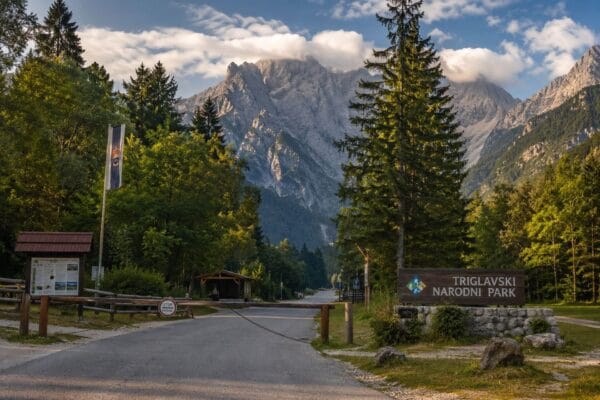
We are located in the heart of Triglav National Park
Book a stay in the iconic, first-built mountain hut on the Vršič Pass
Erjavčeva mountain hut is open year-round. Reserve your stay and spend some time in the natural paradise of Triglav National Park (UNESCO), near Kranjska Gora, on the Vršič mountain pass in the heart of the park.
We use cookies to improve your browsing experience, measure traffic, and enhance website functionality. You can accept all cookies, reject non-essential cookies, or manage your preferences. Cookie Policy,
Privacy Policy
and Terms of Use.
!
Google Maps displays incorrect information that the road to Erjavčeva koča is closed. The road to Erjavčeva koča is open and normally passable from both directions.


 Slovenščina
 Bosanski
 Hrvatski
 Čeština
 Dansk
Dansk Dutch
Dutch Suomi
Suomi Français
 Deutsch
 Magyar
 Italiano
 Polski
 српски
 Slovenčina
 Español
 Svenska