The most useful points from this guide before you continue.
Stay on Vršič Pass
Stay at Erjavčeva koča on Vršič Pass
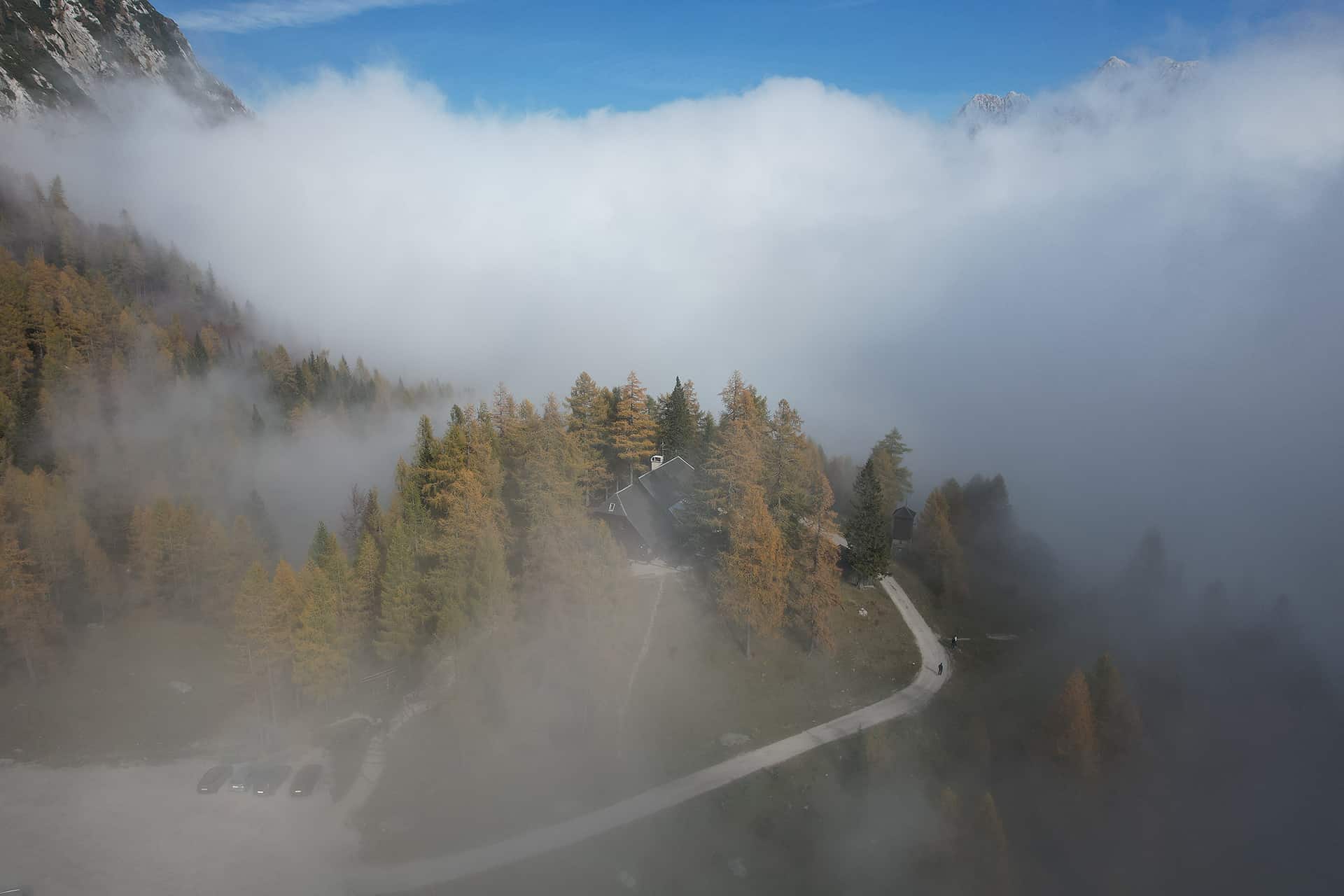
Erjavčeva koča is a mountain hut at Vršič Pass, between Kranjska Gora, Trenta, the Soča Valley and the Julian Alps. It is a practical base for hikers, road-trippers, cyclists and guests who want to stay close to the mountain pass.
Direct location on the Vršič Pass road
Good base for hiking, scenic drives and Julian Alps day trips
Useful for guests visiting Kranjska Gora, Trenta, Soča Valley and Triglav National Park
Food, mountain-hut atmosphere and practical local information in one place
This block is designed for independent guests and self-service booking. It does not imply a price guarantee or live availability.
Before you book your stay
Vršič Pass is a high mountain location, so it is worth checking a few practical details before you travel. This helps you plan your arrival, parking, hiking day and overnight stay more easily.
Access and road conditions
The Vršič road can be affected by season, weather and traffic. Before travelling, check current access information and plan enough time for the mountain road.
Parking
Parking rules and availability around Vršič can change by season and operator. Check the latest parking information before arrival, especially in busy periods.
Rooms and overnight stay
If you plan to stay overnight, check room availability in advance. This is especially important during the hiking season, weekends and good-weather periods.
Food, opening hours and groups
Opening times may vary outside the main summer season or by arrangement with groups. Contact the hut directly for the latest information before making fixed plans.
Self-service planning for your stay at Vršič Pass
Check room and availability options first.
Read access, parking and arrival notes before travelling.
Arrive with your own plan for Vršič, Kranjska Gora, Trenta and the Soča Valley.
Use contact only for special cases, not for information already explained on the page.
A trusted mountain hut at Vršič Pass
Erjavčeva koča has been part of the Vršič mountain pass experience for generations. Guests use it as a practical alpine base for hiking, cycling, scenic drives, visits to Kranjska Gora and trips toward Trenta and the Soča Valley.
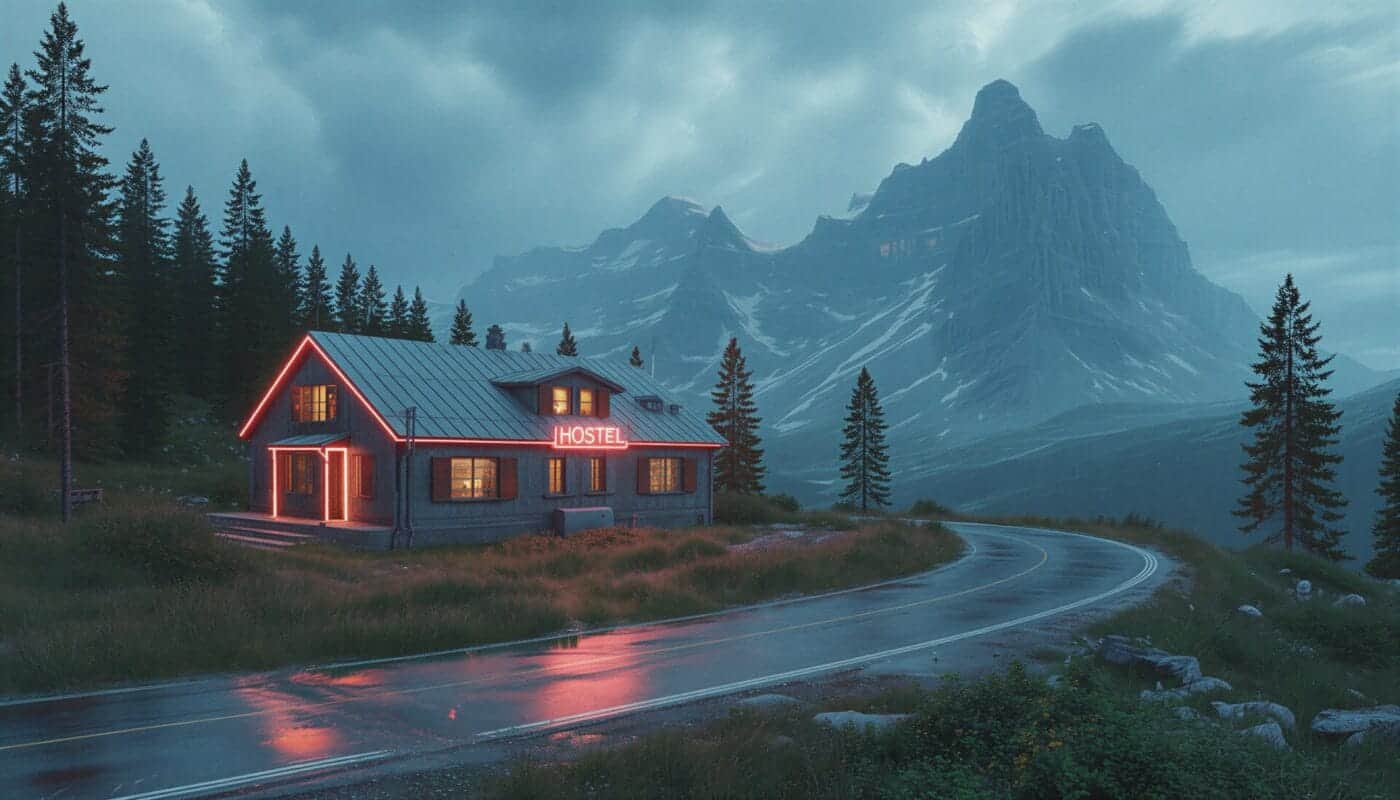
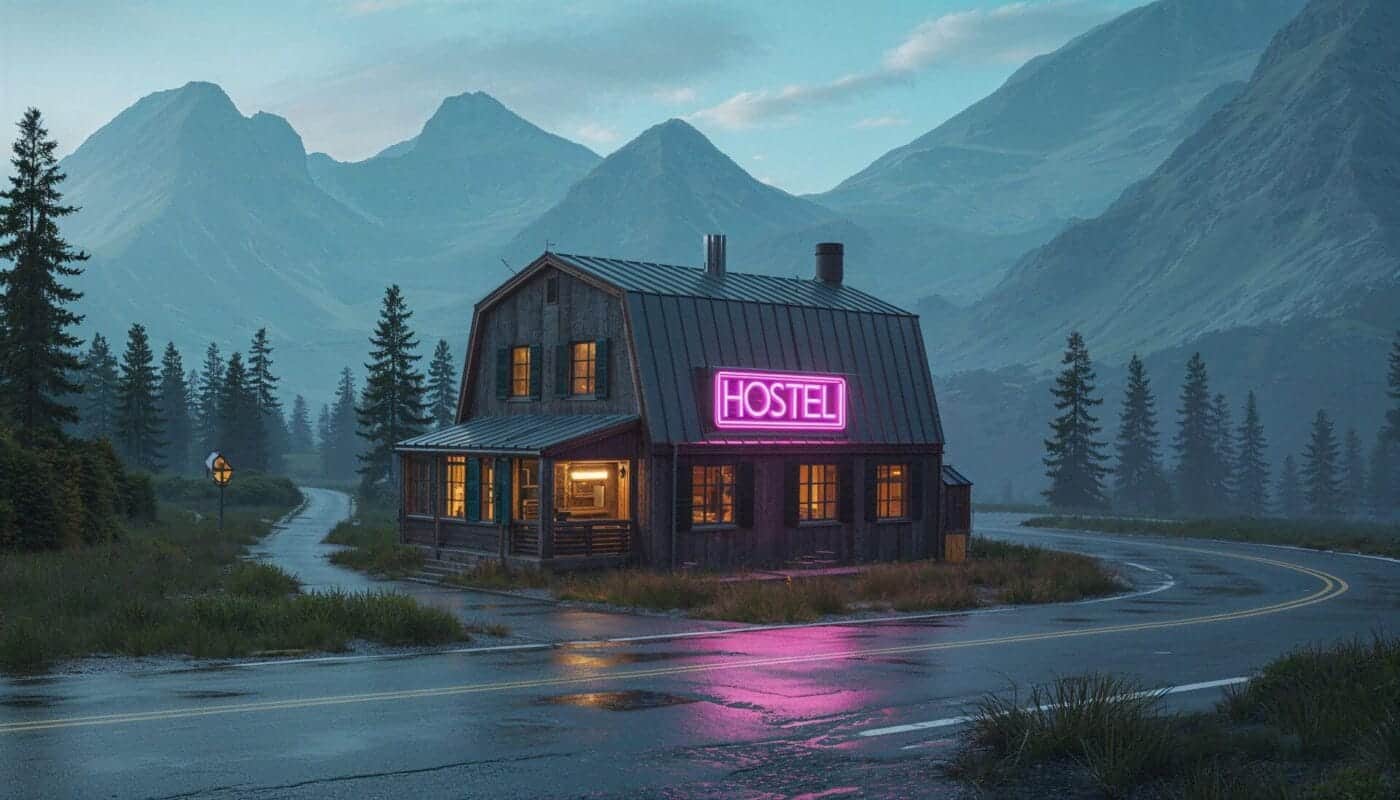
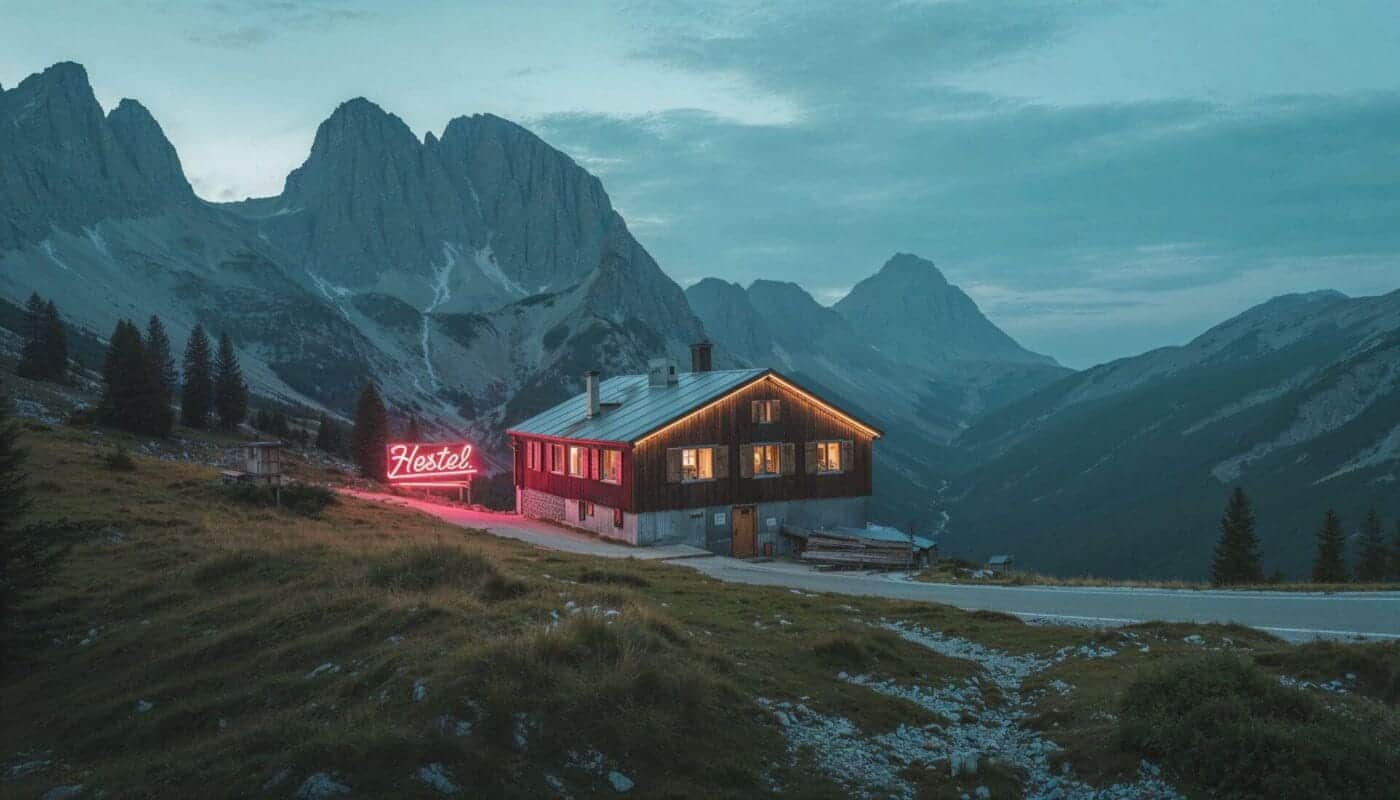
Erjavčeva koča is a mountain hut at 1525 m, not a hotel or hostel. Come for nature, simple shelter and the rhythm of the mountains.
✓Expect
✓Food, shelter and practical help from the hut team
✓Unspoiled nature, mountain views and fresh alpine air
✓A place to rest before or after your mountain trip
✓Simple mountain-hut comfort and shared house rules
×Do not expect
×Luxury hotel rooms or city-hotel services
×Hostel-style nightlife or loud late evenings
×Private bathrooms in every room
×Unlimited parking or guaranteed road access in every weather
Before you book your stay at Vršič Pass
Use the booking information on this page to decide independently. Booking platforms can help with comparison, but your reservation should be clear before you travel. Contact is only for special cases.
Direct booking is best for
Checking rooms and availability
Reading access, parking and arrival details
Booking when your dates and plan are clear
Special questions only for groups, late arrival or winter conditions
No price guarantee is implied. This block encourages self-service planning and reduces unnecessary calls or emails.
What happens after you check availability?
Checking availability is the first booking step, not a request for personal travel planning. Read the arrival, access and parking information before you book. Contact is only for special cases.
Choose the room or stay option that fits your plan.
Complete the booking request with your travel date and arrival plan.
Before travelling, read the access, parking and seasonal notes; use contact only for groups, late arrival or winter conditions.
CTA clicks are measured as intent signals. This block is designed for self-service reservations and to reduce unnecessary calls or emails.
Summer visit: parking, hiking and rooms
In summer, Vrsic is busy with hikers, cyclists and scenic-road visitors. Plan arrival time, parking, weather protection and overnight questions before you leave.
Arrive early when parking demand is high.
Check weather before longer hikes.
For overnight stays, contact the hut directly before travel.
This block is a practical planning reminder, not a live availability statement.
This guide is prepared from the perspective of Erjavčeva koča, a mountain hut on Vršič Pass. Use it together with current weather, road conditions and responsible behaviour in Triglav National Park.
Last updated: 10/05/2026First published: 09/05/2026Reading time: 14 min readPrepared by: Erjavčeva koča team
Erjavčeva koča Is Not a Hotel, Guest House, or Hostel – It Is a Real Slovenian Mountain Hut
When visitors come to Slovenia for the first time, they may think that the words hotel, guest house, hostel, and mountain hut are simply different names for accommodation. But in the Slovenian mountains, this is not true. Erjavčeva koča on the Vršič Pass is not a hotel, a classic guest house, or a hostel. It is a mountain hut – part of more than a century of Slovenian mountaineering tradition, where shelter, food, safety, warmth, modesty, and respect for nature matter more than hotel-style luxury.
Erjavčeva koča stands on the Vršič Pass, in the heart of the Julian Alps and Triglav National Park, where a visitor is not only a tourist but also a guest in a sensitive mountain environment. The hut has a history dating back to 1901. After the First World War, it was taken over by the Slovenian Mountaineering Society, later restored by mountaineers from Jesenice, and the present hut was officially opened on 1 August 1993. (pdj.si)
What Is a Mountain Hut?
A mountain hut is, first and foremost, a shelter in the mountains. It is intended for rest, refreshment, overnight stays, information for hikers, and help in case of difficulties on the trail. The Alpine Association of Slovenia explains that mountain huts are intended for shelter, rest, food, and mountaineering education, while also noting that even the most comfortable huts are not equipped to meet every wish a visitor might expect from a classic tourist accommodation facility. (arhiv.pzs.si)
This means the purpose of a mountain hut differs from that of a hotel. You do not come to a hut merely “to sleep.” You come to the mountains. You come for information about the trail, for a warm tea, for a homemade meal, for rest after a hike, for a safe night before continuing your journey, for contact with the mountain environment, and for the feeling of a mountaineering community.
In mountain huts, there should be companionship, homeliness, warmth, and consideration for other hikers, staff, and nature. The Alpine Association of Slovenia especially emphasises the careful use of water and energy, minimal noise and waste, and modest, welcoming shelter rather than hotel luxury. (pzs.si)
Erjavčeva koča Is Not a Hotel, Guest House, or Hostel
Why Erjavčeva koča Is Not a Hotel
A hotel is usually designed as a standardised accommodation facility, emphasising comfort, privacy, services, star classification, and a specified level of equipment. Slovenian regulations on the categorisation of accommodation facilities classify hotels into official quality categories, with hotels following the Hotelstars standards, while other types of accommodation follow their own prescribed standards. (uradni-list.si)
A mountain hut has a different starting point. Its primary task is not hotel luxury but safe, responsible accommodation in the mountain environment. A guest in a mountain hut should not expect everything to work as it would in a city hotel or tourist resort. In the mountains, water, energy, food delivery, waste removal, weather, road conditions, and seasonal circumstances are real factors in everyday operation.
In a hotel, the guest is often focused on the room, service, and comfort. In a mountain hut, the experience is broader: it is connected with nature, the mountains, other hikers, hut keepers, mountain trails, weather conditions, and house rules. That is why Erjavčeva koča is not a “lesser hotel,” but a different type of accommodation – a mountain post with its own culture, meaning, and rules.
Why Erjavčeva koča Is Not a Guest House
The term guest house is often used for a smaller accommodation facility, sometimes with food service, rooms, and a more private hospitality experience. In the Slovenian accommodation system, guest houses and pensions are specific types of accommodation facilities categorised as one to four stars. (uradni-list.si)
A guest house is usually associated with hospitality, a restaurant, and rooms, in a village, town, or roadside setting. Of course, a mountain hut can also offer food, drinks, and overnight accommodation. But its purpose is different. A mountain hut is part of the mountaineering infrastructure. It belongs to the culture of hiking, responsible visits to nature, and assistance to people in the mountains.
In a guest house, guests usually expect a more classic level of hospitality and privacy. In a mountain hut, however, the guest enters a space where mountain hut rules apply: consideration for others, quiet at night, saving water, proper handling of equipment, respect for staff, and an understanding that the hut is a shared space for many visitors.
Why Erjavčeva koča Is Not a Hostel
A hostel, or youth hostel, is a special type of accommodation often intended mainly for younger guests, with shared spaces, rooms or shared rooms, beds, and minimum technical requirements. Slovenia’s official SPOT business portal describes a youth hostel as a type of accommodation that must include, for example, a shared living area, rooms or shared rooms, beds, and appropriate bathrooms or toilets. (spot.gov.si)
At first glance, a mountain hut may seem similar to a hostel because it may have shared sleeping areas. But the similarity mostly ends there. A hostel is an accommodation model, often connected with affordable city or tourist stays. A mountain hut, however, is connected with the mountain environment, mountaineering tradition, trail safety, nature protection rules, and the logistical limitations of the mountains.
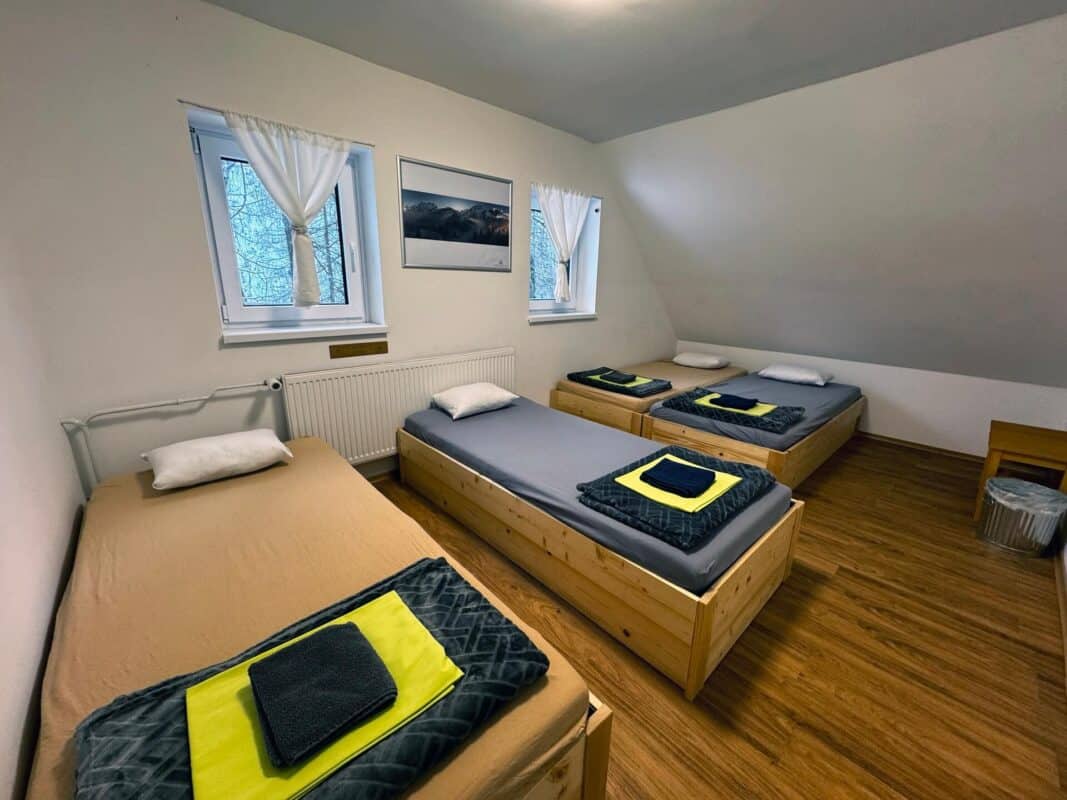
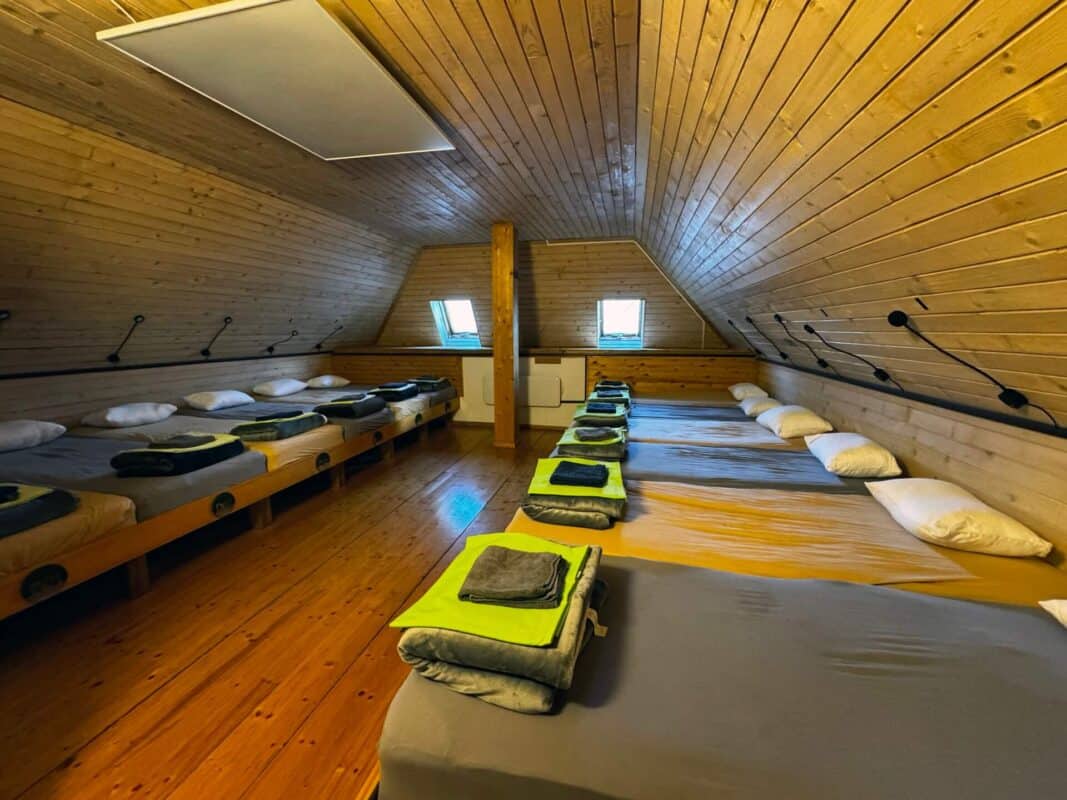
In a hostel, a shared room is primarily a form of accommodation. In a mountain hut, shared living is part of mountaineering culture: people get up early, prepare for hikes, dry their equipment in designated areas, keep quiet, and understand that bad weather, fatigue, or injury can quickly change the day’s plans. That is why Erjavčeva koča is not a hostel, but a mountain hut with private rooms and dormitory beds that serve the mountaineering way of life.
Erjavčeva koča Is Not a Hotel, Guest House, or Hostel
The History of Mountain Huts in Slovenia
Mountain huts in Slovenia are not a modern tourist invention. They are part of the development of Slovenian mountaineering, national identity, volunteer work, and the effort to make mountain visits safer. The Alpine Association of Slovenia notes that as early as 1876, three early huts were built, including predecessors of today’s important mountain lodges. In 1893, the Slovenian Mountaineering Society was founded, and in 1894, it built Orožnova koča below Črna Prst and Kocbekova koča below Ojstrica. (arhiv.pzs.si)
The Slovenian Mountaineering Society was founded on 27 February 1893 in Ljubljana. Today, the Alpine Association of Slovenia emphasises that it is the successor to this society and that Slovenian mountaineering tradition is based on volunteer work, the protection of mountain nature, the education of mountain visitors, and the connection of mountaineering clubs. (planinska-zveza.si)
An important part of this history is also Planinski vestnik, which began publication in 1895 as the magazine of the Slovenian Mountaineering Society. Today, it is considered the oldest still-published Slovenian magazine and one of the most important archives of Slovenian mountaineering. (arhiv.pzs.si)
Mountain huts were therefore always more than a roof over one’s head. They were places of meeting, safety, knowledge, the Slovenian language, maps, trails, trail markings, and stories. A Slovenian mountain culture developed among them: greeting others on the trail, caring for the weaker hiker, respecting the hutkeeper, solidarity among hikers, and the awareness that the mountain is not a backdrop but a living environment.
Erjavčeva koča as Part of This Tradition
Erjavčeva koča on the Vršič Pass is directly connected with this story. The original hut was opened in 1901 by the Carniolan section of the German-Austrian Alpine Association. After the First World War, it was taken over by the Slovenian Mountaineering Society, repaired and enlarged, and named after the natural scientist and writer Fran Erjavec. After the Second World War, it was taken over by mountaineers from Jesenice, restored and reopened in 1946, and later replaced with a new hut, opened in 1993. (pdj.si)
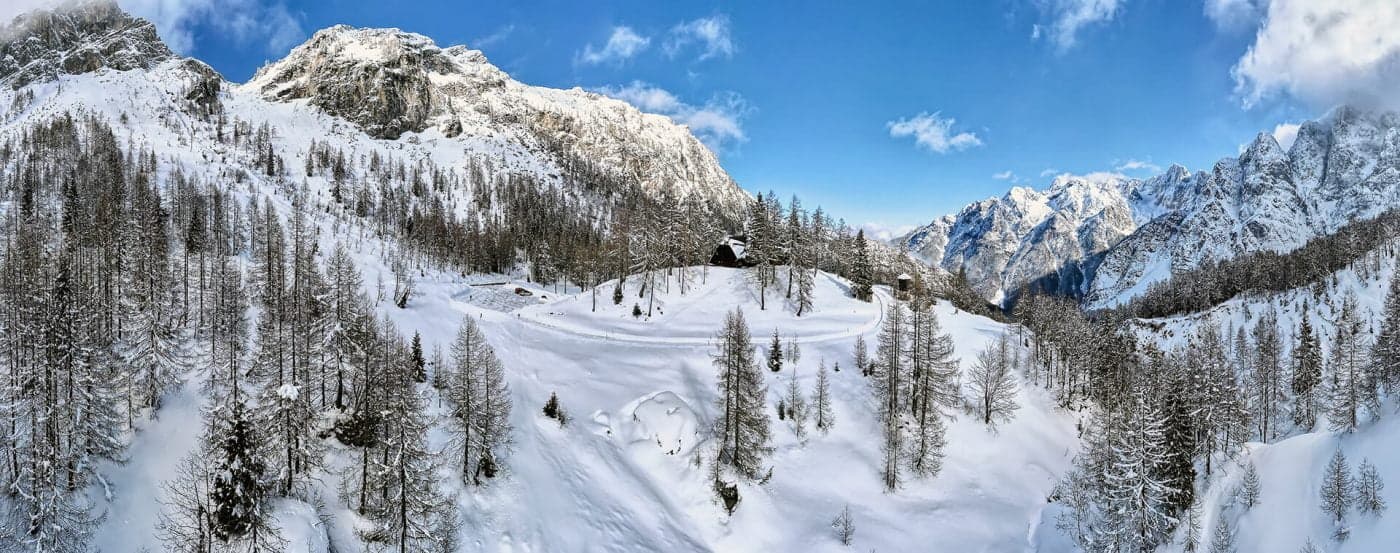
Today, Erjavčeva koča offers visitors more than just a place to sleep. It is a starting point for hikes in the Julian Alps, a place to rest on the road across the Vršič Pass, a viewpoint towards Prisank and the Ajdovska Deklica rock face, and a meeting point between Kranjska Gora, Trenta, the Soča Valley, and the Julian Alps. It is a hut with history, but also a hut that lives today: with homemade mountain food, private rooms, shared beds, information for visitors, and respect for the nature of Triglav National Park. (erjavcevakoca.si)
Basic Rules of Staying in a Mountain Hut
In a mountain hut, comfort is connected with responsibility. The Alpine Association of Slovenia’s house rules state that mountain huts must provide visitors with accommodation, overnight stays, food and drink, and help in the event of mountain accidents. They must also provide visitors with information on the condition of nearby trails and other nearby mountain huts. (pzs.si)
The most important rules are simple, but very important:
Respect the Quiet
In mountain huts, people often leave for hikes very early. That is why nighttime quiet is an essential part of shared living. The Alpine Association’s house rules state that there must be complete quiet in mountain huts from 10 p.m. to 5 a.m. (pzs.si)
Save Water and Energy
In the mountains, water is not something to take for granted. Even if a hut has showers and toilets, visitors should understand that water, heating, and electricity are more limited than in the valley. The Alpine Association asks visitors to use as little energy and water as possible and to create as little noise and waste as possible. (pzs.si)
Take Your Rubbish Back to the Valley
A mountain hut is not a place where visitors can leave everything they brought. The house rules clearly state that every visitor must take their own rubbish back down to the valley. (pzs.si)
Do Not Enter Sleeping Areas in Hiking Boots
Boots, wet clothing, backpacks, and equipment belong in designated areas. The Alpine Association states that visitors should not enter sleeping areas wearing shoes, and that clothing and equipment may only be dried or stored where permitted. (pzs.si)
Use Your Own Sleeping Liner
In mountain huts, a sleeping bag is usually not necessary, but a mountain sleeping liner is recommended or required. This is part of hygiene and common practice in mountain huts, especially in shared rooms. (pzs.si)
Reserve Responsibly
During the season, huts are often full, so advance booking is recommended. If a guest cannot come, they should inform the hut, because the bed may be important for another hiker. The Alpine Association especially notes that in the area around Triglav, booking in summer is practically essential. Before staying at Erjavčeva koča, visitors can also check available rooms and sleeping options. (pzs.si)
Mountain Huts and Triglav National Park
Erjavčeva koča is located within Triglav National Park, Slovenia’s only national park. Triglav National Park reminds visitors that we are only guests in this sensitive natural environment and that nature should remain unchanged after our visit. (tnp.si)
This is another reason why a mountain hut is not a hotel. A hotel in a city operates in an urban environment. A mountain hut on the Vršič Pass operates in a national park, where special rules apply: use marked trails, do not light fires in the natural environment, do not camp or sleep outside designated areas, be cautious with drone use, and respect the peace of animals and nature. Visitors should also check the weather at Vršič Pass and live road conditions at Vršič Pass before arriving. (tnp.si)
In Triglav National Park, camping and overnight stays outside designated areas are not allowed. That is why mountain huts are a key part of responsible mountain visitation: they make overnight stays possible where they are organised, safer, and less harmful to nature. (tnp.si)
Postcard of Erjavec Lodge (no date) featuring Vršič Pass and Erjavčeva koča mountain hut would...
11 Nov
What Can Visitors Expect at Erjavčeva koča?
Visitors can expect warmth, homeliness, food, drinks, the possibility of overnight accommodation, information about the surroundings, and a starting point for exploring the Julian Alps. They can expect history, views, contact with nature, and the feeling of being part of a mountain community. For practical planning, visitors can also explore things to do on Vršič Pass and nearby hiking trails around Vršič Pass.
What they should not expect is for a mountain hut to function like a city hotel with unlimited services, unlimited water use, full soundproofing, a permanent hotel-style reception, and privacy at every step. A mountain hut is comfortable in its own way: with a warm room, a hearty mountain meal, good advice, wood, the smell of the mountains, quiet after 10 p.m., and a morning that begins with views of the peaks.
This is the essence of staying at Erjavčeva koča: we do not offer the illusion of a hotel in the mountains, but the real experience of a Slovenian mountain hut.
Mountain Hut Tradition: Modesty Is Not a Weakness, but a Value
In modern tourism, people often look for more: more comfort, more services, more photos, more privacy, more speed. A mountain hut teaches something different. It teaches that in the mountains, a warm room, dry equipment, a bowl of good food, a friendly greeting, a safe trail, and respect for silence can be enough.
Modesty in a mountain hut is not a sign of lower quality. It is part of the tradition. It means understanding where we are. That water comes from the mountain environment. That food is delivered under more difficult conditions than in the valley. That waste does not disappear on its own. That a tired hiker needs peace. The hut keeper is not a hotel receptionist, but the person who keeps the hut alive.
That is why visiting a mountain hut is also a cultural experience. For a foreign visitor, it shows how Slovenians understand the mountains: not as a backdrop for consumption, but as a place of respect, movement, caution, volunteer spirit, and community.
A postcard from 1931 featuring Vršič Pass and Erjavčeva koča mountain hut would capture a...
13 Mar
Erjavčeva koča: The Right Choice for Those Who Want to Experience the Mountains
If you are looking for a classic hotel, then a mountain hut may not be the right choice. If you are looking for a city hostel, it is not that either. If you are looking for a guest house with the usual expectations of valley tourism, you will find something different here.
But if you want to understand the Slovenian mountains, sleep on the Vršič Pass, wake up among the Julian Alps, taste homemade mountain food, respect the nature of Triglav National Park, and experience more than just accommodation, then Erjavčeva koča is the right choice.
Erjavčeva koča is not a hotel. It is not a guest house. It is not a hostel. Erjavčeva koča is a mountain hut – and that is exactly where its value lies.
Frequently Asked Questions About Staying in a Slovenian Mountain Hut
Is Erjavčeva koča a hotel?
No. Erjavčeva koča is a Slovenian mountain hut on the Vršič Pass. It offers accommodation, food, shelter, information, and a genuine mountain-hut experience, but it is not designed as a hotel with hotel-style luxury, service levels, or urban accommodation standards.
Is Erjavčeva koča a guest house?
No. Although guests can sleep and eat at Erjavčeva koča, its purpose is different from a classic guest house. It is part of Slovenian mountaineering culture and mountain infrastructure, where responsible behaviour, shared spaces, respect for nature, and hut rules are part of the experience.
Is Erjavčeva koča a hostel?
No. A hostel is usually a budget accommodation model, often in towns or tourist centres. Erjavčeva koča may offer shared sleeping options, but it is first and foremost a mountain hut connected with hiking, mountain safety, early starts, hut etiquette, and the tradition of Slovenian mountain life.
Do I need to follow special rules in a mountain hut?
Yes. Guests should respect quiet hours, save water and energy, remove their rubbish, use designated areas for boots and equipment, and behave considerately toward other hikers, staff, and the natural environment.
Why should I stay in a mountain hut instead of a hotel?
A mountain hut offers a more authentic alpine experience. Visitors stay closer to hiking trails, mountain views, nature, and local mountaineering tradition. It is the right choice for guests who want to experience the Slovenian mountains, not only sleep near them.
We are located in the heart of Triglav National Park
Book a stay in the iconic, first-built mountain hut on the Vršič Pass
Erjavčeva mountain hut is open year-round. Reserve your stay and spend some time in the natural paradise of Triglav National Park (UNESCO), near Kranjska Gora, on the Vršič mountain pass in the heart of the park.
We use cookies to improve your browsing experience, measure traffic, and enhance website functionality. You can accept all cookies, reject non-essential cookies, or manage your preferences. Cookie Policy,
Privacy Policy
and Terms of Use.
!
Google Maps displays incorrect information that the road to Erjavčeva koča is closed. The road to Erjavčeva koča is open and normally passable from both directions.

 Slovenščina
 Bosanski
 Hrvatski
 Čeština
 Dansk
Dansk Dutch
Dutch Suomi
Suomi Français
 Deutsch
 Magyar
 Italiano
 Polski
 српски
 Slovenčina
 Español
 Svenska