


 Slovenščina
 Bosanski
 Hrvatski
 Čeština
 Dansk
Dansk Dutch
Dutch Suomi
Suomi Français
 Deutsch
 Magyar
 Italiano
 Polski
 српски
 Slovenčina
 Español
 Svenska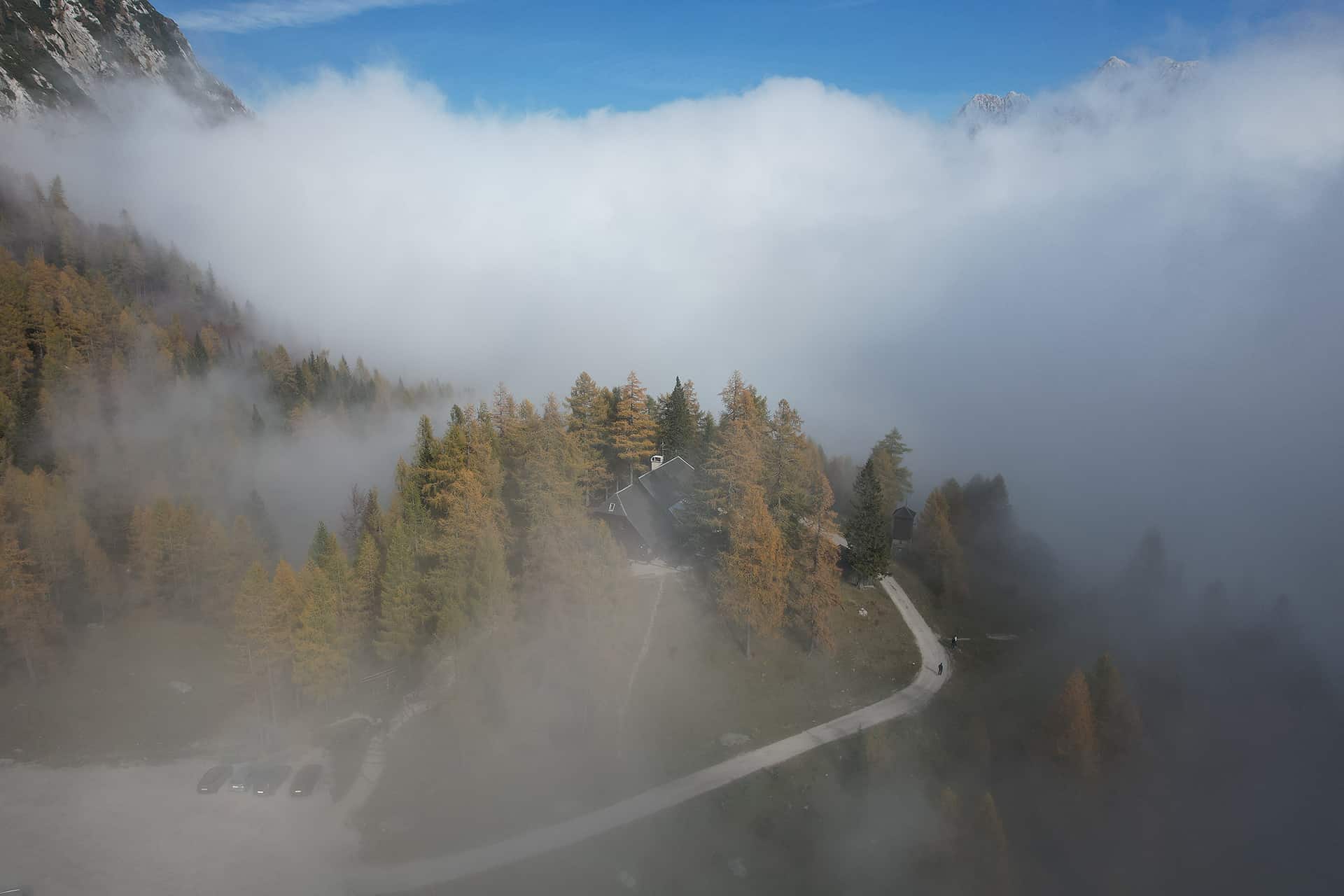
On this page
Jump to the most useful sections of this guide.
Quick summary
The most useful points from this guide before you continue.
Stay on Vršič Pass
Stay at Erjavčeva koča on Vršič Pass
Erjavčeva koča is a mountain hut at Vršič Pass, between Kranjska Gora, Trenta, the Soča Valley and the Julian Alps. It is a practical base for hikers, road-trippers, cyclists and guests who want to stay close to the mountain pass.
- Direct location on the Vršič Pass road
- Good base for hiking, scenic drives and Julian Alps day trips
- Useful for guests visiting Kranjska Gora, Trenta, Soča Valley and Triglav National Park
- Food, mountain-hut atmosphere and practical local information in one place
This block is designed for independent guests and self-service booking. It does not imply a price guarantee or live availability.
Before you book your stay
Vršič Pass is a high mountain location, so it is worth checking a few practical details before you travel. This helps you plan your arrival, parking, hiking day and overnight stay more easily.
Access and road conditions
The Vršič road can be affected by season, weather and traffic. Before travelling, check current access information and plan enough time for the mountain road.
Parking
Parking rules and availability around Vršič can change by season and operator. Check the latest parking information before arrival, especially in busy periods.
Rooms and overnight stay
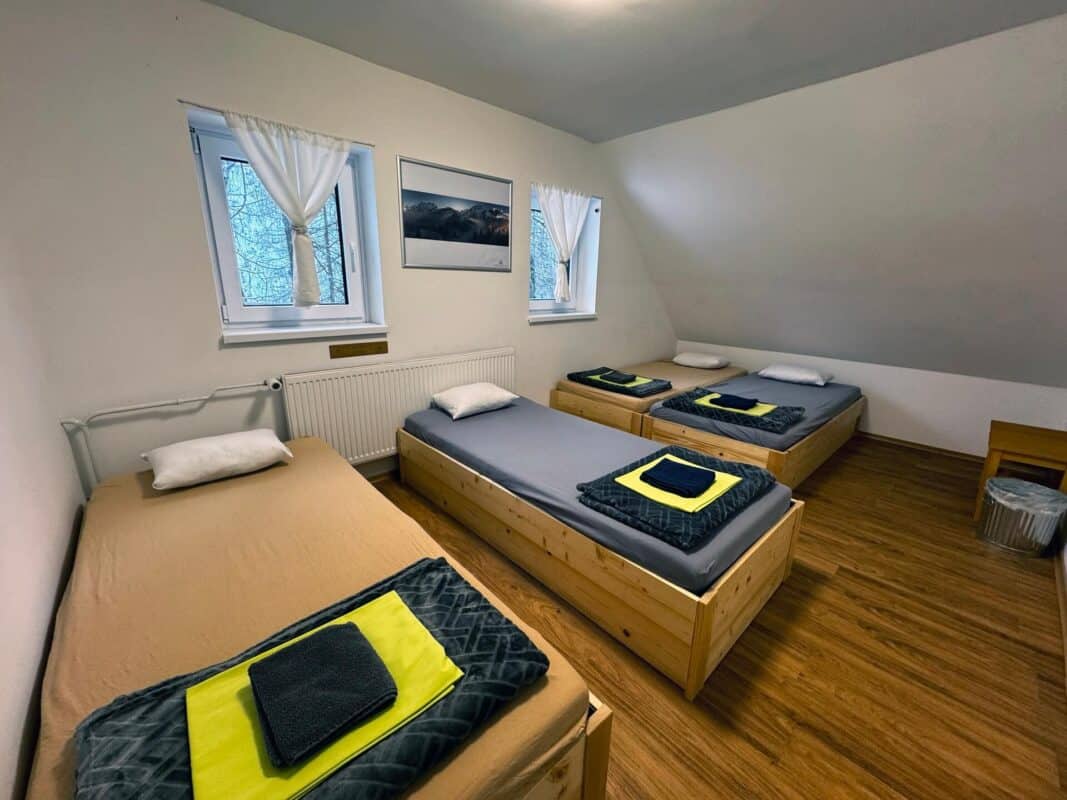
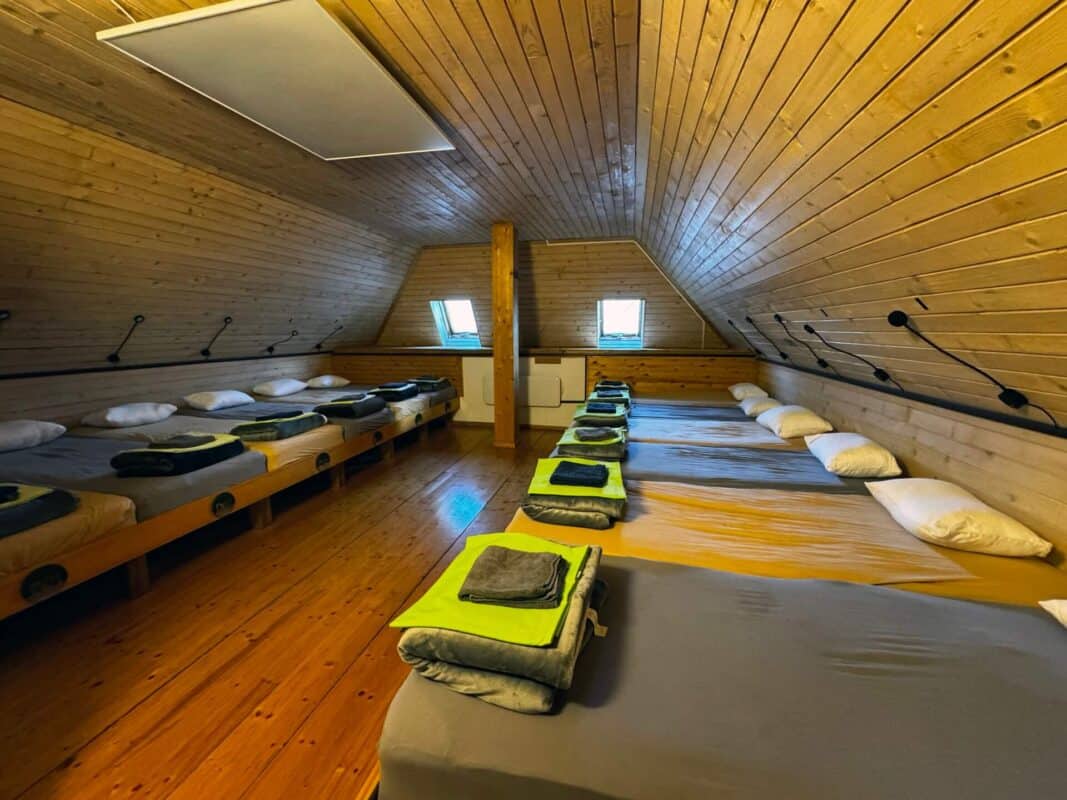
If you plan to stay overnight, check room availability in advance. This is especially important during the hiking season, weekends and good-weather periods.
Food, opening hours and groups
Opening times may vary outside the main summer season or by arrangement with groups. Contact the hut directly for the latest information before making fixed plans.
Self-service planning for your stay at Vršič Pass
- Check room and availability options first.
- Read access, parking and arrival notes before travelling.
- Arrive with your own plan for Vršič, Kranjska Gora, Trenta and the Soča Valley.
- Use contact only for special cases, not for information already explained on the page.
A trusted mountain hut at Vršič Pass
Erjavčeva koča has been part of the Vršič mountain pass experience for generations. Guests use it as a practical alpine base for hiking, cycling, scenic drives, visits to Kranjska Gora and trips toward Trenta and the Soča Valley.
Ready to stay on Vršič Pass? Check the verified accommodation page and reserve directly with the hut.
Erjavčeva koča is a mountain hut at 1525 m, not a hotel or hostel. Come for nature, simple shelter and the rhythm of the mountains.
- ✓Quiet evenings, early starts and weather-dependent mountain life
- ✓Food, shelter and practical help from the hut team
- ✓Unspoiled nature, mountain views and fresh alpine air
- ✓A place to rest before or after your mountain trip
- ×A valley resort experience
- ×Luxury hotel rooms or city-hotel services
- ×Hostel-style nightlife or loud late evenings
- ×Private bathrooms in every room
Before you book your stay at Vršič Pass
Use the booking information on this page to decide independently. Booking platforms can help with comparison, but your reservation should be clear before you travel. Contact is only for special cases.
Direct booking is best for
- Checking rooms and availability
- Reading access, parking and arrival details
- Booking when your dates and plan are clear
- Special questions only for groups, late arrival or winter conditions
Booking platforms are useful for
- Comparing accommodation options
- Reading platform-specific reviews
- Managing platform bookings in one account
- Using platform filters and policies
No price guarantee is implied. This block encourages self-service planning and reduces unnecessary calls or emails.
What happens after you check availability?
Checking availability is the first booking step, not a request for personal travel planning. Read the arrival, access and parking information before you book. Contact is only for special cases.
- Choose the room or stay option that fits your plan.
- Complete the booking request with your travel date and arrival plan.
- Before travelling, read the access, parking and seasonal notes; use contact only for groups, late arrival or winter conditions.
CTA clicks are measured as intent signals. This block is designed for self-service reservations and to reduce unnecessary calls or emails.
Summer visit: parking, hiking and rooms
In summer, Vrsic is busy with hikers, cyclists and scenic-road visitors. Plan arrival time, parking, weather protection and overnight questions before you leave.
- Arrive early when parking demand is high.
- Check weather before longer hikes.
- For overnight stays, contact the hut directly before travel.
This block is a practical planning reminder, not a live availability statement.
This guide is prepared from the perspective of Erjavčeva koča, a mountain hut on Vršič Pass. Use it together with current weather, road conditions and responsible behaviour in Triglav National Park.
Story from the Isonzo Front
Story from the Isonzo Front
Story from the Isonzo Front
Slovenia Uniqe Experiences
A SOLDIER’S STORY FROM THE SOČA (ISONZO) FRONT
Exclusive guidance through a half-day program “A soldier’s story from the Soča (Isonzo) front”, including visits to the Kobarid Museum, Kolovrat outdoor museum, and the museum of cheese-making with shepherd’s snack at Planika Dairy.
Program is tailored for smaller groups and the guide guides visitors through the museum and heritage of the former battlefields where more than ten nations fought during the Great War. The message of the narration is what war is and why we must not fight ever again.
Story from the Isonzo Front
The Battles of the Isonzo (known as the Isonzo Front by historians) were a series of twelve battles between the Austro-Hungarian and Italian armies in World War I mostly on the territory of present-day Slovenia, and the remainder in Italy along the Isonzo River on the eastern sector of the Italian Front between June 1915 and November 1917.

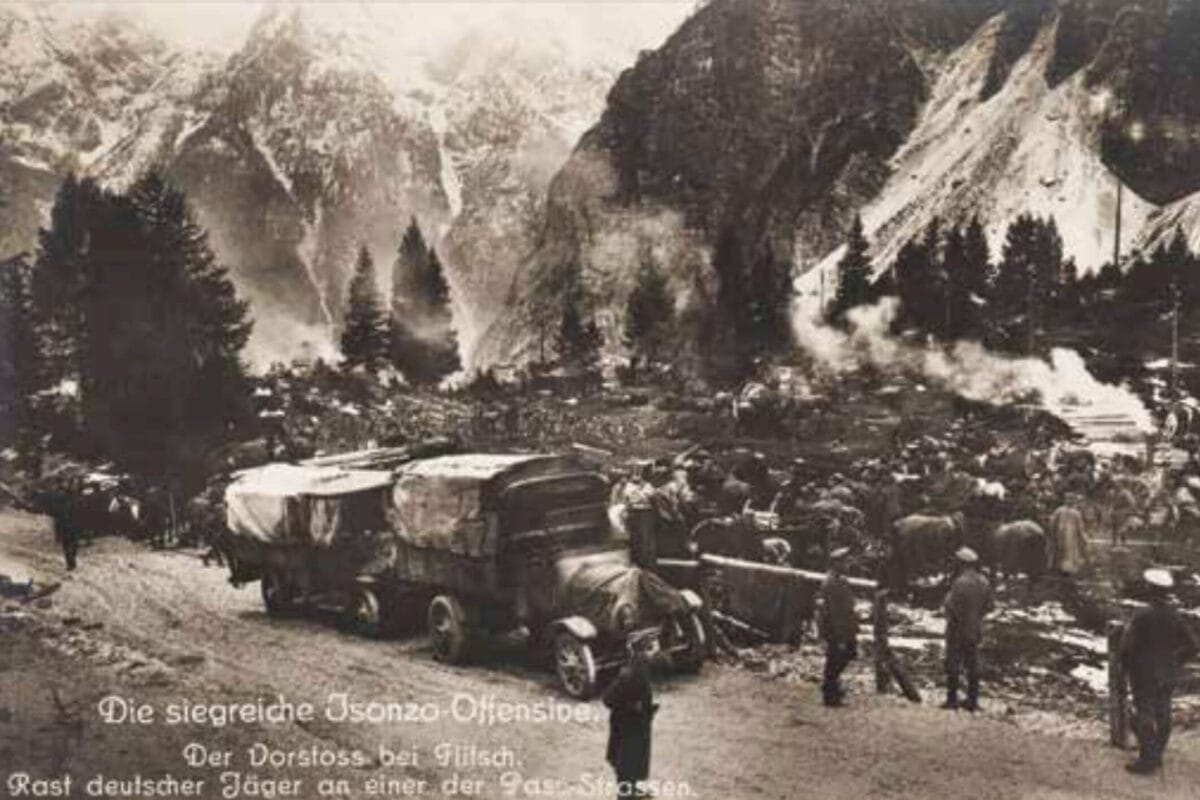
Prisoners of war and Austro-Hungarian soldiers passing by warehouses and a field hospital near the Voss Hut, the present-day Erjavčeva Koča.
(property of Uroš Košir)
In April 1915, in the secret Treaty of London, Italy was promised by the Allies some of the territories of Austro-Hungarian Empire which were mainly inhabited by ethnic Slovenes, Croats and Austrian Germans.
Italian commander Luigi Cadorna, a staunch proponent of the frontal assault who claimed the Western Front proved the ineffectiveness of machine guns, initially planned breaking onto the Slovenian plateau,[clarification needed] taking Ljubljana and threatening Vienna. The area between the northernmost part of the Adriatic Sea and the sources of the Isonzo River thus became the scene of twelve successive battles.
As a result, the Austro-Hungarians were forced to move some of their forces from the Eastern Front and a war in the mountains around the Isonzo River began.

A view of the storage facilities Fassungsstelle Vosshütte beneath the modern-day Erjavčeva Koča. In the first year of the war, various military tents were set up for storage and were later replaced by wooden structures.
(property of Uroš Košir)
Primary sector for Italian operations
Italian soldiers during the Second Battle of the Isonzo, 1915
With the rest of the mountainous 640-kilometre (400 mi) length of the front being almost everywhere dominated by Austro-Hungarian forces, the Soča (Isonzo) was the only practical area for Italian military operations during the war. The Austro-Hungarians had fortified the mountains[citation needed] ahead of the Italians’ entry into the war on 23 May 1915.
Italian Chief of Staff Luigi Cadorna judged that Italian gains (from Gorizia to Trieste) were most feasible at the coastal plain east of the lower end of the Soča (Isonzo) River. Cadorna had not expected operations in the Isonzo sector to be easy. He was well aware that the river was prone to flooding—and indeed there were record rainfalls during 1914–1918. Further, when attacking further north the Italian army was faced with something of a dilemma: in order to cross the Isonzo safely it needed to neutralise the Austro-Hungarian defenders on the mountains above, yet to neutralise these forces the Italian forces needed first to cross the river.

Story from the Isonzo Front
Isonzo Front in numbers
The twelve Battles of the Isonzo took place between 23 May 1915 and 9 November 1917. The part of the front located on the territory of present-day Slovenia was 93 kilometres long. More than 100,000 people in the area fled their homes during the campaign.
The Isonzo Front was 93 kilometres long.
The animosities lasted for 888 days.
The shortest Battle of the Isonzo lasted 3 days. It was the 8th battle on the Isonzo Front and took place between 9 and 12 October 1916.
The longest Battle of the Isonzo lasted 26 days. It was the 11th battle on the Isonzo Front and took place between 17 August and 12 September 1917.
A total of 12 battles took place as part at the Isonzo Front.
The 11th battle is considered the bloodiest military operation on Slovenian soil ever. A total of 50,000 soldiers were killed:around 40,000 soldiers were killed and 108,000 wounded on the Italian side and around 10,000 soldiers were killed and 95,000 were wounded, fell ill or went missing on the Austro-Hungarian side.
11 battles on the Isonzo Front were initiated by the Italian side.
The 12th Battle of the Isonzo was the last battle. It was initiated by the Austro-Hungarian army with help from the German army. It was named Loyalty in Arms (German: Waffentreue). The battle was prepared by German General Kraft von Dellmensingen, and phosgene was used as a chemical weapon.
Around 13,000 soldiers were killed in the 12th battle on the Italian side.
More than 300,000 Italian soldiers became prisoners of war after the 12th battle.
The Italian side lost 73,000 horses in the 12th Battle of the Isonzo.
Around 5,000 soldiers were killed on the Austro-Hungarian and German side.
3,152 cannons, 1,732 mortars, 300,000 rifles, 3,000 submachine guns, 2,000 machine guns and 1,600 cars of the Italian army were captured by the Austro-Hungarian and German army during the 12th Battle of the Isonzo.
A total of 1.5 million soldiers were killed, wounded or captured during the Battles of the Isonzo on both sides. There were at least 250,000 casualties. Around 700,000 soldiers were wounded or poisoned with chemical weapons, and more than 500,000 went missing or were captured on both sides.
More than 95% of total casualties were soldiers.
Around 3,500 casualties on the Isonzo Front were Slovenians; the Isonzo Front was thus not the bloodiest front for Slovenians. The biggest number of Slovenians killed in WWI was in Galicia, from where around 10,000 never returned home. In WWI, an estimated 35,000-40,000 Slovenian soldiers were killed in battle.
An average of 297 soldiers were killed on the Isonzo Front every day.
The remains of 57,739 soldiers who were killed on the Isonzo Front are buried in an ossuary in the village of Oslavia in Italy.
The remains of 7,014 Italian soldiers have been laid to rest in an ossuary above the Slovenian town of Kobarid.
The remains of around 1,000 German soldiers have been laid to rest in an ossuary in the Slovenian town of Tolmin. This is the only preserved location in the area of the Isonzo Front where a larger number of German soldiers is buried.
The remains of 100,187 soldiers have been laid to rest in an ossuary in the town of Redipuglia in Italy.
In 2016, a monument to all Slovenian soldiers killed on the Isonzo Front was unveiled in the town of Doberdo del Lago in Italy.
The ratio between the attackers and defenders at the beginning of the Battles of the Isonzo was approximately 9 to 1, namely around 500 Italian brigades against around 50 battalions of the Austro-Hungarian army.
Two to three million shells were fired in the course of a single battle on the Isonzo Front on average.
The heaviest shell fired on the Isonzo Front weighed 1,060 kilogrammes.
The range of the shell was 12 kilometres, it was 160 centimetres high and had a 420 mm calibre.
Around 80,000 Slovenians from the area of Gorizia and from the Soča Valley were displaced by the Austro-Hungarian authorities because of the Isonzo Front.
Between 10,000 and 12,000 Slovenians were displaced from their homes by the Italians.
Around 230,000 people emigrated from the Isonzo Front area.
On 9 August 1916 the Italian army captured Gorizia during the 6th Battle of the Isonzo. It was the only major military and political target captured by the Italians in WWI.
The attack on Sabotin, the hill which was captured by the Italian army three days before the capture of Gorizia on 6 August 1916, lasted 40 minutes.
Krn, the highest peak of the Krn range and one of the most important fortified peaks in the area of the Isonzo Front, is 2,245 metres high. Some of the bloodiest battles of the Isonzo Front took place in the area.
Observation balloons used by both armies on the Isonzo front could reach heights of between 400 and 800 metres.
30,000 litres of water was needed to fill a balloon with hydrogen; as water is scarce in the area, the use of balloons was limited.
Three balloon companies were used by the Austro-Hungarian army on the Isonzo Front.
Eight balloon units were operated by the Italian army.
The Walk of Peace from the Alps to the Adriatic, which runs along the key points of the Isonzo Front, was opened in March 2015.
There are 15 open-air museums along the Walk of Peace – in Čelo, Ravelnik, Zaprikraj, Mrzli vrh, Mengore, Kolovrat, Sabotin, Prižnica, Vodice, Škabrijel, Pečinka Cave, Ermada, Brestovec, San Michele and the Bersaglieri Valley.
The Walk of Peace from the Alps to the Adriatic – First World War heritage made it to the UNESCO World Heritage Tentative List in 2016.

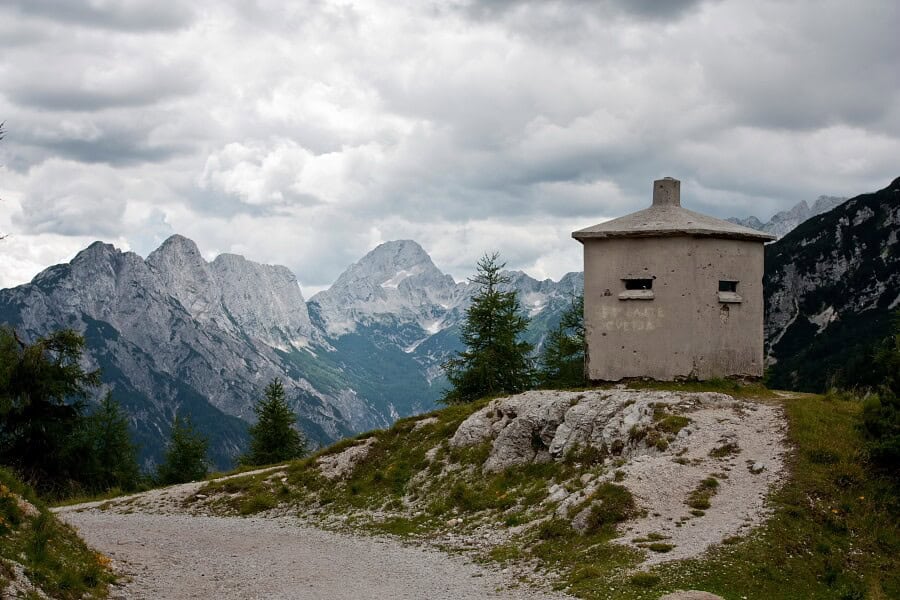


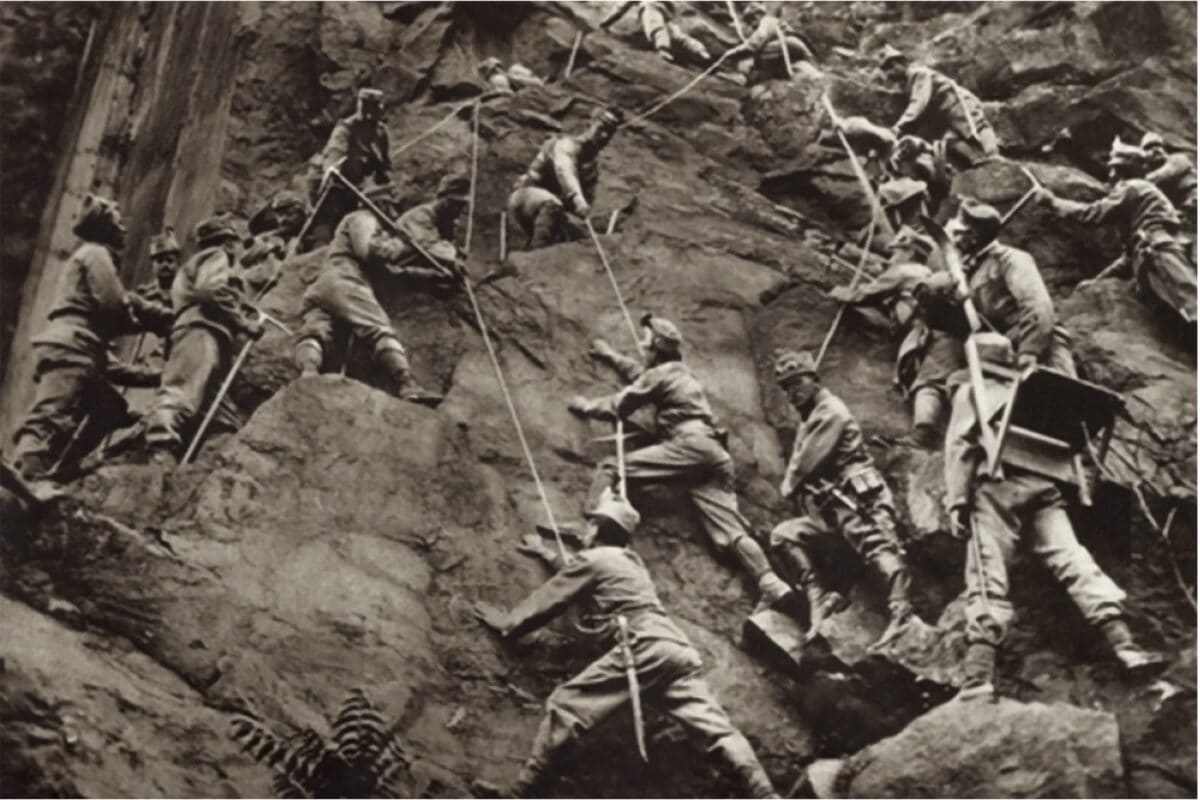
Trips and Hikes around the hut
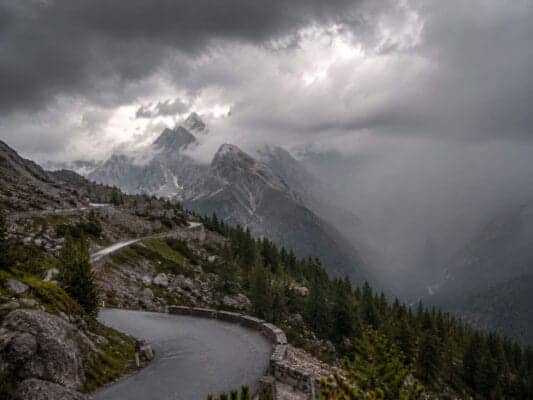

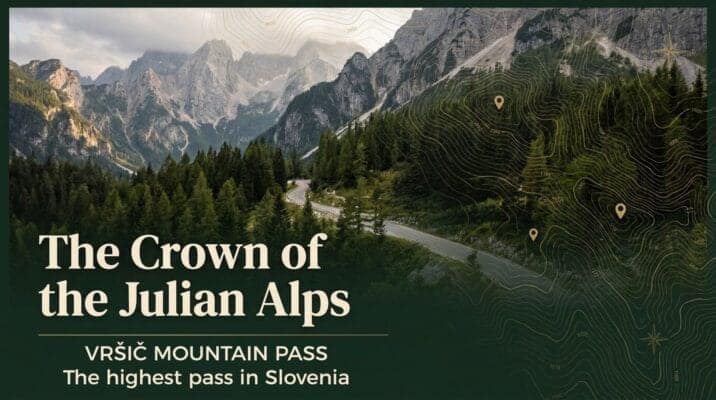
Why visit a moutain hut?
We are open year-round
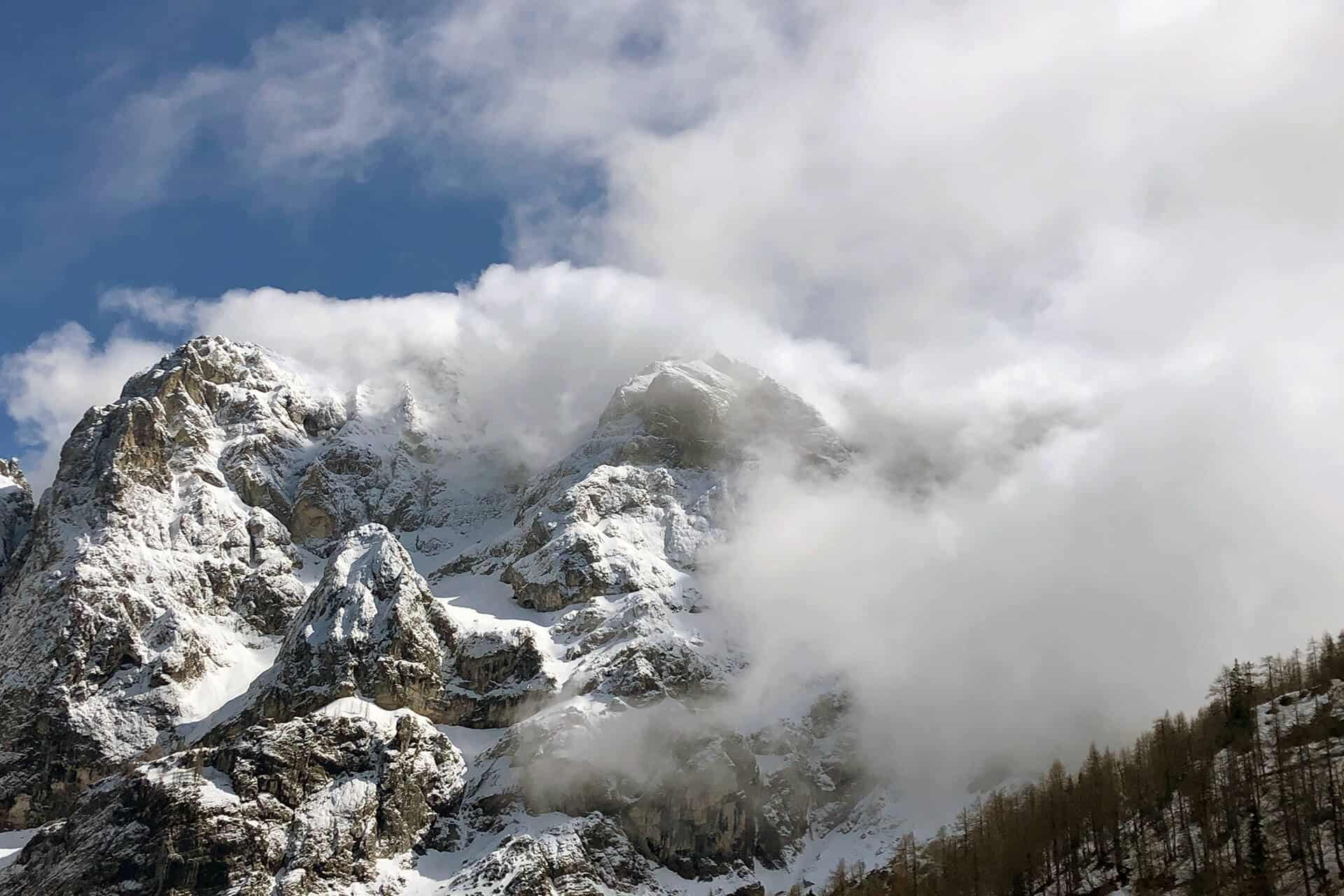
We are located in the heart of Triglav National Park
Book a stay in the iconic, first-built mountain hut on the Vršič Pass

Erjavčeva mountain hut is open year-round. Reserve your stay and spend some time in the natural paradise of Triglav National Park (UNESCO), near Kranjska Gora, on the Vršič mountain pass in the heart of the park.
Reserve your stayRelated mountain and travel guides
Choose the next verified guide for planning routes, parking, overnight stays and places near Vršič Pass.
- Is there anywhere I can park? — travel guide
- Snow on Vršič on May 12 – Why Mountain Weather Changes So Quickly — travel guide
- Stay longer in Slovenia — travel guide
- 10 Things to Do in Kranjska Gora and Around — travel guide
- Tamar valley — travel guide
- High mountain lakes — travel guide
Plan your visit from Erjavčeva koča
Useful guides, practical information and accommodation options for Vršič Pass, Triglav National Park and the Julian Alps.
Book your stay at Erjavčeva koča
Ready to stay on Vršič Pass? Check the verified accommodation page and reserve directly with the hut.
Road, parking and arrival FAQ
Use these answers before relying on a route, booking time or parking plan.
Is this a live Vršič road status?
No. The site can guide you to access information, but current road conditions should be checked before departure.
What should I plan before driving up?
Plan the approach, parking, arrival time and a backup option for mountain weather or seasonal traffic.
Can I use the hut as a base for nearby routes?
Yes, but match your route, daylight and return plan before you start.
Where should I go next on the site?
Use the verified access, parking or accommodation links shown on this page.