


 Slovenščina
 Bosanski
 Hrvatski
 Čeština
 Dansk
Dansk Dutch
Dutch Suomi
Suomi Français
 Deutsch
 Magyar
 Italiano
 Polski
 српски
 Slovenčina
 Español
 Svenska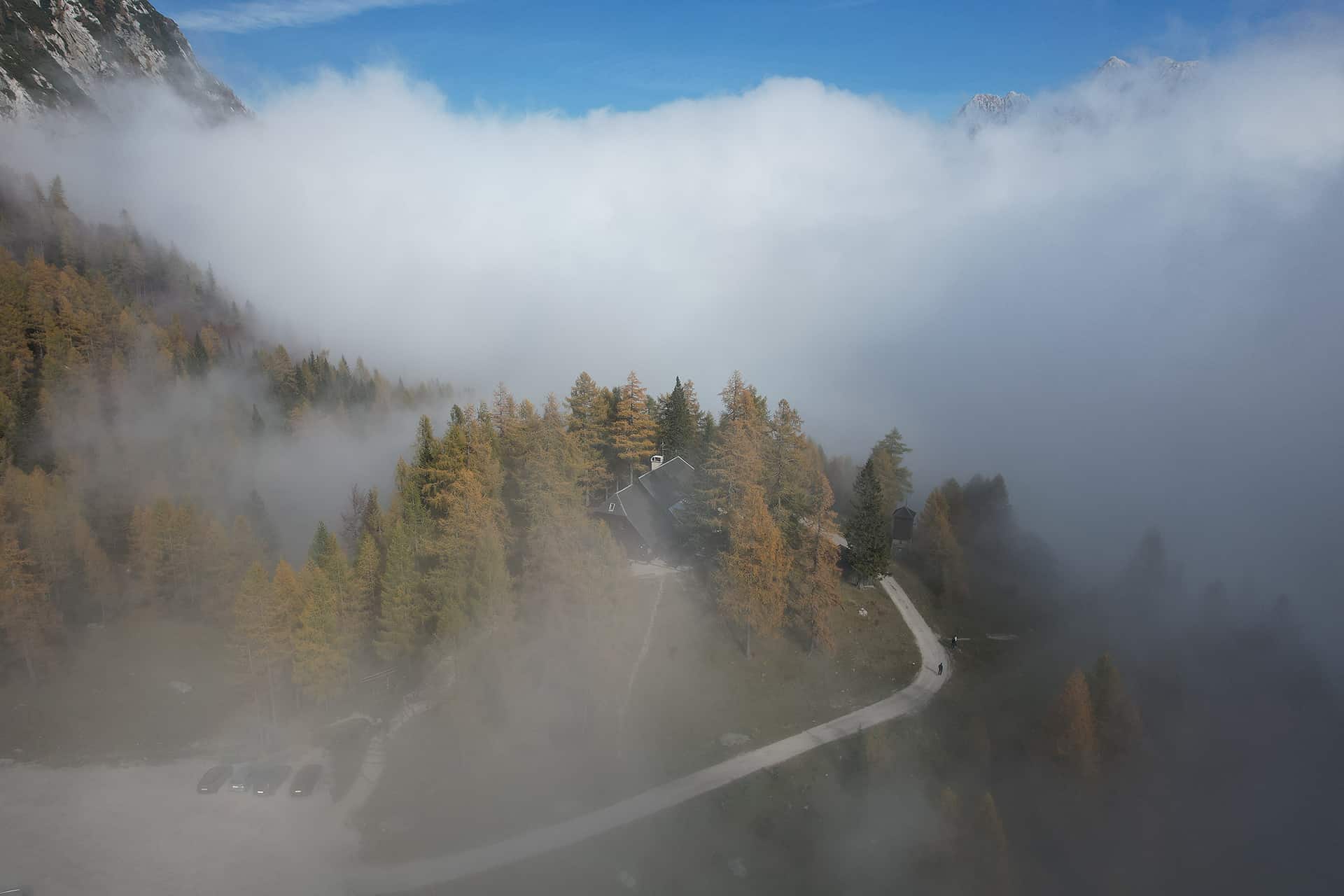
On this page
Jump to the most useful sections of this guide.
- Summer visit: parking, hiking and rooms
- How to properly prepare for a winter trip to the mountains
- Winter hiking requires preparation, equipment and respect
- 1. Do not go to the mountains alone in winter
- 2. Use proper winter mountain equipment
- 3. Check avalanche equipment before every tour
- 4. Practise using crampons and an ice axe
- 5. Choose a route suitable for your ability
- 6. Start early and respect the short winter day
- 7. Check if mountain huts are open
- 8. Follow the weather forecast for several days
- 9. Check snow conditions and avalanche danger
Quick summary
The most useful points from this guide before you continue.
Stay on Vršič Pass
Stay at Erjavčeva koča on Vršič Pass
Erjavčeva koča is a mountain hut at Vršič Pass, between Kranjska Gora, Trenta, the Soča Valley and the Julian Alps. It is a practical base for hikers, road-trippers, cyclists and guests who want to stay close to the mountain pass.
- Direct location on the Vršič Pass road
- Good base for hiking, scenic drives and Julian Alps day trips
- Useful for guests visiting Kranjska Gora, Trenta, Soča Valley and Triglav National Park
- Food, mountain-hut atmosphere and practical local information in one place
This block is designed for independent guests and self-service booking. It does not imply a price guarantee or live availability.
Before you book your stay
Vršič Pass is a high mountain location, so it is worth checking a few practical details before you travel. This helps you plan your arrival, parking, hiking day and overnight stay more easily.
Access and road conditions
The Vršič road can be affected by season, weather and traffic. Before travelling, check current access information and plan enough time for the mountain road.
Parking
Parking rules and availability around Vršič can change by season and operator. Check the latest parking information before arrival, especially in busy periods.
Rooms and overnight stay
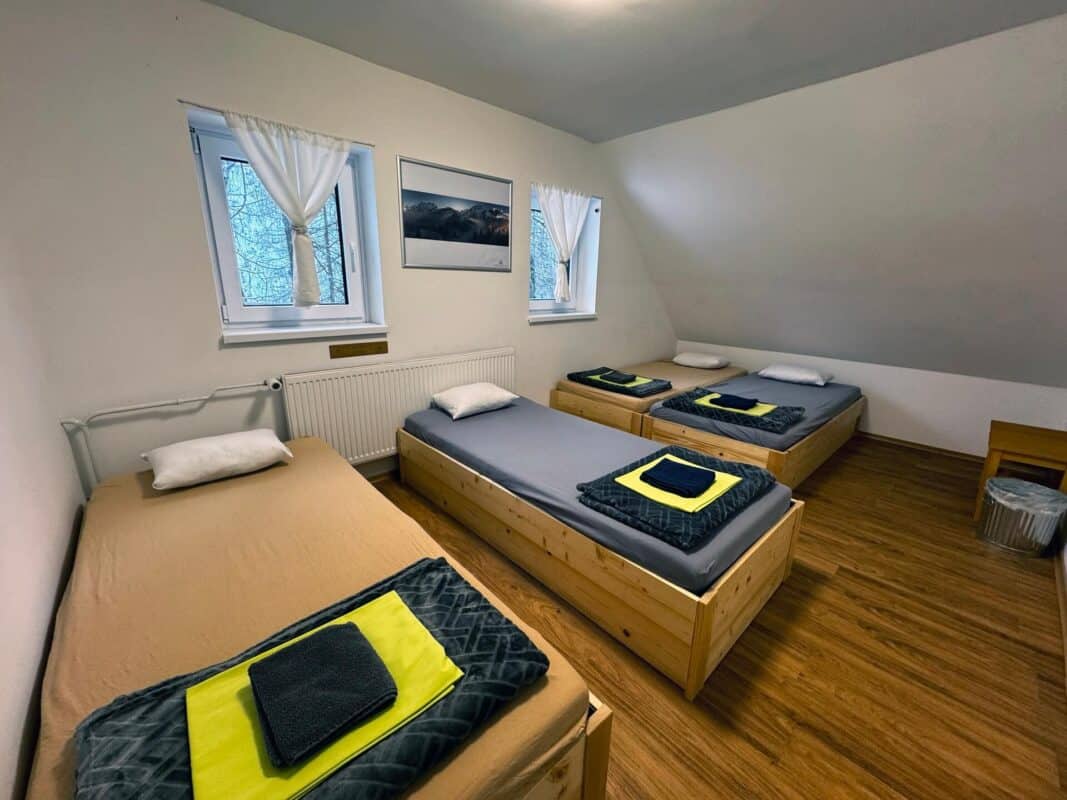
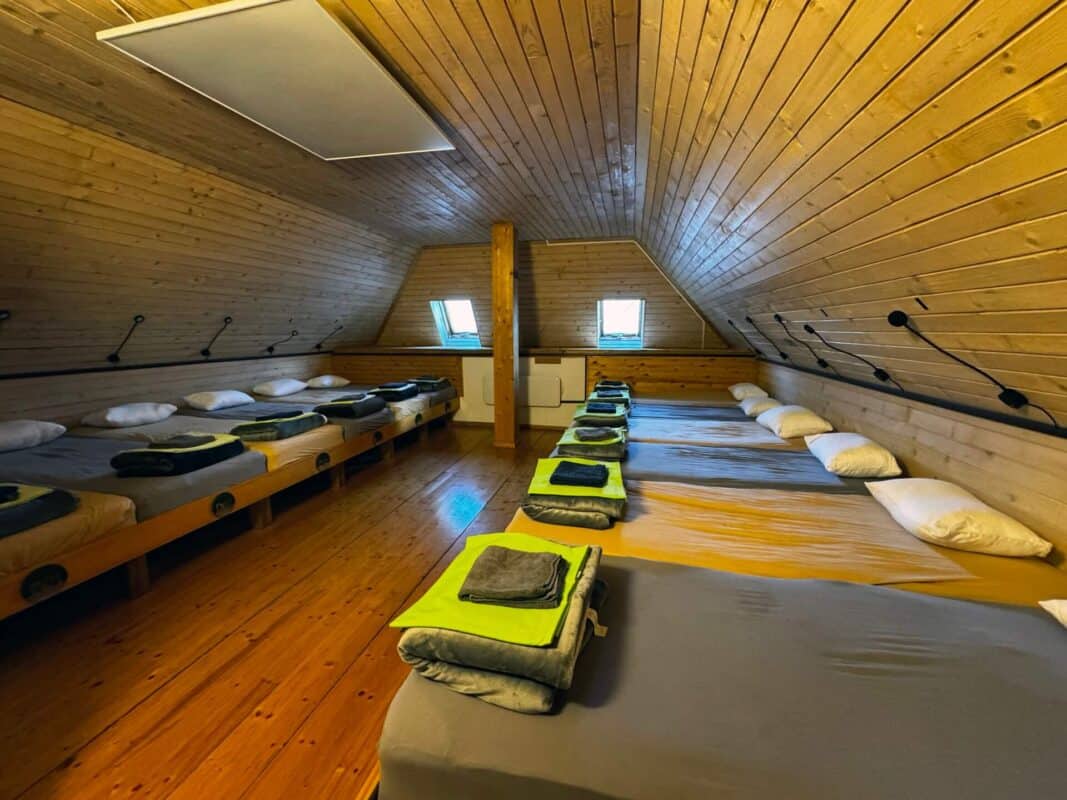
If you plan to stay overnight, check room availability in advance. This is especially important during the hiking season, weekends and good-weather periods.
Food, opening hours and groups
Opening times may vary outside the main summer season or by arrangement with groups. Contact the hut directly for the latest information before making fixed plans.
Self-service planning for your stay at Vršič Pass
- Check room and availability options first.
- Read access, parking and arrival notes before travelling.
- Arrive with your own plan for Vršič, Kranjska Gora, Trenta and the Soča Valley.
- Use contact only for special cases, not for information already explained on the page.
A trusted mountain hut at Vršič Pass
Erjavčeva koča has been part of the Vršič mountain pass experience for generations. Guests use it as a practical alpine base for hiking, cycling, scenic drives, visits to Kranjska Gora and trips toward Trenta and the Soča Valley.
Ready to stay on Vršič Pass? Check the verified accommodation page and reserve directly with the hut.
Erjavčeva koča is a mountain hut at 1525 m, not a hotel or hostel. Come for nature, simple shelter and the rhythm of the mountains.
- ✓Direct access to Vršič, trails and Triglav National Park
- ✓Quiet evenings, early starts and weather-dependent mountain life
- ✓Food, shelter and practical help from the hut team
- ✓Unspoiled nature, mountain views and fresh alpine air
- ×Perfect silence during busy mountain days
- ×A valley resort experience
- ×Luxury hotel rooms or city-hotel services
- ×Hostel-style nightlife or loud late evenings
Before you book your stay at Vršič Pass
Use the booking information on this page to decide independently. Booking platforms can help with comparison, but your reservation should be clear before you travel. Contact is only for special cases.
Direct booking is best for
- Checking rooms and availability
- Reading access, parking and arrival details
- Booking when your dates and plan are clear
- Special questions only for groups, late arrival or winter conditions
Booking platforms are useful for
- Comparing accommodation options
- Reading platform-specific reviews
- Managing platform bookings in one account
- Using platform filters and policies
No price guarantee is implied. This block encourages self-service planning and reduces unnecessary calls or emails.
What happens after you check availability?
Checking availability is the first booking step, not a request for personal travel planning. Read the arrival, access and parking information before you book. Contact is only for special cases.
- Choose the room or stay option that fits your plan.
- Complete the booking request with your travel date and arrival plan.
- Before travelling, read the access, parking and seasonal notes; use contact only for groups, late arrival or winter conditions.
CTA clicks are measured as intent signals. This block is designed for self-service reservations and to reduce unnecessary calls or emails.
Summer visit: parking, hiking and rooms
In summer, Vrsic is busy with hikers, cyclists and scenic-road visitors. Plan arrival time, parking, weather protection and overnight questions before you leave.
- Arrive early when parking demand is high.
- Check weather before longer hikes.
- For overnight stays, contact the hut directly before travel.
This block is a practical planning reminder, not a live availability statement.
This guide is prepared from the perspective of Erjavčeva koča, a mountain hut on Vršič Pass. Use it together with current weather, road conditions and responsible behaviour in Triglav National Park.
How to properly prepare for a winter trip to the mountains
Winter hiking requires preparation, equipment and respect
Winter in the mountains can be beautiful, peaceful and unforgettable, but it can also be demanding, dangerous and unpredictable. Before going to the mountains in winter, you must be properly prepared, adequately equipped and able to use your equipment correctly.
According to winter mountain safety recommendations, visitors should choose routes responsibly, check the weather forecast, snow conditions, avalanche danger, daylight hours, equipment, physical condition and the availability of mountain huts before starting a winter trip.
1. Do not go to the mountains alone in winter
Never go to the mountains alone in winter. Winter conditions can change quickly, and in case of injury, exhaustion, bad weather, fog, snow, ice or avalanche danger, having a companion can be essential.
2. Use proper winter mountain equipment
Go to the mountains only with proper winter equipment and learn how to use it before the trip. Winter mountain equipment may include winter hiking boots, crampons, an ice axe, helmet, warm clothing, gloves, hat, headlamp, map, first-aid kit, food, water and a charged phone.
For higher mountains or avalanche terrain, you should also carry and know how to use avalanche safety equipment: avalanche transceiver, avalanche probe and aluminium shovel.
3. Check avalanche equipment before every tour
Before every winter tour, check the condition and operation of your avalanche transceiver. Replace batteries when needed and use the device consistently. Avalanche equipment is useful only if every person in the group carries it and knows how to use it.
4. Practise using crampons and an ice axe
Before the winter season, practise walking with crampons, correct use of an ice axe and self-arrest with an ice axe on a safe slope. Equipment that you do not know how to use can become dangerous instead of helpful.
5. Choose a route suitable for your ability
Choose routes that match your experience, equipment, physical condition and confidence in winter terrain. Always adapt the plan to the weakest participant in the group.
Do not underestimate winter mountains. A route that feels easy in summer can become much harder in snow, ice, wind, fog or poor visibility.
6. Start early and respect the short winter day
When planning a winter hike, remember that the day is shorter. Start early enough and allow extra time for slower movement in snow and ice. In winter, the same route can take much longer than in summer.
7. Check if mountain huts are open
Before your trip, check the availability of mountain huts. Many high-altitude and mid-mountain huts are closed in winter.
Erjavčeva koča mountain hut at Vršič Pass is open all year round. We are a safe and reliable mountain post for hikers, travellers, mountaineers and visitors who need rest, food, accommodation, information or help in winter conditions.
8. Follow the weather forecast for several days
Monitor the weather forecast for several days before your winter trip. Pay attention to snowfall, wind, temperature, visibility, storms, freezing conditions and sudden weather changes.
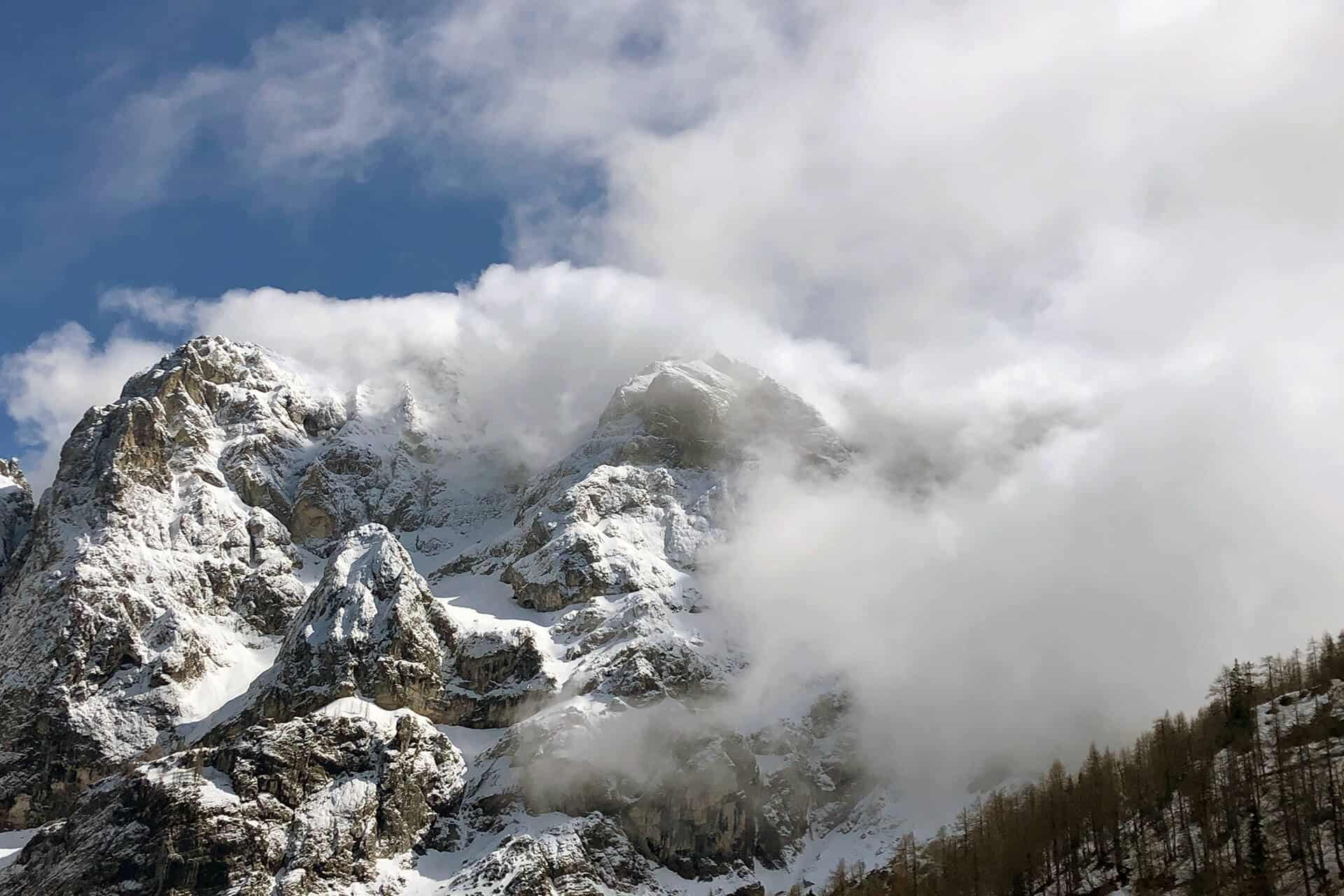
Weather in the Julian Alps and around Vršič Pass can change quickly. A sunny morning can turn into fog, wind, snow or dangerous conditions later in the day.
9. Check snow conditions and avalanche danger
Before starting your trip, check the snow conditions, snow depth, snow stability and avalanche danger for the area you are visiting.
After heavy snowfall, strong wind, rain on snow or a sudden thaw, avalanche danger can increase significantly. In such conditions, it may be safer to postpone the trip. Turning back or changing plans is always better than taking unnecessary risks.
10. Tell someone about your plan
Before leaving, tell your family, friends or accommodation provider where you are going, which route you plan to take and when you expect to return.
This simple habit can help in case of delay, injury, bad weather or an emergency in the mountains.
Winter conditions at Vršič Pass
Erjavčeva koča is located at Vršič Pass, 1,525 meters above sea level, in Triglav National Park and the Julian Alps. In winter, snow, ice, wind, fog, avalanche danger and road closures can affect access to the hut and the surrounding trails.
If the Vršič road is closed because of snow or avalanche danger, visitors may need to walk from the valley, depending on conditions and their own ability. This should never be underestimated. Proper winter equipment, experience and good judgement are essential.
Erjavčeva koča is open throughout the year and also serves as a safe mountain post where visitors can ask for information or help in difficult conditions. However, every visitor is responsible for choosing a safe route and making responsible decisions before and during the trip.
Simple winter mountain rule
Go to the mountains in winter only if you are properly prepared, properly equipped and able to use your equipment.
Check the weather, snow conditions, avalanche danger, road access, daylight, open huts and your own ability before you start.
The mountains are beautiful, but in winter they demand respect, knowledge and responsible decisions.
Explore Vršič, the Julian Alps & Soča Valley
Top guides, hikes and travel tips in Slovenia
Vršič Pass Travel GuideBest hikes in the Julian Alps
Kranjska Gora Travel Guide
Soča River and Soča Valley Travel Guide
Triglav National Park Travel Guide
Where to Stay?
Why visit a mountain hut?
Trips and Hikes around the hut



Why visit Moutain hut?
We are open year-round
We are located in the heart of Triglav National Park
Book a stay in the iconic, first-built mountain hut on the Vršič Pass

Erjavčeva mountain hut is open year-round. Reserve your stay and spend some time in the natural paradise of Triglav National Park (UNESCO), near Kranjska Gora, on the Vršič mountain pass in the heart of the park.
Reserve your stayRelated mountain and travel guides
Choose the next verified guide for planning routes, parking, overnight stays and places near Vršič Pass.
- Snow on Vršič on May 12 – Why Mountain Weather Changes So Quickly — travel guide
- Stay longer in Slovenia — travel guide
- Accommodation in Mountain hut Vršič Kranjska Gora Slovenia — travel guide
- Hanzova pot on Prisojnik — travel guide
- Running spectacle in the Julian Alps — travel guide
- 10 Things to Do in Kranjska Gora and Around — travel guide
Plan your visit from Erjavčeva koča
Useful guides, practical information and accommodation options for Vršič Pass, Triglav National Park and the Julian Alps.
Book your stay at Erjavčeva koča
Ready to stay on Vršič Pass? Check the verified accommodation page and reserve directly with the hut.
Road, parking and arrival FAQ
Use these answers before relying on a route, booking time or parking plan.
Is this a live Vršič road status?
No. The site can guide you to access information, but current road conditions should be checked before departure.
What should I plan before driving up?
Plan the approach, parking, arrival time and a backup option for mountain weather or seasonal traffic.
Can I use the hut as a base for nearby routes?
Yes, but match your route, daylight and return plan before you start.
Where should I go next on the site?
Use the verified access, parking or accommodation links shown on this page.