← Erjavčeva koča

Travel planning

The Slovenian Mountain Trail

The Slovenian Mountain Trail

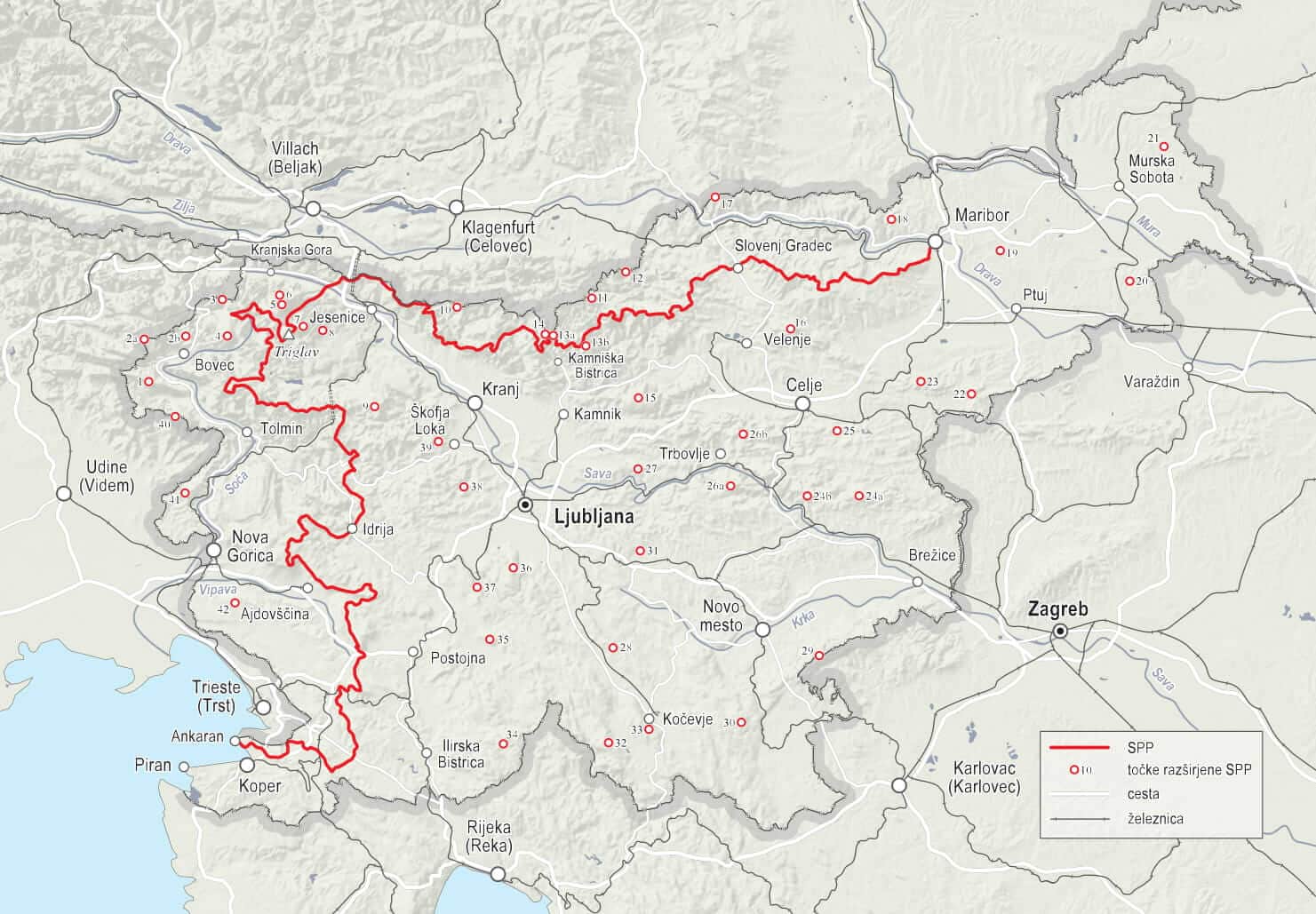
The Slovenian Mountain Trail, known in Slovenian as Slovenska planinska pot, is the most important long-distance mountain trail in Slovenia and one of the great classic hiking routes of the European Alps. Opened in 1953 and created from the idea of Ivan Šumljak, the trail connects the country from Maribor in the east to the Adriatic coast at Debeli rtič near Ankaran. Along the way, it crosses Pohorje, the Kamnik-Savinja Alps, the Karawanks, the Julian Alps, the pre-Alpine hills and the Karst, linking mountain huts, summits, valleys, forests, villages and historic landscapes into one continuous Slovenian mountain story. Marked with the traditional Knafelc blaze and the number 1, the trail represents the heart of Slovenian hiking culture, mountaineering tradition and the strong connection between people, mountains and mountain huts.

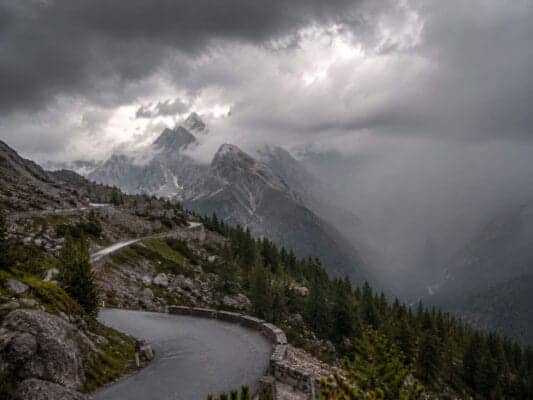
Slovenian Mountain Trail guide

Slovenian Mountain Trail guide

Use this guide to plan Slovenian Mountain Trail guide from Erjavčeva koča with practical next steps for access, parking, weather checks, rooms and nearby places.

Use it to decide what to check before you travel: road access, parking, walking time, room availability, live cameras and whether an overnight stay at the hut makes sense.

Before you go

Access and road conditions

Vršič is a mountain pass. Road, weather and traffic conditions can change, so check current information before driving.

Parking

Parking near the pass can vary by season and operator. Plan extra time in busy periods.

Rooms and overnight stay

If you want to stay overnight, check room availability early, especially during hiking season, weekends and good-weather periods.

Food, opening hours and groups

Opening times and arrangements can vary outside the main season. Groups and special arrivals should check directly with the hut.

Find Erjavčeva Hut on the map

Open in Google Maps

Verified guide links

Next practical step: Start with the most relevant guide, then check access and booking options before travelling.

Practical FAQ

What should I check first?

Check road access, parking, weather and whether your visit is a day trip or an overnight stay.

Is this a live road-status page?

No. It is a planning guide with links to practical pages and the next useful step.

Where should I go next?

Use the verified links for access, parking, live cameras, accommodation and nearby places.

Trips and Hikes around the hut

Why visit Moutain hut?

We are open year-round

We are located in the heart of Triglav National Park

Book a stay in the iconic, first-built mountain hut on the Vršič Pass

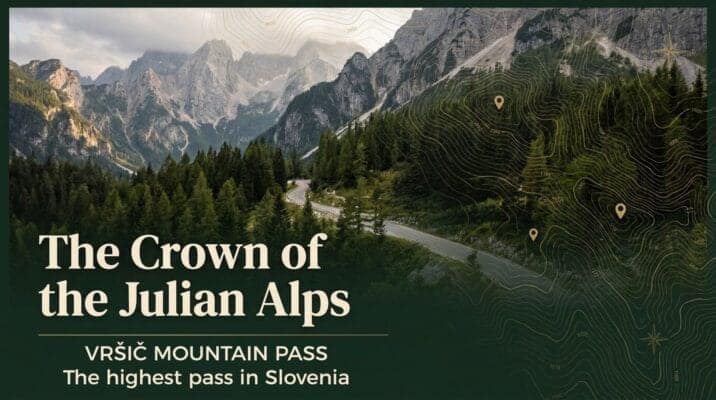
Erjavceva mountain hut at Vrsic pass in summer

Erjavčeva mountain hut is open year-round. Reserve your stay and spend some time in the natural paradise of Triglav National Park (UNESCO), near Kranjska Gora, on the Vršič mountain pass in the heart of the park.

Reserve your stay

Travel guide

The Slovenian Mountain Trail

The importance of the Slovenian Mountain Trail lies not only in its length, but in the way it brings together the full diversity of Slovenia’s landscapes, from the green hills of Pohorje to the high peaks of the Julian Alps and finally the Adriatic Sea. Slovenia’s official tourism description presents it as a journey of about 600 kilometres from Maribor to Ankaran, while newer guide data commonly describe the full route as approximately 617 kilometres, depending on the exact variant and measurement method. :contentReference[oaicite:1]{index=1} For hikers in the Julian Alps, the trail is especially meaningful because it passes through the country’s highest and most symbolic mountain world, including Triglav National Park and the wider area around Vršič Pass. From Erjavčeva mountain hut on Vršič Pass, visitors can connect with the spirit of the Slovenian Mountain Trail by exploring nearby marked routes, classic mountain viewpoints, historic mountain huts and the authentic alpine landscape that has shaped Slovenian mountaineering for generations.

The Slovenian Mountain Trail